Let's Talk About It: The Life-Saving Health Tests Every 40 Year Old Man Should Have

If you're a man over 40, you're entering the age where the silent health issues start to creep in - but don’t panic. Most of these risks are preventable, trackable, and manageable. With at-home testing, you can dodge the GP queue and stay in control. This guide outlines the most important health tests for men over 40, even if you hate going to the doctor.
A guide for blokes who'd rather talk about the footie than their testosterone levels.
Let’s be honest. Most men would rather debate VAR decisions than discuss their prostate. But here’s the inconvenient truth: just because you feel fine, doesn’t mean everything is fine.
If you're over 40 and still treating your body like a rental car, it might be time for a pit stop. And no, this isn’t about turning you into a wellness wanker who drinks celery juice at sunrise. It’s about giving a toss about the engine under your bonnet—because ignoring the warning lights won’t make them go away.
Here’s what every man needs to know (and test for) before hitting the next stage of life like a champ.
What are the most important health tests for men over 40?
Answer: Testosterone, cholesterol, prostate cancer risk, HbA1c, cortisol, and liver function tests are the key checks men over 40 should have annually.
The Hormone Shift: Testosterone & The Midlife Dip
Testosterone—the hormone that fuels energy, muscle, libido, and confidence - starts to decline gradually after your 30s - around 1% per year (Harman et al., 2001). It’s not just about sex drive, either. Low T can lead to fatigue, brain fog, irritability, low mood, loss of endurance, longer recovery times, and loss of muscle mass. Sound familiar?
What if your levels are low?
Testosterone affects your metabolism, mental sharpness, and even bone strength. Imbalance can increase belly fat, reduce motivation, and knock your confidence harder than a dodgy fantasy football week.
The good news? You can measure it—and yes, from the comfort of your own home.
Why take a testosterone test?
To identify hormone imbalances early and track your levels over time.
What happens if testosterone is too low?
Low testosterone can affect sexual health, energy, mental wellbeing and muscle maintenance. You might notice reduced sex drive, erectile dysfunction, depression, brain fog or a loss of physical strength and endurance.
How to test it: Vitall Testosterone Test Kit
What test checks testosterone levels in men?
Answer: A testosterone blood test checks your body’s level of testosterone, helping identify symptoms like fatigue, low libido, and poor recovery.
The Silent Killers: Cholesterol, Blood Pressure & Inflammation
You can’t feel high cholesterol. Or creeping inflammation. Or that your blood pressure’s quietly doing the Macarena on your arteries.
High cholesterol can clog your arteries without any noticeable symptoms. That’s why they’re called silent killers—by the time symptoms show, damage may already be done. Left unchecked, these can lead to heart attacks, strokes, and other party-ending surprises. It's a leading cause of heart disease in UK men (British Heart Foundation, 2024).
Why take a cholesterol test?
To understand your risk of cardiovascular disease and monitor LDL/HDL ratios.
What happens if cholesterol is too high?
If your cholesterol’s high, fatty deposits build up in your blood vessels, reducing blood flow and raising heart attack risk. High blood pressure silently strains your heart and kidneys, and chronic inflammation? It’s like having a slow burn inside your body, linked to everything from diabetes to depression.
Excess LDL cholesterol builds up on artery walls, causing atherosclerosis. This narrows the arteries, restricting blood flow to the heart and brain — significantly increasing the risk of heart attack or stroke. You won’t feel it happening until it’s too late.
Recommended test: Cholesterol & hs-CRP Home Test Kit
What are the early signs of high cholesterol?
Answer: Most people with high cholesterol have no symptoms — that’s why regular cholesterol testing is essential.
Prostate Health: Not Just an Old Man’s Problem
Let’s clear this up: prostate issues aren’t just for blokes with grey chest hair. Prostate cancer is the most common cancer in UK men - affecting over 52,000 men each year - and genetic risk is a massive factor, even if you’re symptom-free and in decent nick.
Most traditional checks (like PSA tests) can give false positives or miss higher-risk individuals altogether. That’s where Polygenic Risk Score (PRS) testing comes in—a game-changer that looks at your DNA to predict your lifelong risk with 72% greater accuracy (Conti et al., 2021).
Why does this matter?
If your risk is elevated, you can take steps now—from lifestyle changes to earlier screening and surveillance.
Why take a prostate cancer PRS test?
Early risk detection can lead to life-saving monitoring and prevention.
What happens if you’re at high risk?
You may not have cancer now, but a high PRS score means you’re significantly more likely to develop it. With this knowledge, your test results may recommend regular screening, MRI scans, or proactive lifestyle changes — well before symptoms develop.
Recommended product: Vitall Prostate Cancer Risk Test
What is the best test for prostate cancer risk?
Answer: A Prostate Cancer PRS test uses genetic analysis to assess lifetime risk with 72% higher accuracy than PSA tests and no false positives. PLUS our test provides you with a prevention plan including screening advice, lifestyle changes, along with suggestion for diet and nutrition.
Mental Health is Physical Health: Cortisol, Stress & Burnout
Mental health isn’t just “in your head”—it’s in your hormones. Chronic stress jacks up cortisol, the body’s fight-or-flight hormone, and when it stays high for too long, it starts to wreak havoc.
High cortisol levels are linked to weight gain (especially around the belly), sleep issues, weakened immune system, low mood, high blood pressure, and even reduced testosterone (McEwen, 2007)
What happens if you don’t deal with it?
Unchecked stress affects everything—your immune system, libido, energy, gut health, and even how your body handles sugar. You could be one bad Monday away from total burnout.
Why take a cortisol test?
It helps identify chronic stress or adrenal fatigue.
What happens if cortisol is too high or too low?
If cortisol is consistently elevated, it can lead to anxiety, high blood pressure, poor sleep, and abdominal weight gain. If it’s too low, you may feel extreme fatigue, weakness, low blood sugar, and even risk adrenal insufficiency.
Recommended product: Vitall Cortisol & Stress Test
How do you test for cortisol levels?
Answer: A blood test can be used to measure cortisol levels to assess stress and adrenal function.
HbA1c & Diabetes Risk Screening
Type 2 diabetes is rising rapidly among men over 40. Many live with it for years before diagnosis (Diabetes UK, 2024).
Why take a HbA1c test?
To track blood sugar levels over time and catch insulin resistance early.
What happens if HbA1c is too high?
Chronically high HbA1c means your body isn’t managing glucose properly. This increases the risk of nerve damage, vision loss, kidney disease, and cardiovascular issues. Early symptoms include frequent urination, thirst, tiredness, and blurred vision.
Recommended product: Vitall Diabetes (HbA1c) Home Test Kit
What is the HbA1c test used for?
Answer: It measures average blood glucose over the past 3 months and is used to detect pre-diabetes and diabetes.
Liver Function Test (Especially If You Drink Alcohol)
You don’t have to be a heavy drinker to develop liver inflammation or early fatty liver disease.
Why take a liver test?
To detect liver damage before symptoms appear.
What happens if your liver isn’t functioning properly?
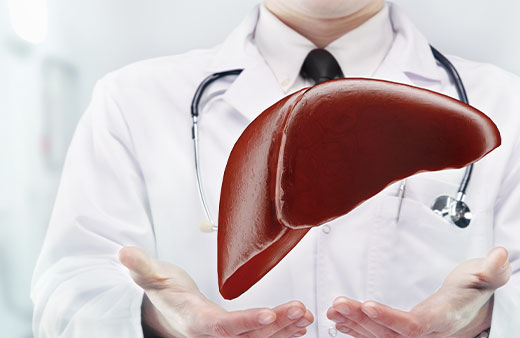
The liver processes toxins, regulates hormones, and supports digestion. If it's under stress, you may experience fatigue, brain fog, jaundice (yellow skin/eyes), swelling in the legs, or dark urine. Long-term damage can lead to cirrhosis or liver failure.
Recommended product: Vitall Liver Function Test
What does a liver function test detect?
Answer: It checks enzymes and proteins to assess liver health and detect conditions like fatty liver disease or hepatitis.
DIY Healthcare: Skip the Awkward Doctor Visits
Let’s face it, not everyone loves waiting rooms, awkward small talk with receptionists, or being told to “just lose a bit of weight” by someone who hasn’t seen a treadmill since 2007.
That’s why at-home testing exists—zero faff, full control. No embarrassment. No long waits. Just real results you can act on, fast.
You collect your sample (saliva or finger-prick), post it off in prepaid packaging, and get secure, personalised results online—often within 24 hours.
✅ Start with a full body MOT with our Male Total Health Check – 35+ biomarkers tested
Real Men Check Themselves
There’s no glory in toughing it out or pretending nothing’s wrong. Looking after your health doesn’t make you weak - it makes you wise.
So whether you’re doing it for yourself, your partner, your kids, or just to keep beating your mates at five-a-side - check in on the inside stuff.
Because being strong isn’t about bottling things up. It’s about knowing what’s going on, and doing something about it.
Get Yourself Tested With Vitall's Home Test Kits










Scientific review

Ben Starling MSc.
Co-founder & Lead Biochemist - Vitall|Profile
Reviewed on 13/06/2025
Next review due 13/06/2026
Review focus: Blood biomarkers, laboratory testing methodology, and biochemical interpretation.
More Articles in These Categories
Similar Articles
View all articles ›Cholesterol: The Good & The Bad
What Do My Cholesterol Test Results Mean?
Cardiovascular Disease - Know Your Risk
Tax on Unhealthy Foods: A Potential Solution to the Escalating Obesity Epidemic
Unlocking the Secrets of Men's Fitness: It's Not Just About Outdoing Women
Your Health Makeover Starts Here: The Foods That Will Transform You
The Pursuit of Happiness: How Pleasure Hijacks Our Brains and Health
The Silent Killer Affecting 40% of Adults in the UK
Is It Time for Statins? What You Should Know Before Taking Cholesterol-Lowering Drugs
Why Nutritionists Are Obsessed with Flavonoids (You Should Be Too)
References & Citations For Let's Talk About It: The Life-Saving Health Tests Every 40 Year Old Man Should Have
- British Heart Foundation (2024). UK Heart Disease Statistics. Available at: https://www.bhf.org.uk
- Cancer Research UK (2023). Prostate Cancer Statistics. Available at: https://www.cancerresearchuk.org
- Conti, D.V. et al. (2021). Polygenic risk scores for prostate cancer screening. New England Journal of Medicine, 385(24), pp.2243-2254.
- Diabetes UK (2024). Facts & Stats. Available at: https://www.diabetes.org.uk
- Harman, S.M. et al. (2001). Longitudinal effects of aging on serum total and free testosterone levels in healthy men. Journal of Clinical Endocrinology & Metabolism, 86(2), pp.724-731.
- McEwen, B.S. (2007). Physiology and neurobiology of stress and adaptation: central role of the brain. Physiological Reviews, 87(3), pp.873-904.
