The Pursuit of Happiness: How Pleasure Hijacks Our Brains and Health

Understanding how our brain processes these experiences and how our dietary choices influence them is key to leading a healthier life. In this article, we will explore the neuroscience of happiness and pleasure, the impacts of sugar and fat on brain and body function, and how to recalibrate your brain to seek healthier alternatives.
In today’s fast-paced world, the distinction between happiness and pleasure is often blurred. We are bombarded with messages urging us to seek immediate gratification—whether through food, technology, or consumerism. However, happiness and pleasure are neurologically distinct, and combining the two can have significant consequences for our health.
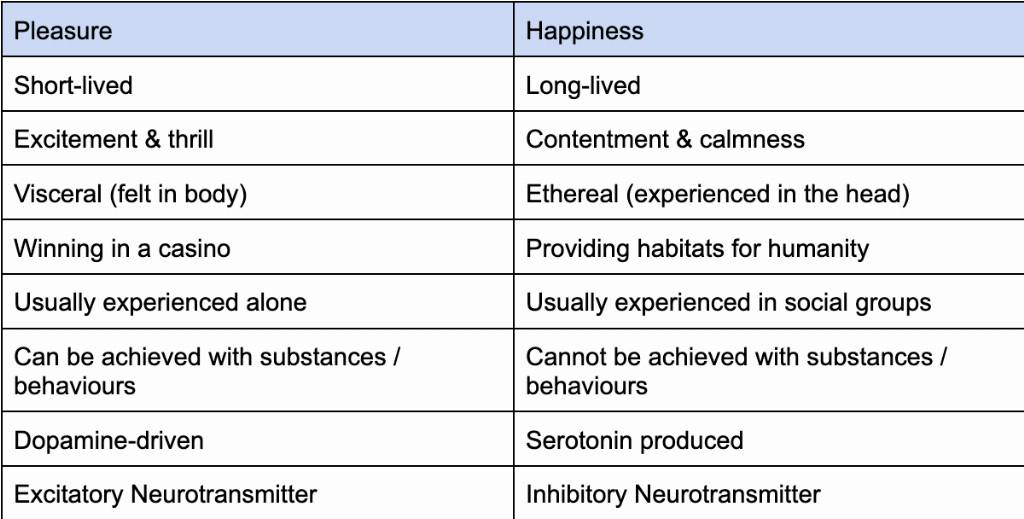
Happiness vs Pleasure: A Neurological Divide
When dopamine is released in the brain's reward centre, known as the nucleus accumbens, it creates the sensation of reward. This is a physical structure in the brain, visible on imaging scans. When dopamine binds to its receptors, it triggers feelings of pleasure and satisfaction – the reward that motivates you to get out of bed in the morning. Without this reward system, life would feel empty and purposeless; it is essential for survival. However, an excess of reward can become problematic because dopamine is an excitatory neurotransmitter, which means it causes neurons to fire repeatedly. If overstimulated for too long, the neurons can become damaged and die, as neurons prefer gentle stimulation rather than constant bombardment (Nestler, 2005; Volkow et al., 2011; Koob & Volkow, 2016).
When neurons are chronically overstimulated, they have a built-in defence mechanism. The postsynaptic neuron, which has the dopamine receptors, responds by down-regulating, or reducing, the number of available receptors. This means that, even with more dopamine present, there are fewer receptors for it to bind to. As a result, the sensation of reward diminishes – a phenomenon known as tolerance, which is observed in addiction and dependence (Koob & Volkow, 2016).
Tolerance is one half of addiction. As the neurons become overworked and begin to die off, the cycle of addiction intensifies. This process is driven by dopamine, and it doesn’t matter what triggers the release – whether it's drugs, gambling, or even food – in extreme cases, the effect is the same: addiction.
Serotonin, on the other hand, works differently. Unlike dopamine, it doesn’t cause neurons to overfire because it’s an inhibitory neurotransmitter. Instead of exciting neurons, serotonin calms them, encouraging rest and recovery. This means you can’t become "addicted" to happiness, as serotonin doesn’t overstimulate the brain (Young, 2007). However, dopamine can interfere with serotonin’s effects. The more you chase pleasure, the more dopamine floods the brain, which in turn suppresses serotonin – leading to a decrease in overall happiness (Rada et al., 2005). In short, the more pleasure you seek, the less happiness you experience.
Neurologically, the pathways for pleasure and happiness are entirely different, and one of the ways we've been hijacked is through what we eat. Our modern diets are often designed to overstimulate the dopamine pathway, making us crave more and more of those instant rewards, while inadvertently dampening our capacity for lasting contentment (Koob & Volkow, 2016).
Sugar, Fats and All Things ‘Nice’
From a systemic health perspective, one of the most harmful components in our diet is trans fats.
What Are Trans Fats?
A trans fat is a type of fat with a chemical structure that includes a flipped double bond. Normally, unsaturated fats—like those found in olive oil, canola oil, and rapeseed oil—contain a double bond between carbon atoms, but in one consistent direction. In trans fats, however, this double bond is oriented in the opposite direction, which changes its behaviour inside the body. Here's an example to illustrate the difference (insert diagram).
How Are Trans Fats Created?
One of the ways to produce trans fat is through the application of heat. If you heat an oil like olive oil to a high enough temperature, the double bond can flip, turning the healthy fat into a trans fat. This means it’s possible to create trans fats at home if you overheat certain oils.
But the real issue comes from the food industry. Since the 1920s, trans fats have been used in baked goods and processed foods to stabilise them and increase shelf life. The long-term impact of these fats, however, is far from benign (Kummerow, 2009).
Why Are Trans Fats So Bad for You?
On a molecular level, the flipped double bond in a trans fat significantly affects how your body processes the fat. The altered structure is more rigid, which leads to blockages in arteries and increases your LDL (bad cholesterol), while lowering your HDL (good cholesterol). Over time, this can cause serious cardiovascular issues, increasing the risk of heart disease, stroke, and even death (Willett et al., 1993).
The Role of Diet: Glucose and Fructose
The relationship between diet and brain function is a key area of interest in neuroscience and nutrition. Glucose is essential for brain function, as it serves as the primary energy source for neurons. Inadequate glucose levels can lead to cognitive impairment, fatigue, and mood instability. However, not all sugars are beneficial, and this is where fructose comes into play.
Fructose, found in sugary drinks and processed foods, is metabolised differently to glucose. While glucose is utilised by every cell in the body, fructose is primarily metabolised by the liver. Excessive fructose consumption has been linked to non-alcoholic fatty liver disease (NAFLD), insulin resistance, and increased inflammation (Cao et al., 2007). Over time, this can result in metabolic syndrome, a cluster of conditions that raise the risk of heart disease, stroke, and diabetes.
Fructose-heavy diets impair cognitive function and contribute to mood disorders like depression and anxiety, as it disrupts the brain’s ability to regulate mood and cognition (Cao et al., 2007).
The Hidden Dangers of Processed Foods
A significant portion of modern diets, especially in developed countries, includes excessive amounts of sugar—both glucose and fructose. The food industry has capitalised on the addictive properties of sugar by adding it to nearly 73% of processed foods, making it difficult for consumers to manage their intake (Public Health England, 2020) and can lead to what some experts call a global sugar overdose.
Overconsumption of sugar causes frequent spikes in insulin, a hormone that regulates blood sugar. Repeated insulin spikes over time result in insulin resistance, where the body’s cells become less responsive to insulin. This condition is a precursor to type 2 diabetes, a metabolic disease with severe implications for both physical and mental health (De la Monte & Wands, 2008). Insulin resistance also affects the brain, leading to impaired neuroplasticity and increasing the risk of developing Alzheimer’s disease (Pepino et al., 2013).
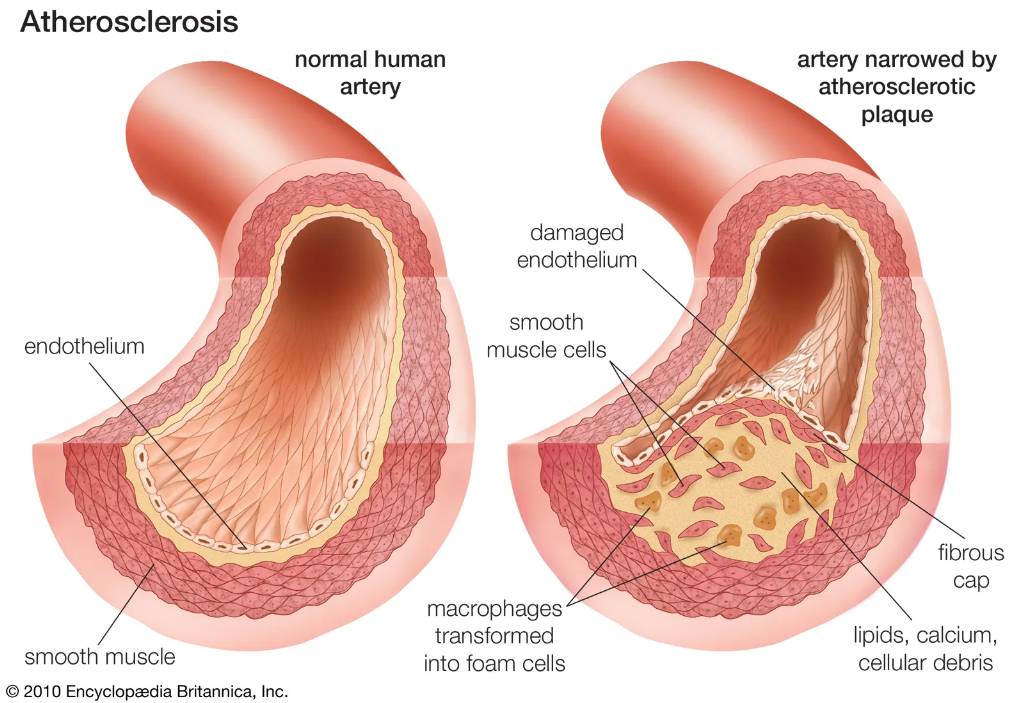
Additionally, frequent consumption of trans fats, found in fried and processed foods, increases inflammation in both the brain and body. Chronic inflammation is strongly linked to neurodegenerative diseases such as Alzheimer’s, as well as mood disorders like depression. Trans fats also impair cardiovascular function, leading to long-term issues like atherosclerosis (the build-up of fats and cholesterol in artery walls), which in turn disrupts blood flow to the brain and other vital organs. In addition, trans fats are associated with an increased risk of type II (adult-onset) diabetes mellitus (Rogers, K., 2024)
So How Does Pleasure Really Hijack Our Health?
When we bite into fatty foods, especially the highly processed variety, our brains don’t just register flavour; they initiate a complex biochemical cascade linked to feelings of pleasure and reward. Fatty, sugary, and salty foods activate the brain’s “reward” pathways, where neurotransmitters like dopamine come into play. Let’s break down how this works in the body and why it can drive us towards a dependency on these types of foods.
1. The Dopamine-Reward Connection
Fatty foods are more than energy sources. They trigger powerful responses in the brain's reward system, particularly in the mesolimbic pathway, which is primarily responsible for motivation, desire, and pleasure. When we eat fatty or high-sugar foods, the brain releases dopamine—a neurotransmitter often dubbed the “feel-good” chemical. Dopamine is involved in motivating us to pursue behaviours we enjoy, and it's the same chemical released during activities we consider pleasurable, such as socialising or exercise (Volkow et al., 2012).
Importantly, dopamine isn’t just about pleasure; it’s about the anticipation of pleasure. When the brain remembers how enjoyable a certain food was, it releases dopamine even before we’ve had another bite, pushing us towards the food and strengthening the “need” to repeat that experience (Small et al., 2003).
2. How High-Fat Foods Hijack This System
Humans have evolved to seek out calorie-dense foods to survive, but modern high-fat foods (think burgers, crisps, and desserts) are engineered to be super-stimulating. They far exceed the natural fat and sugar concentrations our ancestors encountered, so they stimulate dopamine release at unusually high levels (Kenny, 2011). This stimulation essentially “hacks” our natural reward system, leading the brain to prioritise these foods above others, even when they don’t meet our nutritional needs.
This cycle of high dopamine release followed by a dip can lead to a reinforcement cycle—where the only way to “re-up” dopamine is to consume more high-fat foods, which increases the risk of habit formation or even addiction (Gearhardt et al., 2011).
3. Adaptation and the Tolerance Effect
Over time, repeated exposure to high-fat, high-sugar foods leads to changes in brain chemistry. The brain may reduce the number of dopamine receptors available, as it tries to balance out the high dopamine levels. This is called “downregulation.” The result? It takes more and more of that fatty food to achieve the same “hit” of pleasure. It’s a concept closely related to drug addiction, where overuse decreases dopamine receptor availability, increasing dependence on the stimulus (Johnson & Kenny, 2010).
4. The Role of Brain Structures in Food Addiction
Neuroimaging studies have shown that in individuals who regularly consume high-fat, high-sugar foods, areas of the brain linked to impulse control—like the prefrontal cortex—become less active (Stice et al., 2008). This is a similar effect seen in drug addiction, where impulse control weakens as the brain becomes increasingly fixated on the reward pathways. Consequently, people may lose the ability to regulate their eating, as their brain's pleasure and reward systems overpower their control mechanisms.
5. The Biological Pull Toward Comfort Foods
Fatty foods also stimulate endorphin release, which can create a soothing sensation, leading to the concept of “comfort eating.” This effect ties to evolutionary mechanisms where fats (and sugars) were not only rare but essential for survival, conditioning the brain to reward consumption of these high-calorie foods (Palmiter, 2007).
6. So, Why Does This Make Us ‘Happy’?
In the short term, fatty foods provide a burst of dopamine, leading to immediate, albeit brief, satisfaction. This pleasure can feel like “happiness,” although it’s fleeting, as the dopamine rush is temporary. For some, this can lead to a repetitive search for that momentary pleasure, even if the long-term effects (such as weight gain or negative health outcomes) diminish overall well-being.
7. Escaping the Cycle
The good news is that our brains can recalibrate. Studies suggest that reducing high-fat, high-sugar foods allows dopamine receptors to gradually return to healthier levels, although this may require time and persistence (Volkow et al., 2012). Regular exercise, balanced nutrition, and even mindfulness can contribute to re-establishing a healthier reward system and reducing reliance on these “quick-fix” foods.
Conclusion
In our modern society, the lines between pleasure and happiness are often blurred, particularly in the context of dietary choices and their impact on our brain and body. While immediate gratification from high-fat or sugar-laden foods might provide a fleeting sense of pleasure, the long-term neurological and metabolic consequences are profound.
The appeal of fatty and sugary foods isn't merely taste; it's a biochemical lure deeply embedded in our survival instincts, now supersized by modern food engineering.
By understanding the science behind dopamine and serotonin, and recognising the dangers of excessive fructose consumption, we can begin to foster sustainable happiness through healthier lifestyle choices.
With Vitall’s at-home health tests, you gain the power to measure and monitor key health markers, empowering you to take a proactive approach to both physical and mental well-being. By investing in your health today, you can enhance your long-term happiness, ensuring a healthier and more fulfilling life.
Get Yourself Tested With Vitall's Home Test Kits






Scientific review

Ben Starling MSc.
Co-founder & Lead Biochemist - Vitall|Profile
Reviewed on 06/11/2024
Next review due 06/11/2025
Review focus: Blood biomarkers, laboratory testing methodology, and biochemical interpretation.
More Articles in This Category
Similar Articles
View all articles ›Cholesterol: The Good & The Bad
What Do My Cholesterol Test Results Mean?
Cardiovascular Disease - Know Your Risk
Tax on Unhealthy Foods: A Potential Solution to the Escalating Obesity Epidemic
Unlocking the Secrets of Men's Fitness: It's Not Just About Outdoing Women
Your Health Makeover Starts Here: The Foods That Will Transform You
The Silent Killer Affecting 40% of Adults in the UK
Is It Time for Statins? What You Should Know Before Taking Cholesterol-Lowering Drugs
Why Nutritionists Are Obsessed with Flavonoids (You Should Be Too)
Debunked: The Myth That Carbs Are Making You Fat
References & Citations For The Pursuit of Happiness: How Pleasure Hijacks Our Brains and Health
- Berger et al., 2009](https://www.ncbi.nlm.nih.gov/pmc/articles/PMC2689636/)
- Rogers, K., 2024. Trans fat. Encyclopaedia Britannica. Available at: https://www.britannica.com/science/trans-fat [Accessed 31 Oct. 2024].
- Cao, D., Lu, H., Lewis, T. L., & Li, L. (2007). Intake of sucrose-sweetened water induces insulin resistance and exacerbates memory deficits and amyloidosis in a transgenic mouse model of Alzheimer disease. Journal of Biological Chemistry, 282(50), 36275–36282. DOI:10.1074/jbc.M703561200.
- De la Monte, S. M., & Wands, J. R. (2008). Alzheimer's disease is type 3 diabetes–evidence reviewed. Journal of Diabetes Science and Technology, 2(6), 1101–1113. DOI:10.1177/193229680800200619.
- Koob, G. F., & Volkow, N. D. (2016). Neurobiology of addiction: A neurocircuitry analysis. The Lancet Psychiatry, 3(8), 760–773. DOI:10.1016/S2215-0366(16)00104-8.
- Kummerow, F. A. (2009). The negative effects of hydrogenated trans fats and what to do about them. Atherosclerosis, 205(2), 458–465. DOI:10.1016/j.atherosclerosis.2009.03.008.
- Lustig, R. H. (2010). Fructose: Metabolic, hedonic, and societal parallels with ethanol. Journal of the American Dietetic Association, 110(9), 1307–1321. DOI:10.1016/j.jada.2010.06
- Gearhardt, A. N., et al. (2011). "The addiction potential of hyperpalatable foods." Current Drug Abuse Reviews, 4(3), 140-145.
- Johnson, P. M., & Kenny, P. J. (2010). "Dopamine D2 receptors in addiction-like reward dysfunction and compulsive eating in obese rats." Nature Neuroscience, 13(5), 635-641.
- Kenny, P. J. (2011). "Reward mechanisms in obesity: new insights and future directions." Neuron, 69(4), 664-679.
- Palmiter, R. D. (2007). "Is dopamine a physiologically relevant mediator of feeding behavior?" Trends in Neurosciences, 30(8), 375-381.
- Small, D. M., et al. (2003). "Dissociation of neural representation of intensity and affective valuation in human gustation." Neuron, 39(4), 701-711.
- Stice, E., et al. (2008). "Relation of obesity to neural activation in response to food stimuli." Biological Psychiatry, 63(7), 638-646.
- Volkow, N. D., et al. (2012). "Obesity and addiction: neurobiological overlaps." Obesity Reviews, 13(1), 2-18.
