
Diabetes (HbA1c) Home Test Kit
Assess average blood sugar levels & risk from Type 2 diabetes

Diabetes (HbA1c) Home Test Kit
Finger-prick blood home test kit, clinic visit or home nurse visit


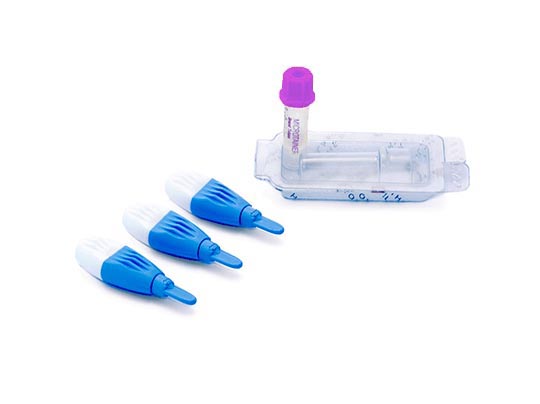
Collect your sample easily from home
Diabetes (HbA1c) Home Test Kit
Finger-prick blood home test kit, clinic visit or home nurse visit



Diabetes (HbA1c) Home Test Kit
Assess average blood sugar levels & risk from Type 2 diabetes
£59.00
Includes FREE delivery!
You can feel well and still have higher blood sugar than you realise. If you have a family history of diabetes, have gained weight around the waist, or simply want a clearer picture of your metabolic health, symptoms alone rarely give you certainty.
This test measures HbA1c (glycated haemoglobin), a clinical marker that reflects your average blood glucose over the past 2 to 3 months. It helps you understand whether your blood sugar control is in a healthy range, or whether you may be at increased risk of Type 2 diabetes.
If you want an objective baseline you can act on and recheck over time, this is a straightforward place to start.
How would you like to take your test?
How would you like to take your test?






What the Diabetes (HbA1c) test is for
You can feel completely fine and still be running higher blood sugar than you realise. That uncertainty is common, especially if you have gained weight around the waist, have a family history of diabetes, or want a clearer view of your metabolic health. This home blood test focuses on HbA1c, also called glycated haemoglobin, a clinically recognised marker that reflects your average blood glucose over the past 2 to 3 months.
Unlike a single glucose reading that can change day to day, HbA1c gives a steadier picture of how your body has been handling sugar over time. Your result can help indicate whether your blood sugar control is in a healthy range, or whether you may be at increased risk of Type 2 diabetes. It can also provide a useful baseline to track as you make changes to diet, activity, weight, or other risk factors.
This is designed to be straightforward testing from home, using a home test kit, so you can get objective data without needing to book a GP appointment just to start the conversation. If your HbA1c is raised, it is a prompt to take informed next steps with clear numbers, rather than guessing based on symptoms alone.
Small changes,
informed by
real data,
compound fast
Find out where to start...
What's included in your test?

The following sample guidance is required for this test, please follow carefully:
- One easy self-collection sample
Get tested fast with a home test kit, using a finger-prick blood sample. Collect easily with no needles, with free priority postage to an accredited laboratory.
You can also opt for a clinic visit, for professional sample collection by experienced staff, in a comfortable & caring environment.
This Diabetes (HbA1c) test measures the following biomarkers to assess average blood sugar levels & risk from type 2 diabetes.

Specialist Tests
Need more details?
Learn how the self collection process works, what's in the kit, and your options for clinic and home nurses visits.
How this works ›Why take the Diabetes (HbA1c) test?
This test is best suited for adults who want a clear view of blood sugar control over the last 2 to 3 months, especially if you are over 40, have gained weight around the waist, or have a higher BMI.
It is also useful if you have high blood pressure, high cholesterol, kidney disease, a family history of diabetes or heart disease, or if you are of South Asian, African-Caribbean or Black African descent.
Consider it if you smoke or have smoked, do little exercise, drink alcohol regularly or binge drink, have impaired glucose tolerance or diabetes, have Cushing’s syndrome, get recurrent UTIs, or take performance-enhancing drugs such as steroids or creatine.
Take it if you want an objective baseline you can track over time as you make changes to reduce risk.
- Are aged over 40
- Are aged over 45
- Are of South Asian, African-Caribbean or Black African descent
- Are overweight or obese (have a high BMI)
- Are, or have been, a smoker
- Don't do much exercise or lead a sedentary lifestyle
- Drink alcohol regularly or are a binge drinker
- Have Cushing's syndrome
- Have diabetes, or impaired glucose tolerance
- Have experienced rapid weight gain, particularly around the waist
- Have family history of heart disease
- Have high cholesterol
- Have immediate family with history of diabetes
- Have kidney disease
- Have, or have had, high blood pressure
- Suffer from urinary tract infections (UTIs)
- Take performance enhancing drugs, including steroids and creatine
Order your Diabetes (HbA1c) test and get the insights you need to feel your best.
Medical disclaimer: This test provides health information and is not a substitute for clinical assessment, diagnosis or treatment. Results should be considered alongside your symptoms, medical history and any medicines you take. If you are concerned about your results or your health, speak to a qualified healthcare professional. For urgent concerns, contact NHS 111, your GP, or call 999 in an emergency.
Expert Analysis In An Accredited Laboratory
Once your sample reaches the UKAS-accredited lab, the magic begins. But this isn't simple science – we insist on state-of-the-art automated technology to ensure your results are processed with unmatched accuracy and efficiency.
- UKCA marked test kits for full regulatory compliance.
- IVDD certified diagnostics for total quality reassurance.
- Medically led UKAS accredited laboratory testing for accurate results.



Dr. Kate Bishop
Chief Scientific Officer
"All testing is conducted by healthcare professionals in a medically-led laboratory. Accredited lab testing is the best way to be confident that your test results are accurate. Get tested now for complete reassurance."
Delivery and results
The Diabetes (HbA1c) test offers a Finger-prick blood home test kit, clinic visit or home nurse visit for sample collection. Kits are posted to your home free of charge.
Easily sampling from home or at a clinic offers you the most convenient and stress-free way to get tested. Your test also includes free 24 hour tracked sample return to the laboratory.

1. Order Your Test

2. Post Your Samples

3. Get Your Results
HbA1c is a type of haemoglobin that forms naturally in the body, when sugars bind with haemoglobin in the blood.
This process happens slowly so the test indicates your average blood sugar levels over the last 2 to 3 months.
This test can be used to assess if you are diabetic, monitor response to lifestyle change or treatment by assessing the change in level of glycated haemoglobin.
Note: For patients with red blood cell diseases (such as haemolytic anaemia), HbA1c may not accurately reflect glucose control and a different test is required.
| Test | Result | Reference | Status |
|---|---|---|---|
| Glycated Haemoglobin (HbA1c) | 36mmol/mol | 20 - 42 | Normal |
36 HbA1c is a type of haemoglobin that forms naturally in the body, when sugars bind with haemoglobin in the blood. This process happens slowly so the test indicates your average blood sugar levels over the last 2 to 3 months. < | |||
| HbA1c (%) Glycated Haemoglobin | 5.5% | 4.0 - 6.0 | Normal |

Traffic Light System Instantly see which health markers are in a healthy range (green), borderline (yellow), or need attention (red).

Detailed Explanations Each marker includes an overview of its role in your body, what it means to have high or low levels, and actionable tips to improve.
Tracked Changes See how your health markers have changed over time, track your progress, and optimise your health.

Expert Guidance We don't just hand over data – we empower you with insights to make informed decisions about your health.
What happens after your results?

Testing shows where you are today. Prevent helps you focus on where you want to be.

Using your test results, metrics and symptoms, you can gain further insights to achieve your health goals.

Connect with expert medical partners focused on helping you achieve better health.

We are highly selective over who we choose to work with, so you can be confident you are in good hands.
What people say about this test

Ben
Hannah
Mark
Frequently Asked Questions
- Risk Factors Contributing to Type 2 Diabetes and Recent Advances in the Treatment and Prevention [Internet]. [cited 2021 Sep 4]. Available from: https://www.ncbi.nlm.nih.gov/pmc/articles/PMC4166864/
- Tripathi BK, Srivastava AK. Diabetes mellitus: complications and therapeutics. Med Sci Monit. 2006 Jul;12(7):RA130-147.
- Poulsen P, Kyvik KO, Vaag A, Beck-Nielsen H. Heritability of type II (non-insulin-dependent) diabetes mellitus and abnormal glucose tolerance--a population-based twin study. Diabetologia. 1999 Feb;42(2):139–45.
- Yasuda K, Miyake K, Horikawa Y, Hara K, Osawa H, Furuta H, et al. Variants in KCNQ1 are associated with susceptibility to type 2 diabetes mellitus. Nat Genet. 2008 Sep;40(9):1092–7.
- van Dam RM, Willett WC, Rimm EB, Stampfer MJ, Hu FB. Dietary fat and meat intake in relation to risk of type 2 diabetes in men. Diabetes Care. 2002 Mar;25(3):417–24.
- Schulze MB, Manson JE, Ludwig DS, Colditz GA, Stampfer MJ, Willett WC, et al. Sugar-sweetened beverages, weight gain, and incidence of type 2 diabetes in young and middle-aged women. JAMA. 2004 Aug 25;292(8):927–34.
- Hu FB, van Dam RM, Liu S. Diet and risk of Type II diabetes: the role of types of fat and carbohydrate. Diabetologia. 2001 Jul;44(7):805–17.
- Editor. Glycosylated haemoglobin & diabetes. HbA1c facts, units, diagnosis, testing frequency, limitations, control & conversion. How blood glucose levels link to A1c. [Internet]. Diabetes. 2019 [cited 2021 Sep 4]. Available from: https://www.diabetes.co.uk/what-is-hba1c.html
- Schnell O, Crocker JB, Weng J. Impact of HbA1c Testing at Point of Care on Diabetes Management. J Diabetes Sci Technol. 2016 Nov 27;11(3):611–7.
- Ali MK, Bullard KM, Gregg EW, Del Rio C. A cascade of care for diabetes in the United States: visualizing the gaps. Ann Intern Med. 2014 Nov 18;161(10):681–9.
- Stratton IM, Adler AI, Neil HA, Matthews DR, Manley SE, Cull CA, et al. Association of glycaemia with macrovascular and microvascular complications of type 2 diabetes (UKPDS 35): prospective observational study. BMJ. 2000 Aug 12;321(7258):405–12.
- The Diabetes Control and Complications Trial (DCCT). Design and methodologic considerations for the feasibility phase. The DCCT Research Group. Diabetes. 1986 May;35(5):530–45.
- Action to Control Cardiovascular Risk in Diabetes Study Group, Gerstein HC, Miller ME, Byington RP, Goff DC, Bigger JT, et al. Effects of intensive glucose lowering in type 2 diabetes. N Engl J Med. 2008 Jun 12;358(24):2545–59.
- IDF Clinical Guidelines Task Force. Global Guideline for Type 2 Diabetes: recommendations for standard, comprehensive, and minimal care. Diabet Med. 2006 Jun;23(6):579–93.
- Intensive Blood Glucose Control and Vascular Outcomes in Patients with Type 2 Diabetes | NEJM [Internet]. [cited 2021 Sep 4]. Available from: https://www.nejm.org/doi/full/10.1056/NEJMoa0802987
- Diabetes Control and Complications Trial Research Group, Nathan DM, Genuth S, Lachin J, Cleary P, Crofford O, et al. The effect of intensive treatment of diabetes on the development and progression of long-term complications in insulin-dependent diabetes mellitus. N Engl J Med. 1993 Sep 30;329(14):977–86.
- Intensive blood-glucose control with sulphonylureas or insulin compared with conventional treatment and risk of complications in patients with type 2 diabetes (UKPDS 33). UK Prospective Diabetes Study (UKPDS) Group. Lancet. 1998 Sep 12;352(9131):837–53.
- Information NC for B, Pike USNL of M 8600 R, MD B, Usa 20894. Patient empowerment and health care [Internet]. WHO Guidelines on Hand Hygiene in Health Care: First Global Patient Safety Challenge Clean Care Is Safer Care. World Health Organization; 2009 [cited 2021 Aug 4]. Available from: https://www.ncbi.nlm.nih.gov/books/NBK144022/
- Hemoglobin A1C (HbA1c) Test: MedlinePlus Medical Test [Internet]. [cited 2021 Sep 4]. Available from: https://medlineplus.gov/lab-tests/hemoglobin-a1c-hba1c-test/
- Gerich JE. The importance of tight glycemic control. Am J Med. 2005 Sep;118(Suppl 9A):7S-11S.
- Lian J, Liang Y. Diabetes management in the real world and the impact of adherence to guideline recommendations. Curr Med Res Opin. 2014 Nov;30(11):2233–40.
While HbA1c testing is a common practice in medical settings, these tests have now been made available for you to use in the comfort of your own home. All you have to do is to prick the tip of your finger with a lancet provided to you in the kit, send your sample by post and wait 24 hours to receive your test results. No preparation or fasting is required prior to taking the test, so it can be done at any time during the day.
Purchase your HbA1c test kit from Vitall today! (1,19–21)
HbA1c screening tests for diabetes are a vital means of prevention as they can be used to detect the development of diabetes while the disease is still at an early stage. As the prevalence of diabetes in the UK has been growing significantly lately, these tests have become more widely used. There are several different tests that can provide useful information with regards to the diagnosis and treatment of type 2 diabetes.
Among these, the HbA1c test is considered to be one of the most substantial laboratory medical advancements of the last decade.
HbA1c plays a major role in follow up and treatment adaptation of patients with diabetes, as it allows patients to monitor their blood glucose levels and stay on track with their health. An HbA1c test shows the average amount of glucose attached to haemoglobin over the last three months. The typical lifespan of a red blood cell is three months, which is why the average amount of glucose attached to haemoglobin is measured over the last three months.
Regular HbA1c levels measurement is recommended by international guidelines for all patients with diabetes. This is because it allows you to have better glycemic control as it provides you with information concerning your long-term glycemic status. Furthermore, HbA1c testing has been found to reliably predict risks of complications associated with diabetes.
Unfortunately, many patients show a low adherence to HbA1c testing. According to the National Health and Nutrition Examination Survey (NHANES), only 63.7% of the patients with diabetes met their individual goal for HbA1c levels. Furthermore, about 60% of patients with HbA1c levels above their target value failed to show proper adherence to their diabetes care plan or their care plan was found to be inappropriate to provide successful glycemic control. Delays in treatment modifications can lead to relatively long periods of hyperglycemia and reduce the effectiveness of the treatment once it is intensified. This shows that good glycemic control is crucial for prevention and reduction of complications of the disease. Hence, this is why regular HbA1c testing is recommended for all patients with diabetes. (8–10).
Type 2 diabetes has today become a major public health issue worldwide, affecting populations in both developed and developing countries. There are several risk factors that can increase your chances of developing type 2 diabetes. These risk factors can be either genetic, or they can be environmental.
Environmental factors play a major role in the development of type 2 diabetes, and fortunately it is something you can control through your diet, physical activity and more. It has been well established that low physical activity, smoking, the consumption of alcohol and a high body mass index (BMI) are important risk factors. Determining your BMI allows you to find out if you are at a healthy weight, by placing you in one of 4 categories – underweight, healthy weight, overweight, and obese. This is relevant when considering the likelihood of developing type 2 diabetes.
In fact, obesity has been shown to be the most important risk factor for the disease according to many epidemiological studies. Furthermore, around 90 percent of patients developing the disease were shown to have excess body weight. While keeping a healthy body mass index is important, the kind of food that you eat is another factor you should take into account. You should aim for a diet low in sugar and fats (particularly saturated fats) and rich in fiber content. If you are at risk of developing type 2 diabetes, the best foods to have are fish like salmon and sardines, avocados, leafy greens like spinach and kale, eggs, chia seeds, beans, nuts like cashew and almonds, broccoli, Greek yogurt and strawberries. There are also certain foods you should avoid, like processed meats and soft drinks, as their consumption has been associated with type 2 diabetes.
At a physiological level, insulin resistance is considered to be the main underlying factor in type 2 diabetes. Insulin is a hormone that controls blood glucose levels by signaling cells to take in glucose from the blood when blood glucose levels are high. The glucose stored in the cells can be used for energy, and if the body does not require more energy, glucose is taken up by the liver and stored as glycogen. Researchers have found out that people with insulin resistance have higher levels of insulin present in their blood, high levels of inflammation and excessive amounts of fats stored in their pancreas and liver. In early insulin resistance, individuals usually do not experience symptoms. As the disease progresses, symptoms like lethargy, hunger and brain fog can manifest. Other possible signs include a rise in blood pressure and cholesterol levels, as well as weight gain at the waist’s level.
Individuals with type 2 diabetes have an increased concentration of blood glucose as a result of these physiological and metabolic abnormalities. To reduce your symptoms of type 2 diabetes without it being a burden on your day-to-day life, your condition can be successfully managed through medication prescribed by your general practitioner and lifestyle changes (such as diet and physical activity). Adequate treatment usually consisting of medication and lifestyle changes is arranged by medical practitioners. These approaches aim at preventing short and long term complications associated with the disease. Long term problems that can develop over time include microvascular diseases, which can affect the eyes, nerves and kidneys. Macrovascular diseases can also occur, such as hypertension, heart attack, hyperlipidemia, stroke, cerebral vascular disease, and coronary artery disease.
(1–8)
If you’re healthy overall and show no symptoms of diabetes, an HbA1c test can let you know whether you are at risk of having diabetes in the future, or if you have prediabetes. Prediabetes is a condition when you have blood glucose levels higher than the normal range, but not high enough to be considered as having diabetes. This is why prediabetes can be seen as a gray area, sitting between levels associated with type 2 diabetes, and normal glucose levels.
Approximately one in every three people in the UK have prediabetes, touching over 35.3% of the population. Prediabetes is a very critical stage in the development of type 2 diabetes, because making lifestyle changes at this stage can suffice to significantly slow down or even halt the development of the disease. If prediabetes is not successfully managed, it will eventually develop into diabetes.
HbA1c testing is the easiest way for you to know if you have prediabetes before symptoms of the disease manifest, at which point you could already find yourself in a poor state of health. Finding out if you have prediabetes is a warning sign, as it can compel you to implement lifestyle changes to prevent the progression of the disease. For example, you may decide to bring modifications to your diet or be more physically active.
Based on recommendations of the Centers for Disease Control (CDC), adults over the age of 45 should regularly be tested for diabetes and prediabetes. Meanwhile, if you are under 45 years old, it is also recommended for you to take the test if you have certain risk factors, including high blood pressure, a history of heart disease, if you are overweight or are physically inactive. Additionally, it is strongly advised that you carry out an HbA1c test if you are suffering from symptoms associated with diabetes. These include fatigue, blurred vision, increased urination and thirst.
If you have diabetes, an HbA1c test is an essential tool to help you monitor your condition. You may decide to consult your general practitioner if one day you take a test and find your HbA1c levels are abnormally elevated. As mentioned previously, HbA1c testing is considered a major step in the management of diabetes in healthcare. Unfortunately, patients often have a low frequency of testing as they often find it inconvenient to book an appointment to get tested. This in turns leads to delays in needed follow up and treatment modifications. HbA1c testing can also promote patient empowerment in healthcare, by giving you more control over actions and decisions that impact your health.
The Diabetes control and complications Trial and the UK Prospective Diabetes studies are both large scale studies that have shown that by decreasing HbA1c levels by a mere 1%, people with diabetes can reduce their risk of microvascular complications by 25%. Microvascular complications are long-term manifestations of the disease that affect small blood vessels, leading to retinopathy which is a complication that affects the light-sensitive tissue at the back of your eyes (retina), nephropathy which a complication of your kidney function, and neuropathy which is characterised by poor nerve function. Reducing HbA1c levels by 1% has been shown to decrease by 16% the risk of developing heart failure and by 43% the mortality rate.
That being said, you should note that HbA1c tests are not a means for you to diagnose and treat diabetes. If your HbA1c levels indicate you have prediabetes or diabetes, you should consult your GP for medical advice and so that a treatment protocol can be established. While it is good news if your HbA1c levels do not indicate prediabetes, you should always be conscious of your lifestyle choices, as diabetes can develop later in life. This is why you should always be aware of the symptoms that could indicate type 2 diabetes, and to keep carrying out regular tests depending on your age and state of health.(1,8,11–18)
The term HbA1c is used to indicate glycated haemoglobin. Haemoglobin is a protein present in red blood cells which helps the distribution of oxygen in your body. Haemoglobin can become “glycated” by binding to glucose. The amount of glucose that attaches to this protein is directly proportional to the glucose that is present in your body.(8)
HbA1c results can be given in units of mmol/mol or percentages. Normal HbA1c levels are below 42 mmol/mol (or 6%).
Results between 42 to 47mmol/mol (or 6 to 6.4%) are associated with prediabetes, and concentrations above 48mmol/mol (≥ 6.5%) indicate diabetes.
If the results of the test indicate you are in the prediabetes or diabetes category, you should consult your doctor to start an adequate treatment plan.(8)
Measuring blood glucose levels is another way to screen for type 2 diabetes or monitor the evolution of the disease. This test gives the concentration of glucose that is present in your blood at the moment the test is taken.
This is why you need to fast before taking this test, as the results of the test can be impacted by the intake of food. Indeed, your blood glucose levels show important fluctuations throughout the day. Blood glucose testing, therefore, is a useful tool to understand how your blood sugar levels change throughout the day and how it is affected by different factors such as meal intake. Hence, it can show you the direct impact of eating different meals on your blood sugar levels.
HbA1c levels on the other hand, provide a better picture of long-term glucose levels present in your blood over the last 2 to 3 months, thereby giving you a better idea of your overall state of health. This is why HbA1c is considered more reliable when it comes to the prediction of micro and macrovascular complications of diabetes.
The HbA1c test is also more convenient as you don’t need to fast before taking it, which means you can take it at any time during the day.(8)
Home test kits contain full instructions and everything you need to safely collect and return your sample. Please see the following details relating to this test below:
- One easy self-collection sample
We also have a guide on how to collect a high quality sample which you may find useful.
The Vitall Diabetes (HbA1c) test is available online for just £59.00. Your home test kit will be dispatched by free first class post for delivery to your door.
For the best value testing you can also upgrade this Diabetes (HbA1c) home test to tests which also measure other biomarkers, including:
- Damage Control - Target the big three lifestyle risk factors - diabetes, heart disease and liver disease.
- Male Total Health Check - Test your whole body as a system to understand and master your health. This all in one health test targets male lifestyle risks to put you in control..
- Female Total Health Check - Take a whole body holistic view of female health risks. This all round health test provides the reassurance needed for a healthier you!.
When you checkout to buy your Diabetes (HbA1c) test online we also offer additional options, including:
- Visit the Patient Reception in central London for just £35. Your Diabetes (HbA1c) test sample can be collected by a qualified nurse for immediate analysis.
- Have a nurse visit you to collect the sample for your Diabetes (HbA1c) test, this is nationwide for just £79.
Whichever option you choose at checkout, buying the best Diabetes (HbA1c) test online in the UK with Vitall ensures high quality results from an accredited laboratory.
Take control of your health today with one of Vitall’s home blood tests.
Upgrades For The Diabetes (HbA1c) Test






Articles About Diabetes (HbA1c) Testing
View all articles ›Longevity for Women in Their 40s: The Biomarkers That Matter Most
Managing Newly Diagnosed Diabetes Effectively
From Taboo to Trend: The Rise of Injectable Peptides, Steroids and ‘Optimisation’
Mitochondrial Health, Exercise and Biological Ageing
Longevity Biomarkers: The Science of Measuring Your Future Healthspan
Wasted Wellness: How to Stop Paying Guesswork Tax on Your Health
The Science of Staying Young: Mitochondria, NAD+ and Your Longevity Blueprint
Why You're Unable to Lose Weight (Despite Trying)
Why Food Matters More on GLP-1s Than Most People Expect
The Hidden Epidemic That’s Quietly Breaking Your Metabolism
Clinical review

Dr. Shahzaib Ahmad MBBS, BSc, MRCP, FRCA, FFICM
Clinical Supervisor - Vitall|GMC 7495062|Profile
Reviewed on 05/08/2026
Next review due 05/08/2027
Review focus: Blood biomarkers, laboratory testing methodology, and biochemical interpretation.
£59.00
