
Vitamins & Minerals Complete Home Test Kit
Fully identify & optimise nutritional deficiencies

Vitamins & Minerals Complete Home Test Kit
Finger-prick blood home test kit, clinic visit or home nurse visit


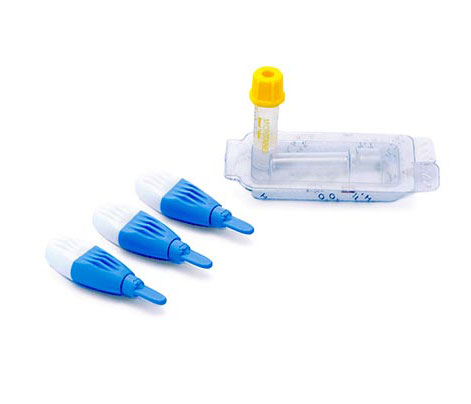
Collect your sample easily from home
Vitamins & Minerals Complete Home Test Kit
Finger-prick blood home test kit, clinic visit or home nurse visit



Vitamins & Minerals Complete Home Test Kit
Fully identify & optimise nutritional deficiencies
£99.00
Includes FREE delivery!
You can be doing the right things and still feel flat, tired, or not quite yourself. Vitamin and mineral shortfalls often cause few clear symptoms, so it is easy to guess, change supplements, and still not know what is actually going on.
Vitall’s Vitamins & Minerals Complete test gives you a clear view of key nutrients and electrolytes, including active B12, folate (B9), vitamin D, ferritin (iron), magnesium, calcium, adjusted calcium, and albumin. It is designed to help you identify deficiencies, understand possible contributors to low energy or anaemia risk, and track whether dietary changes or supplementation are bringing levels back into a healthy range.
If you want certainty rather than trial and error, this test is a straightforward place to start.
How would you like to take your test?
How would you like to take your test?






What the Vitamins & Minerals Complete test is for
You can eat well, sleep enough, and still feel flat. Vitamin and mineral shortfalls often produce few clear symptoms, so it is easy to guess, change supplements, and still not know what is driving how you feel. This home blood test is designed to replace trial and error with measured clarity.
Vitall’s Vitamins & Minerals Complete panel looks at key nutrients and electrolytes that support energy metabolism, red blood cell production, mood, and bone health. It includes active vitamin B12 and folate (B9), alongside vitamin D and ferritin (iron), which can help indicate whether low stores may be contributing to tiredness or anaemia risk. Minerals and proteins that influence calcium balance are also assessed, including magnesium, calcium, adjusted calcium, and albumin, helping you understand whether your results point towards issues linked to bone and muscle function.
Because deficiencies can be subtle, testing from home can be a practical way to check where you stand now, especially if you are pregnant, trying for a baby, menopausal, following a restrictive diet, or managing conditions that can affect absorption. It can also be used to monitor whether dietary changes or supplements are bringing levels back into a healthy range, using the same home test kit approach each time for a consistent comparison.
Small changes,
informed by
real data,
compound fast
Find out where to start...
What's included in your test?
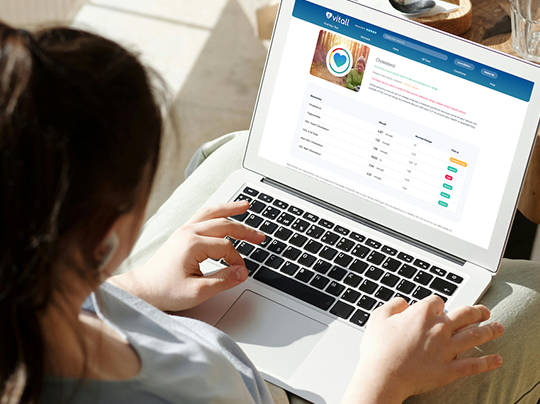
The following sample guidance is required for this test, please follow carefully:
- One easy self-collection sample
Get tested fast with a home test kit, using a finger-prick blood sample. Collect easily with no needles, with free priority postage to an accredited laboratory.
You can also opt for a clinic visit, for professional sample collection by experienced staff, in a comfortable & caring environment.
This Vitamins & Minerals Complete test measures the following biomarkers to fully identify & optimise nutritional deficiencies.

Specialist Tests

Updated. Now with Magnesium testing to optimise bone health, nerve and muscle function!
Need more details?
Learn how the self collection process works, what's in the kit, and your options for clinic and home nurses visits.
How this works ›Why take the Vitamins & Minerals Complete test?
This test is for you if you feel persistently tired, flat, or low in mood and want to check whether vitamin or mineral shortfalls could be contributing.
It is well suited if you are pregnant, trying for a baby, or menopausal, when nutrient demands and deficiencies can shift.
It is also useful if you are over 45, at risk of osteoporosis, or want clarity on vitamin D and minerals linked to bone health.
Consider it if you follow a restrictive diet, especially vegan or vegetarian, and want to confirm your intake is translating into healthy levels.
It can help if you have Coeliac disease or Crohn’s disease, where absorption and malnutrition risk can affect key nutrients.
Take it if you want to assess possible anaemia risk, or to see whether diet changes or supplements are actually bringing levels back into range.
- Are aged over 45
- Are at risk from osteoporosis
- Are currently menopausal, which can lead to deficiencies
- Are currently pregnant
- Are on any restrictive diet (vegans & vegetarian especially)
- Have Chrohn's disease (which can lead to malnutrition)
- Have Coeliac disease (which can cause malnutrition)
- Suffer from chronic fatigue & tiredness
- Suffer from depression
- Want to understand & improve your general health
- Wish to assess whether you are suffering from anaemia
- Wish to have a baby
Order your Vitamins & Minerals Complete test and get the insights you need to feel your best.
Medical disclaimer: This test provides health information and is not a substitute for clinical assessment, diagnosis or treatment. Results should be considered alongside your symptoms, medical history and any medicines you take. If you are concerned about your results or your health, speak to a qualified healthcare professional. For urgent concerns, contact NHS 111, your GP, or call 999 in an emergency.
Expert Analysis In An Accredited Laboratory
Once your sample reaches the UKAS-accredited lab, the magic begins. But this isn't simple science – we insist on state-of-the-art automated technology to ensure your results are processed with unmatched accuracy and efficiency.
- UKCA marked test kits for full regulatory compliance.
- IVDD certified diagnostics for total quality reassurance.
- Medically led UKAS accredited laboratory testing for accurate results.



Dr. Kate Bishop
Chief Scientific Officer
"All testing is conducted by healthcare professionals in a medically-led laboratory. Accredited lab testing is the best way to be confident that your test results are accurate. Get tested now for complete reassurance."
Delivery and results
The Vitamins & Minerals Complete test offers a Finger-prick blood home test kit, clinic visit or home nurse visit for sample collection. Kits are posted to your home free of charge.
Easily sampling from home or at a clinic offers you the most convenient and stress-free way to get tested. Your test also includes free 24 hour tracked sample return to the laboratory.

1. Order Your Test

2. Post Your Samples

3. Get Your Results
Albumin (ALB) is a protein produced by the liver and is the most abundant protein in the blood.
It transports components throughout the body, nourishes tissues & prevents blood vessel leakage.
Albumin is highly sensitive to liver damage so lower levels can indicate when the liver is damaged.
Many other factors also affect albumin levels, such as malnutrition, acute illnesses and inflammation.
| Test | Result | Reference | Status |
|---|---|---|---|
| Albumin | 50g/L | 34 - 50 | Borderline High |
50 Albumin (ALB) is a protein produced by the liver and is the most abundant protein in the blood. It transports components throughout the body, nourishes tissues & prevents blood vessel leakage. | |||
| Calcium | 2.38mmol/L | 2.20 - 2.60 | Normal |
| Ferritin (Iron) | 101ug/L | 30 - 400 | Normal |
| Vitamin B12 (Active) | 84pmol/L | 25.1 - 165.0 | Normal |
| Vitamin B9 | 12.3ug/L | > 2.9 | Normal |
| Vitamin D | 29nmol/L | 50 - 200 | Low |
| Adjusted Calcium | 2.30mmol/L | 2.20 - 2.60 | Normal |

Traffic Light System Instantly see which health markers are in a healthy range (green), borderline (yellow), or need attention (red).

Detailed Explanations Each marker includes an overview of its role in your body, what it means to have high or low levels, and actionable tips to improve.
Tracked Changes See how your health markers have changed over time, track your progress, and optimise your health.

Expert Guidance We don't just hand over data – we empower you with insights to make informed decisions about your health.
What happens after your results?

Testing shows where you are today. Prevent helps you focus on where you want to be.

Using your test results, metrics and symptoms, you can gain further insights to achieve your health goals.

Connect with expert medical partners focused on helping you achieve better health.
We are highly selective over who we choose to work with, so you can be confident you are in good hands.
What people say about this test

Jamie
Hannah
Mark
Frequently Asked Questions
1. Diab L, Krebs N. Vitamin Excess and Deficiency. Pediatrics in Review. 2018;39(4):161-179.
2. Bouma S. Diagnosing Pediatric Malnutrition. Nutrition in Clinical Practice. 2016;32(1):52-67.
3. Holick M. The vitamin D deficiency pandemic: Approaches for diagnosis, treatment and prevention. Reviews in Endocrine and Metabolic Disorders. 2017;18(2):153-165.
4. Stabler S. Vitamin B12Deficiency. New England Journal of Medicine. 2013;368(2):149-160.
5. Hernando-Requejo V. Patología neurológica por déficit de vitaminas del grupo B: tiamina, folato y cobalamina. Nutrición Hospitalaria. 2018;35(6).
6. Pasricha S, Tye-Din J, Muckenthaler M, Swinkels D. Iron deficiency. The Lancet. 2021;397(10270):233-248.
7. Reid I, Bolland M, Grey A. Effects of vitamin D supplements on bone mineral density: a systematic review and meta-analysis. The Lancet. 2014;383(9912):146-155.
8. Holick M. Vitamin D Deficiency. New England Journal of Medicine. 2007;357(3):266-281.
9. Holick M, Chen T. Vitamin D deficiency: a worldwide problem with health consequences. The American Journal of Clinical Nutrition. 2008;87(4):1080S-1086S.
10. Sahota O. Understanding vitamin D deficiency. Age and Ageing. 2014;43(5):589-591.
11. Palacios C, Gonzalez L. Is vitamin D deficiency a major global public health problem?. The Journal of Steroid Biochemistry and Molecular Biology. 2014;144:138-145.
12. Czeizel A, Dudás I, Vereczkey A, Bánhidy F. Folate Deficiency and Folic Acid Supplementation: The Prevention of Neural-Tube Defects and Congenital Heart Defects. Nutrients. 2013;5(11):4760-4775.
13. Sijilmassi O. Folic acid deficiency and vision: a review. Graefe's Archive for Clinical and Experimental Ophthalmology. 2019;257(8):1573-1580.
14. Alshahrani F, Aljohani N. Vitamin D: Deficiency, Sufficiency and Toxicity. Nutrients. 2013;5(9):3605-3616.
15. Straub D. Calcium Supplementation in Clinical Practice: A Review of Forms, Doses, and Indications. Nutrition in Clinical Practice. 2007;22(3):286-296.
16. Zimmermann M, Hurrell R. Nutritional iron deficiency. The Lancet. 2007;370(9586):511-520.
17. Correia M. Nutrition Screening vs Nutrition Assessment: What’s the Difference?. Nutrition in Clinical Practice. 2017;:088453361771966.
18. Zohoori F. Chapter 1: Nutrition and Diet. Monographs in Oral Science. 2019;:1-13.
19. Lukaski H. Vitamin and mineral status: effects on physical performance. Nutrition. 2004;20(7-8):632-644.
20. Tardy A, Pouteau E, Marquez D, Yilmaz C, Scholey A. Vitamins and Minerals for Energy, Fatigue and Cognition: A Narrative Review of the Biochemical and Clinical Evidence. Nutrients. 2020;12(1):228.
21. Chang S, Lee H. Vitamin D and health - The missing vitamin in humans. Pediatrics & Neonatology. 2019;60(3):237-244.
22. Rizzo G, Laganà A, Rapisarda A, La Ferrera G, Buscema M, Rossetti P et al. Vitamin B12 among Vegetarians: Status, Assessment and Supplementation. Nutrients. 2016;8(12):767.
23. Smith A, Warren M, Refsum H. Vitamin B12. Advances in Food and Nutrition Research. 2018;:215-279.
24. Cappellini M, Musallam K, Taher A. Iron deficiency anaemia revisited. Journal of Internal Medicine. 2019;287(2):153-170.
Studies have shown that up to 90% of vegetarians and vegans might be deficient in vitamin B12, since this is only found in animal products. So if you are following a plant-based diet, it is important to regularly check up on your vitamin B12 levels with a nutrition blood test. If depleted, you may need to take supplements of vitamin B12.
Additionally if you do not eat dairy products, alternative sources for calcium should be found e.g. leafy green vegetables like spinach and kale, soybeans, or fortified foods. Again vitamin and mineral deficiency testing can help monitor changes here. (1-6)
If you don’t have time to book an appointment for UK vitamin or mineral deficiency testing at a clinic, you can simply test yourself at home with a nutrition blood test kit that you can order online.
Home vitamin and mineral test kits usually allow you to test for several vitamins and minerals at once. The Vitall vitamin and mineral test consists of collecting your blood sample with a finger prick lancet provided in the kit and sending it in an envelope back to the laboratory for professional accredited analysis.
Your results will be sent to you securely online usually within 24 hours, showing your vitamin and mineral levels as well as the normal range of values and whether your results are within this normal range. If your vitamin or mineral levels are too low or too high, this will be detailed along with a brief summary of your health based on these results.
If you have abnormally low or high albumin levels in your blood, this can make the calcium results falsely too high or too low. So this is also measured so that the laboratory can adjust the values in order to give accurate calcium blood test results.
Almost one billion people worldwide have low levels of vitamin D and approximately 20% of the population in the UK have a vitamin D deficiency. 60% of the population are considered as having insufficient levels of vitamin D.
As mentioned above, colder winters means fewer hours of exposure to sunlight, and less time spent outdoors. It has also been shown that people with darker skin are more prone to vitamin D deficiencies, as the higher levels of melanin block the absorption of UV light. Therefore, if you are of a darker skin tone, you should consider taking a daily supplement of vitamin D not just in winter but all year round.
If you are above 65 years of age, you should also be taking a daily supplement of vitamin D all year around. Infants who are being breast fed must also take vitamin D drops as they will not be receiving sufficient amounts of vitamin D through breast milk. Infants should receive approximately 400 IU/day of vitamin D. Throughout the winter months, you should consider taking vitamin D supplements as there is not enough vitamin D found in the foods that we eat. You should consider taking at least 400 IU/day of vitamin D during winter season to improve your bone health and your immune system, especially as the seasonal flu occurs around the same time.
A vitamin D test is included in several of our home tests, including the advanced bone health test and the Vitall complete vitamins and minerals test. For further information on vitamin D we recommend reviewing the NHS guidance here.(7-11)
Ideally you should be getting the nutrients your body needs through a balanced diet, in which case, you don’t need to take vitamin or mineral supplements.
However, if you are living in a cold environment where you are not exposed to enough sunlight, taking vitamin D supplements is highly recommended in autumn and winter, as not very many foods are rich in vitamin D. Taking at least 400 UI/day is recommended to the entire population during these seasons.
If you are vegetarian or vegan, you are at a higher risk of having a vitamin B12 deficiency or an iron deficiency, so taking vitamin B12 supplements is recommended and if test results show that you are iron deficient, your doctor might advise you to take iron supplements as well. It is not recommended to take iron supplements before testing for an iron deficiency, as too much iron could do more harm than good.
If you are planning to get pregnant, it is important to check your vitamin and mineral levels before taking vitamin B9 (folate) supplements, as this can mask the symptoms of a vitamin B12 deficiency.
As high levels of supplementation can lead to issues, monitoring your blood levels using a nutrition blood test every 6 - 8 weeks is recommended to monitor your progress (21-24).
There are different signs and symptoms of vitamin and mineral deficiency. If you have any of the symptoms below, inform your doctor. A vitamin or mineral deficiency could be caused by an underlying condition or could lead to other medical conditions.
If you are experiencing symptoms of fatigue, bone aches, muscle weakness or cramps, depression, hair loss, and falling ill more often, you might have a vitamin D deficiency.
Folic acid (vitamin B9) plays an important role in the making and repairing of DNA and contributes to the production of your red blood cells. If you are deficient in folic acid, you might experience fatigue, mouth sores, greying hair, tongue swelling and possible growth problems. If left untreated, you can develop anaemia and begin to experience anaemia related symptoms due to folic acid deficiency, such as irritability, palpitations, paleness, shortness of breath and lethargy, as well as damage to your nervous system, which can affect your balance and coordination and cause blurred vision. These symptoms are also found amongst people with a vitamin B12 deficiency.
A calcium deficiency is more difficult to notice unless you are severely deficient in calcium, which is when you will start to have symptoms such as bone fractures, muscle cramps and spasms, brittle nails, depression, numbness in your hands and feet and even your face. You will tend to have slow hair growth, fragile nails, and less elastic skin. In the most severe cases, as calcium is involved in the transmission of chemicals that trigger muscle contraction, seizures can occur.
Another common mineral deficiency is iron deficiency. You can also have a ferritin deficiency – ferritin is a protein that stores iron and releases iron when you need it. Iron in your red blood cells carries oxygen to your entire body. If you are showing symptoms of iron deficiency, your doctor might request that you have your ferritin levels measured. An iron or ferritin deficiency can be characterised by constant fatigue, fast heartbeat, shortness of breath, headaches and dizziness, irritability, and ringing of your ears.
Symptoms of vitamin and mineral deficiencies are vast, and you can experience different symptoms from one person to another, so it is important to get a vitamin and mineral test if you are experiencing unusual symptoms and to see which vitamin or mineral is lacking. Be sure to address any deficiencies with your doctor. (12-16)
If you are at a higher risk of having vitamin or mineral deficiencies, you should test for the vitamins or minerals that could be compromised. For example, if you are above the age of 65 years old, you are post menopause, or you are not exposed to the sun often, it is important to measure your calcium and vitamin D levels.
Likewise, if you are a woman at a childbearing age and you are feeling tired more often than not, you should measure your iron levels. If you are following a vegan or vegetarian diet, you should also be checking your iron levels, as well as your vitamin B9 and B12 levels. It is very common to have at least one vitamin or mineral deficiency at some point in your life, and it is very often the vitamins and minerals that are mentioned above.
However, there are many other vitamins and minerals for which you could have a deficiency, and it really depends on your diet, your lifestyle and other risk factors, so getting a full blood test from time to time is also recommended. The Vitall vitamin and mineral test kit is designed to give a comprehensive overivew of your current nutritional status. (17-20)
We are all prone to deficiencies, whether it is because of our genetics or our environment and lifestyle. It is important to know if you are at a greater risk of having vitamin deficiencies. For example, in the UK, you will have less hours of sunlight than say a country along the equator. With long winters, you won’t be receiving enough sunlight, which can cause a vitamin D deficiency. This is why a lot of individuals take vitamin D supplements during the winter season to compensate for the lack of sunlight they are exposed to.
Adolescents very often experience vitamin and mineral deficiencies because transitioning into an adult sees physical growth, puberty, and cognitive changes, all which affect nutrition.
Iron deficiencies are extremely common amongst all ages. There are 2 types of dietary iron: heme iron and non-heme iron. Heme iron is much better absorbed that non-heme iron and is only found in animal foods. Young children, menstruating women, vegetarians, and vegans are prone to having an iron deficiency, which can lead to anaemia. If you are feeling constantly lethargic and tired, you should check your iron levels, as these are typical symptoms of anaemia. Deficiency in vitamin B9 can also lead to anaemia. Vitall offer a specific anaemia home test to help identify these deficiencies.
Folic acid is the natural form of vitamin B9, and it is an extremely important vitamin for women at a childbearing age who wish to get pregnant, as folic acid plays an important role in making and repairing DNA. If you are considering having a child, it is important to eat foods rich in vitamin B9, or take vitamin B9 supplements before and during pregnancy, in order to prevent birth defects. You should regularly check your vitamin B9 levels to make sure you are getting the right amount in your diet or through supplements.
Your lifestyle is also very important in preventing vitamin and mineral deficiencies. A balanced diet that are rich in nutrients is key to preventing deficiencies. If you are vegetarian or vegan, make sure that you are taking the necessary supplements that are not provided to you in your diet.
If you are taking one or more medications on a daily basis, you are also more prone to having vitamin and mineral deficiencies. Finally, if you are suffering from a chronic disease, you should frequently check your organ functions, and take a vitamin and mineral test to see if your condition is affecting your vitamin and nutrient levels.(1-6)
Seniors are at a higher risk of developing vitamin and mineral deficiencies due to the physiological and metabolic changes that occur in their bodies. Not only that, but also the fact that they are more prone to living alone, being less physically active, and having sensory changes in terms of taste and smell, can decrease their intake of food, leading to many nutrient deficiencies.
Calcium and vitamin D deficiencies are very common, which can lead to osteoporosis and a weakened immune system since Vitamin D also enables the body to better absorb calcium and maintain bone density.
This is particularly common in menopausal women, as the decrease in oestrogen leads to reduced calcium, which leads to calcium being drawn out of the bones to compensate for the deficiency. Women lose 10% of their bone mass within the first few years of their menopause, and calcium supplements are therefore extremely important for preventing the development of osteoporosis. Vitall also offer a bone health home test kit to help you assess this risk, and a menopause bood test to measure female hormone blood levels.
Note that seniors are also prone to being deficient in vitamin B6 and B12. (1-6)
Home test kits contain full instructions and everything you need to safely collect and return your sample. Please see the following details relating to this test below:
- One easy self-collection sample
We also have a guide on how to collect a high quality sample which you may find useful.
The Vitall Vitamins & Minerals Complete test is available online for just £99.00. Your home test kit will be dispatched by free first class post for delivery to your door.
For the best value testing you can also upgrade this Vitamins & Minerals Complete home test to tests which also measure other biomarkers, including:
- Male Total Health Check - Test your whole body as a system to understand and master your health. This all in one health test targets male lifestyle risks to put you in control..
- Female Total Health Check - Take a whole body holistic view of female health risks. This all round health test provides the reassurance needed for a healthier you!.
When you checkout to buy your Vitamins & Minerals Complete test online we also offer additional options, including:
- Visit the Patient Reception in central London for just £35. Your Vitamins & Minerals Complete test sample can be collected by a qualified nurse for immediate analysis.
- Have a nurse visit you to collect the sample for your Vitamins & Minerals Complete test, this is nationwide for just £79.
Whichever option you choose at checkout, buying the best Vitamins & Minerals Complete test online in the UK with Vitall ensures high quality results from an accredited laboratory.
Take control of your health today with one of Vitall’s home blood tests.
Upgrades For The Vitamins & Minerals Complete Test




Articles About Vitamins & Minerals Complete Testing
View all articles ›Longevity for Women in Their 40s: The Biomarkers That Matter Most
Why Am I Always Tired? The Biomarker-Led Answer to Unexplained Fatigue
Mitochondrial Health, Exercise and Biological Ageing
The Science of Staying Young: Mitochondria, NAD+ and Your Longevity Blueprint
Why You're Unable to Lose Weight (Despite Trying)
Why Food Matters More on GLP-1s Than Most People Expect
Here's Why You're so Exhausted - Scientifically Speaking
Glutathione: The Master Antioxidant Keeping Your Cells in Check
The Ultimate Guide to Vitamin Deficiency in the UK: Symptoms, Causes, Tests & Solutions
Essential Health Tests Before Your First Weight Loss Shot
Clinical review

Dr. Shahzaib Ahmad MBBS, BSc, MRCP, FRCA, FFICM
Clinical Supervisor - Vitall|GMC 7495062|Profile
Reviewed on 05/03/2026
Next review due 05/03/2027
Review focus: Blood biomarkers, laboratory testing methodology, and biochemical interpretation.
£99.00
