
Anaemia Home Test Kit
Find out if low iron or B vitamins could be behind your tiredness, breathlessness, or paleness, and get clear next steps.

Anaemia Home Test Kit
Finger-prick blood home test kit, clinic visit or home nurse visit


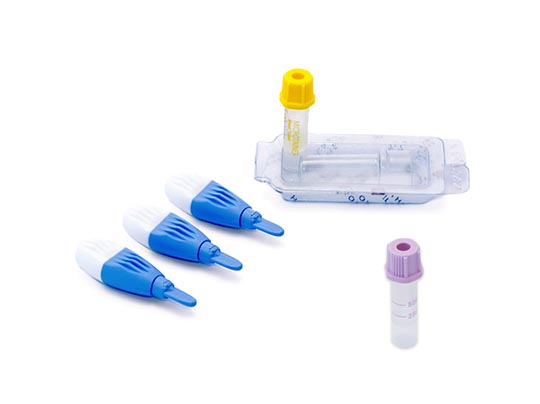
Collect your sample easily from home
Anaemia Home Test Kit
Finger-prick blood home test kit, clinic visit or home nurse visit



Anaemia Home Test Kit
Find out if low iron or B vitamins could be behind your tiredness, breathlessness, or paleness, and get clear next steps.
£119.00
Includes FREE delivery!
Tiredness that does not match your sleep, getting short of breath on stairs, or looking paler than usual is easy to put down to a busy week. If it keeps recurring, it is worth checking whether your blood has what it needs to carry oxygen effectively.
Vitall’s Anaemia test measures haemoglobin and key red blood cell indices, alongside an iron profile and B vitamin status, including active B12 and red cell folate. It can help you understand whether anaemia, low iron, or low B vitamins may be contributing to how you feel.
If you want a clear baseline and practical next steps based on your results, this test is a straightforward place to start.
How would you like to take your test?
How would you like to take your test?






What the Anaemia test is for
Anaemia is a fairly common condition that can affect anyone of any age, sex or ethnicity, with different levels of severity. It occurs when the number of red blood cells and/or the amount of haemoglobin they contain is too low.
As a consequence anaemia causes inadequate oxygen supply to many parts of the body.
There are several different causes of anaemia, often with very similar symptoms which include:
- General tiredness, lack of energy or weakness (fatigue)
- Breathlessness (e.g. walking up stairs)
- An unusually pale complexion
Treatment for anaemia depends on the exact diagnosis, as it can be caused by several factors including chronic disease, blood loss and bone marrow issues.
However as one of the main causes is iron and B vitamin deficiencies, it can often be resolved through diet and supplementation.
If you are known to be anaemic, and are taking supplements, then this panel of tests can be used to assess the effectiveness of this supplementation, both in regards to level sof Iron and B vitamins, but also in regards to haemoglobin level.
Small changes,
informed by
real data,
compound fast
Find out where to start...
What's included in your test?

The following sample guidance is required for this test, please follow carefully:
- Two easy self-collection samples
- Your sample should be collected in the morning in a fasted state: i.e. without eating or drinking anything except water for 8 - 12 hours beforehand.
- This test is sensitive to sample quality. Please pay extra care not to squeeze your finger too hard as this can result in burst red blood cells.
Get tested fast with a home test kit, using a finger-prick blood sample. Collect easily with no needles, with free priority postage to an accredited laboratory.
You can also opt for a clinic visit, for professional sample collection by experienced staff, in a comfortable & caring environment.
Biological age included
This panel covers enough blood markers to estimate your biological age - a research-based snapshot of how your body is ageing versus the calendar. After testing, you’ll see it in your results alongside your biomarkers.
This Anaemia test measures the following biomarkers to find out if low iron or b vitamins could be behind your tiredness, breathlessness, or paleness, and get clear next steps..

Full Blood Count (FBC)

Iron Status

Specialist Tests
Need more details?
Learn how the self collection process works, what's in the kit, and your options for clinic and home nurses visits.
How this works ›Why take the Anaemia test?
Best suited if you are female and still menstruating, have skin that looks paler than normal, or are dealing with ongoing fatigue and tiredness that does not match your sleep.
Take this test if you want to check whether anaemia, low iron, or low B vitamin status could be contributing to how you feel, or to support follow-up if you are already supplementing and want to see whether levels are improving.
- Are female and still menstruating
- Have skin paler than normal
- Suffer from chronic fatigue & tiredness
- Wish to assess whether you are suffering from anaemia
Order your Anaemia test and get the insights you need to feel your best.
Medical disclaimer: This test provides health information and is not a substitute for clinical assessment, diagnosis or treatment. Results should be considered alongside your symptoms, medical history and any medicines you take. If you are concerned about your results or your health, speak to a qualified healthcare professional. For urgent concerns, contact NHS 111, your GP, or call 999 in an emergency.
Expert Analysis In An Accredited Laboratory
Once your sample reaches the UKAS-accredited lab, the magic begins. But this isn't simple science – we insist on state-of-the-art automated technology to ensure your results are processed with unmatched accuracy and efficiency.
- UKCA marked test kits for full regulatory compliance.
- IVDD certified diagnostics for total quality reassurance.
- Medically led UKAS accredited laboratory testing for accurate results.



Dr. Kate Bishop
Chief Scientific Officer
"All testing is conducted by healthcare professionals in a medically-led laboratory. Accredited lab testing is the best way to be confident that your test results are accurate. Get tested now for complete reassurance."
Delivery and results
The Anaemia test offers a Finger-prick blood home test kit, clinic visit or home nurse visit for sample collection. Kits are posted to your home free of charge.
Easily sampling from home or at a clinic offers you the most convenient and stress-free way to get tested. Your test also includes free 24 hour tracked sample return to the laboratory.

1. Order Your Test

2. Post Your Samples

3. Get Your Results
Erythrocyte Sedimentation Rate (ESR) reveals the inflammatory activity in your body.
This test helps gauge unexplained fever, certain types of arthritis and symptoms that affect your muscles.
ESR is non-specific to a particular condition so is used to indicate the overall level of your body’s inflammatory response. Note that you can still have an underlying problem even with a normal result.
| Test | Result | Reference | Status |
|---|---|---|---|
| Erythrocyte Sedimentation Rate | 4mm/hr | 1 - 23 | Normal |
4 Erythrocyte Sedimentation Rate (ESR) reveals the inflammatory activity in your body. This test helps gauge unexplained fever, certain types of arthritis and symptoms that affect your muscles. ESR is non-specific to a particular | |||
| Ferritin (Iron) | 26ug/L | 13 - 150 | Normal |
| Total Iron-Binding Capacity | 60umol/L | 41 - 77 | Normal |
| Vitamin B12 (Active) | 178pmol/L | 25.1 - 165.0 | High |
| Haematocrit | 0.412 | 0.33 - 0.45 | Normal |
| Red Cell Count | 4.26x10^12/L | 3.95 - 5.15 | Normal |
| Mean Corpuscular Volume | 96.7fL | 80 - 99 | Normal |
| Mean Corpuscular Haemoglobin | 31.9pg | 26.0 - 33.5 | Normal |
| Red Cell Distribution Width | 12.5 | 11.5 - 15.0 | Normal |
| Platelet Count | 236x10^9/L | 150 - 400 | Normal |
| Mean Platelet Volume | 10.7fL | 7 - 13 | Normal |
| White Cell Count | 6.92x10^9/L | 3.0 - 10.0 | Normal |
| Neutrophils | 56.6% 3.92x10^9/L | 2.0 - 7.5 | Normal |
| Lymphocytes | 31.8% 2.20x10^9/L | 1.2 - 3.65 | Normal |
| Monocytes | 7.2% 0.50x10^9/L | 0.2 - 1.0 | Normal |
| Eosinophils | 3.2% 0.22x10^9/L | 0.0 - 0.4 | Normal |
| Basophils | 0.08x10^9/L | 0.0 - 0.1 | Normal |
| Red Cell Folate | 596nmol/L | 285.4 - 1474.7 | Normal |
| Haemoglobin | 136g/L | 115 - 155 | Normal |
| Mean Corpuscular Haemoglobin Concentration | 330g/L | 300 - 350 | Normal |
| Transferrin Saturation | 30% | 20 - 55 | Normal |
| Serum Iron | 25.5umol/L | 6.6 - 26.0 | Borderline High |

Traffic Light System Instantly see which health markers are in a healthy range (green), borderline (yellow), or need attention (red).

Detailed Explanations Each marker includes an overview of its role in your body, what it means to have high or low levels, and actionable tips to improve.
Tracked Changes See how your health markers have changed over time, track your progress, and optimise your health.

Expert Guidance We don't just hand over data – we empower you with insights to make informed decisions about your health.
What happens after your results?

Testing shows where you are today. Prevent helps you focus on where you want to be.

Using your test results, metrics and symptoms, you can gain further insights to achieve your health goals.

Connect with expert medical partners focused on helping you achieve better health.

We are highly selective over who we choose to work with, so you can be confident you are in good hands.
What people say about this test

Colin
Hannah
Mark
Frequently Asked Questions
You can test for anaemia with Vitall’s Anaemia Home Test Kit. It is the best and easiest way to investigate this common condition in a convenient manner, without having to leave your home. Using the anaemia test kit, you will get your results from an accredited clinical laboratory delivered securely online usually within 48 hours.
The Anaemia Home Test Kit combines six blood tests that provide the most essential information for the assessment of anaemia: Full Blood Count (FBC), Erythrocyte Sedimentation Rate (ESR), Ferritin, Total Iron-Binding Capacity (TIBC), Red Cell Folate, and Vitamin B12.
Most anaemic people will present a whitish or pale pink colour in the inner part of the eyelids (conjunctiva) instead of the natural pink or reddish colour it usually has. This is not a coincidence and most people recognise it as a sign of anaemia. Haemoglobin gives the blood its red colour, and the blood gives the skin and mucous membranes their pink-reddish tones. A mucous membrane is the lining that covers internal organs, such as the conjunctiva, inside the mouth, genitals, etc.
Pallor represents a commonly used sign for predicting anaemia among physicians and patients, which has led scientists to determine how effective it is. A study[13] that included the conjunctiva, tongue, nail bed, and palms revealed that the presence of intense pallor is good for predicting severe anaemia. Similarly, the absence of pallor is a good way to rule out a severe case of anaemia. Mild and moderate anaemias are not so easy to predict with pallor. According to the study, the best place to look for pallor is the tongue.[13]
Pallor is a good indicator of anaemia; however, it is not diagnostic. It may also occur due to stress, heavy emotions, or other illnesses. Indeed, you may have anaemia without pallor. The best way to know if you have anaemia is with an anaemia blood test.
- Newhall DA, Oliver R, Lugthart S. Anaemia: A disease or symptom. Neth J Med. 2020;78(3):104-110. Available from: https://www.njmonline.nl/article.php?i=234&d=1453&a=2206
- Hamid M, Naz A, Alawattegama LH, Steed H. The Prevalence of Anaemia in a District General Hospital in the United Kingdom. Cureus. 2021;13(5):e15086. Published 2021 May 18. doi:10.7759/cureus.15086. Available from: https://doi.org/10.7759/cureus.15086
- Conrad ME. Anemia. In: Walker HK, Hall WD, Hurst JW, eds. Clinical Methods: The History, Physical, and Laboratory Examinations. 3rd ed. Boston: Butterworths; 1990. Available from: http://www.ncbi.nlm.nih.gov/books/nbk254/
- Madu AJ, Ughasoro MD. Anaemia of Chronic Disease: An In-Depth Review. Med Princ Pract. 2017;26(1):1-9. doi:10.1159/000452104. Available from: https://doi.org/10.1159/000452104
- Lopez A, Cacoub P, Macdougall IC, Peyrin-Biroulet L. Iron deficiency anaemia. Lancet. 2016;387(10021):907-916. doi:10.1016/S0140-6736(15)60865-0. Available from: https://doi.org/10.1016/s0140-6736(15)60865-0
- Camaschella C. Iron-deficiency anemia. N Engl J Med. 2015;372(19):1832-1843. doi:10.1056/NEJMra1401038. Available from: https://doi.org/10.1056/nejmra1401038
- Chung M, Chan JA, Moorthy D, et al. Biomarkers for Assessing and Managing Iron Deficiency Anemia in Late-Stage Chronic Kidney Disease: Future Research Needs: Identification of Future Research Needs From Comparative Effectiveness Review No. 83. Rockville (MD): Agency for Healthcare Research and Quality (US); January 2013. Available from: http://www.ncbi.nlm.nih.gov/books/nbk143610/
- Ganz T, Nemeth E. Iron metabolism: interactions with normal and disordered erythropoiesis. Cold Spring Harb Perspect Med. 2012;2(5):a011668. doi:10.1101/cshperspect.a011668. Available from: http://www.ncbi.nlm.nih.gov/pmc/articles/pmc3331689/
- Lab Tests Online. Transferrin and Iron-binding Capacity (TIBC, UIBC). Accessed 17 July 2021. Available from: https://labtestsonline.org/tests/transferrin-and-iron-binding-capacity-tibc-uibc
- Lab Tests Online UK. Full Blood Count (FBC). Accessed 17 July 2021. Available from: https://labtestsonline.org.uk/tests/full-blood-count-fbc
- Hameed MA, Waqas S. Physiological basis and clinical utility of erythrocyte sedimentation rate. Pak J Med Sci. 2006;22(2):214-8. Available from: https://pjms.com.pk/issues/aprjun06/article/cme.html
- Lab Tests Online. Vitamin B12 and Folate. Accessed 17 July 2021. Available from: https://labtestsonline.org/tests/vitamin-b12-and-fol
- Kalantri A, Karambelkar M, Joshi R, Kalantri S, Jajoo U. Accuracy and reliability of pallor for detecting anaemia: a hospital-based diagnostic accuracy study. PLoS One. 2010;5(1):e8545. Published 2010 Jan 1. doi:10.1371/journal.pone.0008545. Available from: https://doi.org/10.1371/journal.pone.0008545
Anaemia is a condition with very unspecific symptoms that are very easy to overlook; even when suspected, the diagnosis cannot be solely based on clinical symptoms. An anaemia blood test is designed to show underlying issues.
The first test required is an FBC (full blood count test), which includes haemoglobin, haematocrit, and RBC levels. While a FBC may be enough for your GP to diagnose anaemia, other tests are usually required for finding the root of the problem.
We will only discuss tests employed for highlighting common causes of anaemia that may affect anyone at any point in their lives, such as iron deficiency anaemia and vitamin B12/folate deficiency anaemia. Diagnosing other causes of anaemia requires tests that may be costly or complex to interpret without professional help; taking those tests without medical advice can be very impractical and expensive.
Full Blood Count Test (FBC)
A person with anaemia will typically have low haemoglobin (Hb), haematocrit (Hct), and RBC count. As previously discussed, the mean corpuscular volume (MCV) may be increased (macrocytic), normal (normocytic), or decreased (microcytic) in cases of anaemia, leading to possible different causes.
Another valuable test we can get from an FBC is the RBC distribution width (RDW), which measures the amount of RBC size variation. Generally, RDW will be higher in vitamin B12/folate and iron deficiency anaemias.[10]
Erythrocyte Sedimentation Rate Test (ESR)
ESR measures how fast the RBCs settle at the bottom of a small tube. Anaemia (especially macrocytic anaemia) will present a high ESR; this occurs because anaemic blood has fewer RBCs, allowing them to fall and sediment faster.[11]
Ferritin and Total Iron-Binding Capacity (TIBC)
In the context of iron deficiency anaemia, these tests will provide helpful information about the state of iron metabolism. As iron reserves become depleted, ferritin production decreases; for this reason, iron deficiency anaemia presents low ferritin levels. On the other hand, iron overload will cause high ferritin levels. TIBC levels will be increased in iron deficiency because it reflects the amount of iron that could be bound to transferrin.[9]
Red Cell Folate (RCF) and Vitamin B12
Vitamin B12 or folate deficiency is studied with these tests. RCF and vitamin B12 tests measure blood levels of folate and vitamin B12, respectively. Low levels of vitamin B12 or folate are useful during the diagnosis of macrocytic anaemias, including pernicious anaemia.[12]
By measuring the blood levels for each of these biomarkers, the Vitall anaemia home test provides a comprehensive overview of your anaemia risk and status.
The exhaustion of iron reserves is a process that requires time; the same can be said about the progression from iron deficiency to anaemia.
These events occur as a continuous process that can be described by three stages, characterised by the depletion of iron reserves (stage 1), iron deficient erythropoiesis (stage 2), and iron deficiency anaemia (stage 3).
Measuring iron levels with an anaemia blood test earlier in the process and treating low levels accordingly can help you prevent progression through these stages. [7]
Stage 1 – Iron storage depletion
During this first state, the utilisation of iron in the body surpasses iron intake. This means that iron reserves are slowly depleted throughout a certain amount of time, resulting in iron deficiency.
The body, however, does not develop anaemia right away; this mainly occurs because of the body’s ‘hidden’ reserve of iron. When circulating RBCs grow old (after 120 days, approximately), they are captured and destroyed: during this process, the iron contained in haemoglobin is recycled. This turnover of old RBCs occurs daily, creating a continuous supply of iron that slows down the development of iron deficiency.[8]
Stage 2 – Iron deficient erythropoiesis
The body begins to run out of iron, to the point of expending the iron already in use. Iron supply to the bone marrow is hindered, resulting in impaired erythropoiesis (RBC production). During this stage, RBCs may look slightly smaller and there may be mild anaemia.[8]
Stage 3 – Iron deficiency anaemia.
During this stage, the bone marrow produces less and smaller RBCs that contain less haemoglobin (iron deficiency anaemia). [5]
A myriad of signs and symptoms may suggest anaemia; however, it is not uncommon for these symptoms to be very mild or completely absent so taking an anaemia test is the best way to be certain. Anaemia is associated with:
- Pallor.
- Fatigue.
- Weakness.
- Dizziness.
- Headaches.
- Fast or irregular heartbeats.
- Shortness of breath.
- Chest pain.
- Feeling cold in the hands and feet.
The most evident signs of anaemia are sometimes associated with the cause rather than with anaemia itself. According to the mechanisms that precipitate anaemia, some of these signs may help to identify a cause:
- Blood loss:
- Recent surgery or childbirth.
- Recent injury.
- Heavy menstruations.
- Vomiting or coughing blood.
- Having gastrointestinal ulcers.
- Parasitic gastrointestinal infections.
- Black or bloody stools.
- Blood in the urine.
- Having cancer.
- Frequent blood donation.
- Increased RBC destruction:
- Jaundice.
- Infections (malaria, viruses, sepsis).
- Severe hypertension.
- Having vascular devices, such as prosthetic heart valves.
- Impaired RBC production:
- Infections (tuberculosis, fungal infections).
- Having cancer.
- Having a diet with low levels of vitamin B12, folate, or iron.
- Having bone marrow disorders.
If you have the signs and symptoms of anaemia we recommend discussing with your GP and taking an anaemia blood test to indicate underlying issues.
Iron deficiency occurs when iron reserves are low or depleted; rarely, iron deficiency may occur with normal reserves if there is a problem with iron supply to the bone marrow.[5] If iron deficiency is prolonged, iron deficiency anaemia will occur.[5]
Many conditions may produce iron deficiency. Blood loss is a common cause, and it presents the same signs and causes discussed in the previous section. However, blood loss must be chronic before being able to cause iron deficiency.[6]
Reduced iron intake is associated with malnutrition or having a diet with low iron content, including certain vegetarian and vegan diets.[6] Problems with iron absorption occur in people with coeliac disease, gastrointestinal surgeries (such as gastrectomy or duodenal bypass), inflammatory bowel disease, or Helicobacter pylori infection. Consuming certain drugs (like omeprazole or ranitidine), tea, coffee, calcium, may also reduce iron absorption.[5][6]
Anaemia of chronic disease is commonly associated with chronic kidney disease, heart failure, cancer, rheumatoid arthritis, and obesity. Certain genetic disorders may impair iron balance in the body, including Fanconi anaemia, iron-refractory iron deficiency anaemia, divalent metal transporter 1 anaemia.[5]
Nonetheless, iron deficiency is not only caused by disease. It may occur in normal circumstances that demand more iron than usual. Some important examples are the rapid growth seen during infancy, menstruation in adolescent girls, pregnancy, or frequent blood donation.[5][6]
Measuring your iron levels with a home anaemia test is an easy and reliable way to determine if your levels are too low.
Anaemia is a common condition characterised by decreased red blood cells (RBCs) or by their impairment to carry oxygen to the tissues.[1] Anaemia is usually diagnosed with the concentration of haemoglobin, a protein from RBCs that gives the blood its red colour and uses iron to carry oxygen. Normal haemoglobin values may vary depending on age, sex, and even weeks of pregnancy.[1]
Anaemia testing shows that anaemia affects almost a quarter of the general population, representing a frequent diagnosis that may affect any age group (especially children, pregnant women, and the elderly). Data from anaemia blood tests conducted in a general hospital from the United Kingdom revealed that 62% of hospitalised patients were anaemic, especially those over 65 years of age.[2]
Generally speaking, anaemia can be caused by three mechanisms: loss of blood, increased RBC destruction, or impaired RBC production. A disease or condition may employ one or more of these mechanisms to cause anaemia and, unfortunately, there is not one laboratory test able to rule in a specific cause of anaemia while, at the same time, rule out all the other possibilities.[3]
While certainly necessary, haemoglobin levels will only diagnose the presence of anaemia without telling us much about the cause behind it. Many other tools may be required for an appropriate diagnosis, depending on how complex the cause is. To facilitate the diagnostic process, anaemias are classified according to the size of RBCs, reported in full blood counts (FBC) as mean cell volume (MCV).[1][3]
- Microcytic anaemias are characterised by small RBCs and include the two most common causes of anaemia worldwide: iron deficiency anaemia, followed by anaemia of chronic disease.[1][4] Other causes include sideroblastic anaemia and thalassaemia.[1]
- Normocytic anaemias present RBCs with normal sizes and can be found in hospitalised patients, especially those who recently suffered blood loss or haemolysis (rupture of RBCs).[3] Anaemia of chronic disease most commonly presents with normal-sized RBCs, rather than smaller ones.[1]
- Macrocytic anaemias have large RBCs. They are frequently related to vitamin B12 or folate deficiency. However, they can be related to haemolysis, liver disease, hypothyroidism, alcoholism, myelodysplastic syndrome, and other conditions.[1]
While taking a home anaemia test cannot identify a specific type of anaemia, it can indicate problematic iron and FBC levels and help direct the need for further investigation.
The reference range of serum iron blood test for an adult male is 10.6 – 28.3 µmol/L; for females, it is 6.6 – 26 µmol/L. Normal iron levels, similar to other iron-related tests, may vary according to the context of each person. For example, the normal reference range of serum iron varies each trimester for a pregnant woman; similarly, these values for children change as they grow older.
Normal reference ranges may also vary slightly between different laboratories, regions, and countries. The Vitall home anaemia test will always show the current validated laboratory ranges for your age and sex, ensuring the correct comparison for your blood levels.
Iron is an essential trace element that cannot be produced from scratch inside the body; therefore, it must be ingested and absorbed from foods or supplements. The human body regulates iron with a lot of care, using special proteins for its storage (ferritin) and transportation (transferrin). Apart from haemoglobin, most of the iron in the body is bound to ferritin or transferrin; taking this into account, these two proteins give us a better insight into iron levels and function.[8]
Transferrin is produced in the liver and carries iron across the circulatory system. Most of the time, its value is represented by a percentage number that stands for transferrin saturation (how much iron is carried by transferrin).[8] Usually, healthy men and women have a transferrin saturation between 20 and 55%.
Transferrin values can be used to calculate the total iron-binding capacity (TIBC), which tells us how much transferrin can be bound to iron.[9] Typically, the normal reference range for TIBC is 41 to 77 µmol/L in males and females.
Ferritin is the main form of iron storage, kept inside of cells. Ferritin values range from 30 to 400 µg/L in males and 13 to 150 µg/L in females. This test is useful for determining how much iron is in reserve and potentially available for uptake by transferrin.[8]
Both TIBC and Ferritin are measured in the Vitall anaemia blood test to ensure your iron levels can be effectively assessed and monitored.
Biological age included
This panel covers enough blood markers to estimate your biological age - a research-based snapshot of how your body is ageing versus the calendar. After testing, you’ll see it in your results alongside your biomarkers.
This Anaemia test measures the following biomarkers to find out if low iron or b vitamins could be behind your tiredness, breathlessness, or paleness, and get clear next steps..
Full Blood Count (FBC)
Iron Status
Specialist Tests
Home test kits contain full instructions and everything you need to safely collect and return your sample. Please see the following details relating to this test below:
- Two easy self-collection samples
- Your sample should be collected in the morning in a fasted state: i.e. without eating or drinking anything except water for 8 - 12 hours beforehand.
- This test is sensitive to sample quality. Please pay extra care not to squeeze your finger too hard as this can result in burst red blood cells.
We also have a guide on how to collect a high quality sample which you may find useful.
The Vitall Anaemia test is available online for just £119.00. Your home test kit will be dispatched by free first class post for delivery to your door.
When you checkout to buy your Anaemia test online we also offer additional options, including:
- Visit the Patient Reception in central London for just £35. Your Anaemia test sample can be collected by a qualified nurse for immediate analysis.
- Have a nurse visit you to collect the sample for your Anaemia test, this is nationwide for just £79.
Whichever option you choose at checkout, buying the best Anaemia test online in the UK with Vitall ensures high quality results from an accredited laboratory.
Take control of your health today with one of Vitall’s home blood tests.
Articles About Anaemia Testing
View all articles ›Clinical review

Dr. Shahzaib Ahmad MBBS, BSc, MRCP, FRCA, FFICM
Clinical Supervisor - Vitall|GMC 7495062|Profile
Reviewed on 05/08/2026
Next review due 05/08/2027
Review focus: Blood biomarkers, laboratory testing methodology, and biochemical interpretation.
£119.00
