The Ultimate Guide to Menopause

Menopause is a part of every woman’s life. Though not everybody’s comfortable talking about it, women must go through this life-changing moment. Fortunately, there are many ways to prepare for it, such as taking a menopause test or a perimenopause symptom checker for early diagnosis.
Ipsos MORI conducted a survey in May 2016 on behalf of the British Menopause Society (BMS), revealing that one in two women aged 45-65 had menopause in the last ten years without consulting a healthcare professional. The survey also reported that the women who participated in the study experienced at least seven different symptoms, with 42% sharing that their symptoms were worse than expected.
Moreover, the survey revealed that 50% of these women said their menopause symptoms affected their home and sex lives, while more than a third impacted their work life.
Why Do Women Menopause?
A woman reaches menopause after permanently stopping her menstruation for a straight year. It also marks the end of her ability to have children. However, there are healthcare providers who refer to menopause as the time when a woman’s hormone levels begin to change.
Perimenopause is the transition phase before menopause, and during this period, the woman’s ovaries have a diminishing supply of mature eggs, and ovulation becomes irregular. The production of oestrogen and progesterone also decreases, causing menopause symptoms.
When Does Menopause Start?
The start of menopause varies from woman to woman because they don’t have the same regularity or length of the menstrual cycle. Typically, it starts between 45 and 55 years old. It begins when the ovaries no longer release eggs for fertilization.
However, there are cases when women experience menopause before they’re 40. Also referred to as ‘premature menopause,’ it can be caused by an autoimmune disorder, chromosomal abnormalities, and unknown causes. Though no one can predict when menopause will kick in, it can depend on one’s age, health, and genetic factors.
In some cases, menopause results from surgical procedures like the removal of the ovaries and medical intervention that affects ovarian function, such as chemotherapy and radiation therapy.
Further, some women have stopped having their period before menopause. This is especially true for those with specific surgical procedures like hysterectomy and those with infrequent menstruation due to hormonal contraceptives.
Some experience the symptoms four years after their last period. According to NHS, one in every ten women has symptoms for up to 12 years.
Symptoms of Menopause
What are the symptoms of menopause? Every woman is unique, which means they experience different symptoms, too. Some’ll experience more than others, while some may have severe symptoms. Other women may have stressful and more frequent symptoms, too. Meanwhile, here are the most common signs and symptoms to watch out for:
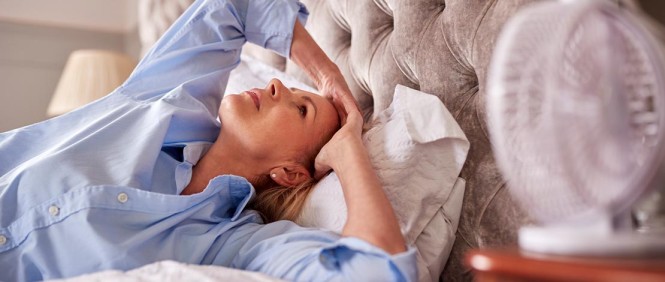
Hot flushes
This is the most common menopause symptom, with 75% of women experiencing it. The sudden, brief, periodic rise in temperature characterizes it. It usually starts before the last menstruation. Hot flushes occur for two years or less for 80% of women, while a small percentage have it for over two years. The flushes are caused by decreasing oestrogen levels and may vary in intensity and frequency.
In addition to the increase in body temperature, hot flushes can also increase heart rate, which causes perspiration as the body tries to decrease its temperature. It can be accompanied by dizziness and palpitations.
Hot flushes also happen at night and are referred to as night sweats. In this scenario, a woman wakes up sweaty and must change clothes and sheets.
Vaginal Atrophy
Another common symptom is vaginal atrophy. It’s when tissues in the vagina and urethra start drying and thinning, which leads to painful sex, cystitis, vaginitis, and urinary tract infections.
Relaxation of the pelvic muscles
This symptom can cause urinary incontinence. It can also increase one’s risk of having the bladder, urethra, rectum, and uterus protrude into the vagina.
Cardiac Symptoms
Some women experience dizziness, numbness, palpitations, increased heart rate, prickling, tingling, and other abnormal sensations.
Hair Growth
Menopause is accompanied by hormonal changes, which can lead to facial hair growth or thinning of hair on one’s scalp.
Mental Health Problems
Some women struggle with psychological and emotional symptoms as they reach menopause. They feel irritability, insomnia, fatigue, depression, and nervousness. However, these symptoms are also related to her diminishing oestrogen levels, aging, and changing roles as she enters menopause.
Women must visit their doctor regularly for preventive health care and other health concerns during and after menopause. Tests like a menopause test, perimenopause symptom checker, and other health screening tests such as mammography and colonoscopy are also highly recommended.
Treatment for Menopause and Perimenopause According to NHS
The National Health Service laid out some common remedies for menopause and perimenopause. The primary medical treatment is HRT or hormone replacement therapy, which involves replacing hormones at low levels. It’s a safe and effective treatment that uses oestrogen to replace one’s levels during menopause. There are different types and doses, too.
Oestrogen may be in the form of skin patches, implants, tablets, and the spray or gel you apply on the skin. Those with a uterus must take progesterone to protect the womb lining from the side effects of oestrogen. Once you’re taking progesterone and oestrogen, the treatment is known as combined HRT.
Progesterone is available in patches as a combined patch with oestrogen, intrauterine system or IUS, and tablets.
What are the Benefits and Risks of HRT?
HRT best relieves symptoms associated with menopause and perimenopause, such as hot flushes, joint pains, vaginal dryness, and irritability. It can also help reduce the risk of hormone-related illnesses like heart disease and osteoporosis.
However, taking HRT also has its risks. Always consult a health professional before taking it.

On the other hand, if you have a reduced sex drive, your doctor may recommend using testosterone gel in case HRT isn’t practical. It comes in gel or cream and can improve mood, libido, and energy levels. It can be used together with HRT, while side effects may include unwanted hair growth and acne. However, it can only be prescribed after menopause through a specialist doctor.
Women having menopause or perimenopause may have a dry, itchy, and painful vagina. In this case, oestrogen treatments are prescribed. They come in cream, ring, or tablet you can insert in your vagina. It’s also effective in improving urinary symptoms such as discomfort in urinating. Such treatments don’t enter the bloodstream and only work on the body part where you put it. It’s also safe to use with HRT. However, symptoms can come back once you stop using them.
Non-Hormone Medicines
Are you looking for non-hormone treatments? NHS has provided non-hormone medicines you can take if you can’t have HRT.
Hot flushes and night sweats
Women can take Clonidine, which is commonly used for regulating blood pressure, or Gabapentin, which is a medicine for epilepsy. Always consult with your GP before taking any of them.
Mood swings
A woman can take antidepressants to combat mood-related symptoms, especially if she has anxiety or depression.
Cognitive behavioural therapy (CBT)
Another option is CBT. It involves therapy for hot flushes, joint pain, moodiness, and anxiety.
Complementary and alternative therapies
NHS doesn’t recommend complementary and alternative treatments for menopause and perimenopause, like compounded bioidentical or “natural” hormones and herbal remedies. They haven’t been tested and proven safe and effective treatments. Further, it would be best if you also steered clear from supplementary and alternative therapies that can interact with other medicines and cause harmful side effects. Always ask your GP before using complementary therapy.
Compounded Bioidentical Hormones
Some private clinics offer compounded bioidentical hormones as a form of HRT. Again, they’re not recommended as there is insufficient information on how they work and whether they’re safe. However, bioidentical hormones are available as HRT and have been tested safe and effective.
When to Follow Up with Your Health Provider
Those taking HRT must have a follow-up review after three months with the doctor who prescribed the treatment. If everything works well, you can have a follow-up once a year. The healthcare provider will ensure that your symptoms are under control and you’re not suffering from severe side effects and vaginal bleeding. Your blood pressure and weight will be checked, too.
There’ll be changes after the review, and your HRT treatment may continue for years until the symptoms are gone. You can also decide whether to continue with your HRT treatment or not.

Check female sex hormones and assess menopausal status.
£69.00
Add to Cart ›
The Best Female Hormones (Menopause) Test
With so many menopause tests and perimenopause symptom checkers available, how can you find the best for you? Look no more because Vitall has you covered. Our Female Hormones (Menopause) test is a tested and proven hormonal control test designed explicitly for checking female sex hormones and assessing menopausal status.
This test kit is easy to use, too. You can collect a blood sample using a finger-prick blood home test kit that you can do yourself. You may visit a clinic or have a nurse come to your home and do the test for you if you prefer.
Our Female Hormones (Menopause) Test is highly recommended for women aged 35 and up. Menopause is a natural process as women’s oestrogen levels decrease between 45 and 55 years old. When this happens, the periods stop, and it’s impossible to have a natural pregnancy.
However, it’s normal for women to experience premature menopause earlier on. We know how menopause can affect one’s well-being and ability to conceive. That’s why we recommend our test for women from 35 and above.
As mentioned above, menopause symptoms include hot flushes, night sweats, insomnia, reduced sex drive, and anxiety, which can last for years. If you have menopause, these symptoms can be relieved through HRT. Since you’ll have declining oestrogen levels, we recommend monitoring your bone health. Lower oestrogen levels can put you at risk of developing weak bones or osteoporosis. Check out our Bone Health (Osteoporosis) Home Test Kit here.
How It Works
Our Female Hormones finger-prick blood test kit is convenient and accurate. You can collect a sample from your home and then return it to the laboratory through a pre-paid envelope, where it will be analysed.
Vitall also offers the option to visit one of our 150+ partner clinics, where our professional and caring staff can get the sample for you. If you prefer having it at home, our experienced nurse can collect the sample at your convenience.
Analyzing Your Blood Sample
A UKAS-accredited laboratory with experienced professional health practitioners will analyse your sample. NHS trusts it, and all tests have the CE mark. All the processes align with the standards the NIHR GCP sets.
Once done, we will deliver your test results online within 24 hours.
What is Included?
The good news is once you avail of our Female Hormones (Menopause) Test, we’ll also include three accredited laboratory tests.
1. Follicle-Stimulating Hormone (FSH)
FSH is a vital sex hormone that can affect fertility. It plays a crucial role in egg development among women. You should also be tested in case of irregular or no menstruation. On the other hand, FSH can affect sperm production in men, especially those having low sperm count and muscle mass and lacking libido.
2. Luteinising Hormone (LH)
Our Female Hormones (Menopause) Test also includes testing for LH. This hormone is found in the blood, and it’s responsible for regulating the reproductive systems, specifically the ovaries, and testes. The pituitary gland, the ‘master gland’ that controls hormones, manufactures LH.
LH also regulates menstruation and determines fertility for planned pregnancy. It can also gauge the start of menopause.
3. Oestrogen (Estradiol) (E2)
Oestrogen helps the female reproductive organ in its functions. As a steroid sex hormone, it also aids in developing secondary sex characteristics. It works together with progesterone in regulating menstruation and healthy pregnancy. The test also measures oestradiol (E2), an indicator of ovarian function.
Menopause should be normalized. Women must be given the care and support they need as they start this period. Taking a menopause test or a perimenopause symptom checker is one of the first steps to help them deal with menopause symptoms. Consult with your health practitioner and get tested.
Get Yourself Tested With Vitall's Home Test Kits



Scientific review

Dr. Kate Bishop
Chief Scientific Officer - Vitall|Profile
Reviewed on 04/04/2025
Next review due 04/04/2026
Review focus: Blood biomarkers, laboratory testing methodology, and biochemical interpretation.
More Articles in These Categories
Similar Articles
View all articles ›"Finding Out I Had The Early Menopause Was Just Awful"
Menopause Risks and Why You Should Get Tested
Living With Perimenopause: 5 Ways To Manage Its Symptoms
Female Hormones (Menopause) Home Test Kit to Check for Perimenopause Symptoms
Testing for Menopause: Home Test Kits vs GP Testing
20 Foods That Naturally Regulate Your Hormones
Your Essential Guide to Purchasing Hormone Blood Tests
The 4 Seasons of Your Cycle: A Guide to Female Hormonal Health
The Complete Guide to Menopause and Hormonal Health
Hot Flushes and Brain Fog? Here’s How to Know if It’s Actually Menopause
References & Citations For The Ultimate Guide to Menopause
-
Ipsos MORI (2016). Women’s experience of menopause: A survey for the British Menopause Society. Retrieved from https://www.ipsos.com/sites/default/files/2016-05/British-Menopause-Society-Menopause-Survey-2016.pdf
-
National Health Service (2021). Menopause. Retrieved from https://www.nhs.uk/conditions/menopause/
-
National Health Service (2021). Hormone replacement therapy (HRT). Retrieved from https://www.nhs.uk/conditions/hormone-replacement-therapy-hrt/
-
National Institute for Health and Care Excellence (2015). Menopause: diagnosis and management. Retrieved from https://www.nice.org.uk/guidance/ng23
-
Santoro, N., Epperson, C. N., & Mathews, S. B. (2015). Menopausal Symptoms and Their Management. Endocrinology and Metabolism Clinics of North America, 44(3), 497-515. doi:10.1016/j.ecl.2015.05.001
-
Harlow, S. D., Gass, M., Hall, J. E., Lobo, R., Maki, P., Rebar, R. W., Sherman, S., Sluss, P. M., & de Villiers, T. J. (2012). Executive summary of the Stages of Reproductive Aging Workshop +10: addressing the unfinished agenda of staging reproductive aging. Menopause, 19(4), 387-395. doi:10.1097/gme.0b013e31824d8f40
-
North American Menopause Society (2020). The 2020 Genitourinary Syndrome of Menopause Position Statement of The North American Menopause Society. Menopause, 27(9), 976-992. doi:10.1097/GME.0000000000001626
-
North American Menopause Society (2017). The 2017 hormone therapy position statement of The North American Menopause Society. Menopause, 24(7), 728-753. doi:10.1097/GME.0000000000000921
