Take Control Of Your Health | Home Blood Testing Services
Review 4.8 / 55 Stars! Private STI Tests & Health Checks Online Reviews
Login ›Basket (0)
Basket (0)
Find Your Test
Womens
Mens
All Tests
Conditions
Help

Health Conditions

Explore common health conditions and see which lab tests can help you check or monitor them.

Discover a smarter way to manage your health - we'll identify the optimal tests for your specific symptoms, from general wellness to precise conditions like diabetes or menopause.

Just input your concerns below, and let us direct you towards better health.

Vitall AI will suggest measures that you can take to answer your enquiry and direct you to relevant testing.
Please note that this is not medical advice. For order, results or general enquiries etc please contact us here

Alcohol misuse

Alcohol misuse describes a pattern of drinking that causes harm to health, and blood biomarkers can provide objective evidence of recent or sustained consumption.

Allergies

Allergies occur when the immune system overreacts to a normally harmless substance such as pollen, animal dander, dust mites or certain foods.

Anaemia

Iron deficiency anaemia is the most common type of anaemia in the UK, occurring when the body lacks sufficient iron to produce healthy red blood cells.

Bacterial vaginosis

Bacterial vaginosis is a common vaginal condition caused by an imbalance in the bacteria that normally live in the vagina.

Bleeding disorders

Bleeding disorders affect the blood's ability to clot properly, leading to prolonged or spontaneous bleeding that may require specialist management.

Blood clots

Blood clots can form in the veins or arteries and, if left untreated, may lead to serious complications including deep vein thrombosis and pulmonary embolism.

Bowel cancer

Bowel cancer is the fourth most common cancer in the UK, but when detected early through screening, treatment outcomes are significantly better.

Breast cancer

Breast cancer is the most common cancer in the UK, with early detection through screening and awareness significantly improving treatment outcomes.

Cardiovascular disease

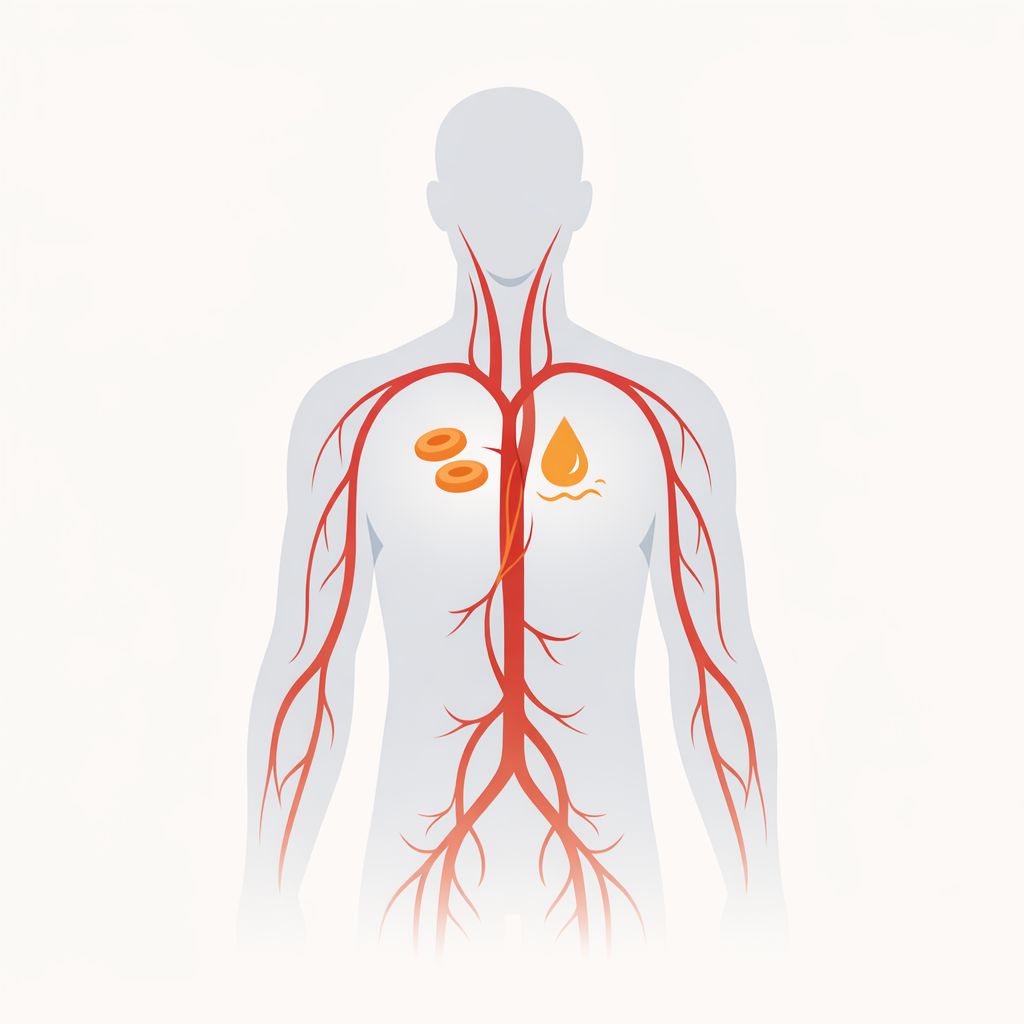
Coronary heart disease is the leading cause of death in the UK, caused by the gradual build-up of fatty deposits in the arteries that supply the heart.

Cervical cancer

Cervical cancer is almost entirely caused by persistent infection with high-risk types of human papillomavirus (HPV) and is highly preventable through vaccination and screening.

Chickenpox

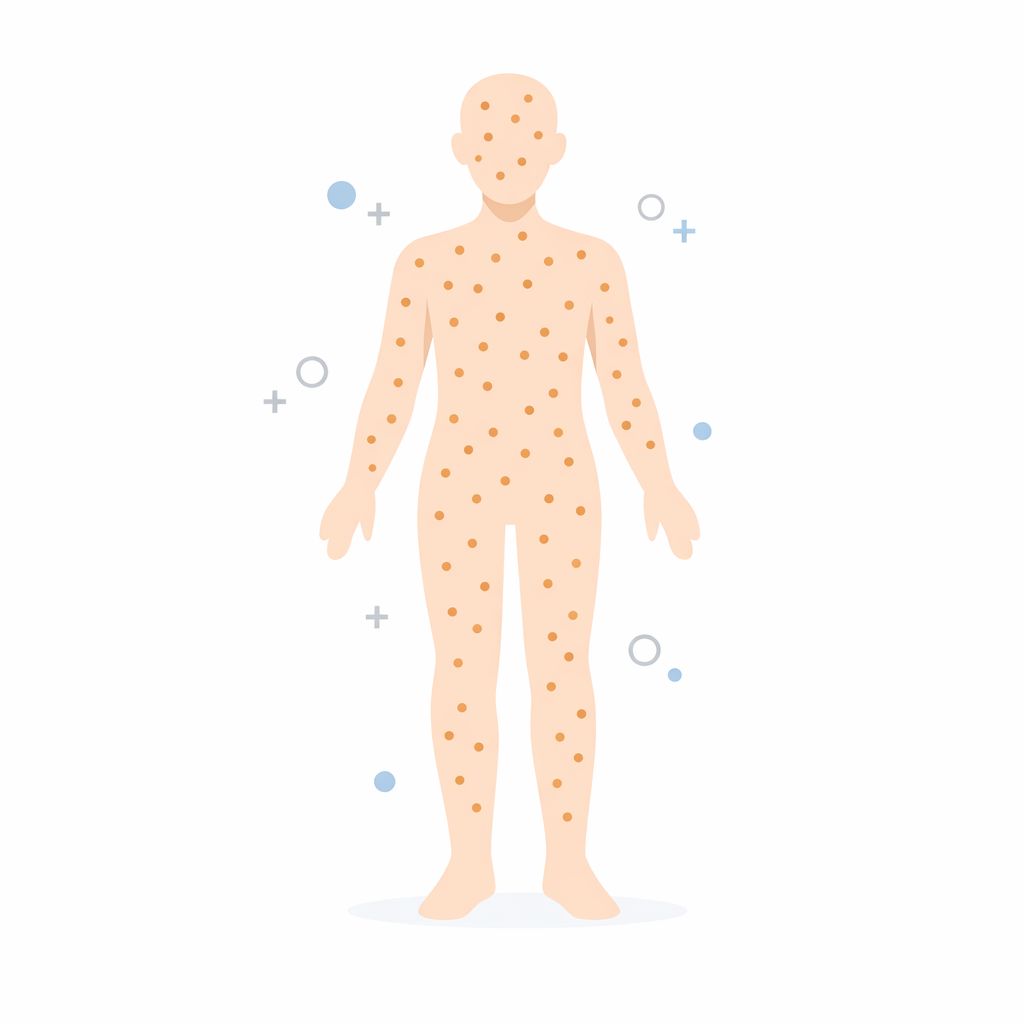
Chickenpox is a highly infectious illness caused by the varicella-zoster virus, usually mild in children but potentially more serious in adults and immunocompromised individuals.

Chlamydia

Chlamydia is the most commonly diagnosed STI in the UK and often causes no symptoms, making routine testing essential for sexually active individuals.

Chronic kidney disease

Chronic kidney disease is a gradual loss of kidney function that affects around 1 in 10 people in the UK, often without symptoms in its early stages.

Cold sores

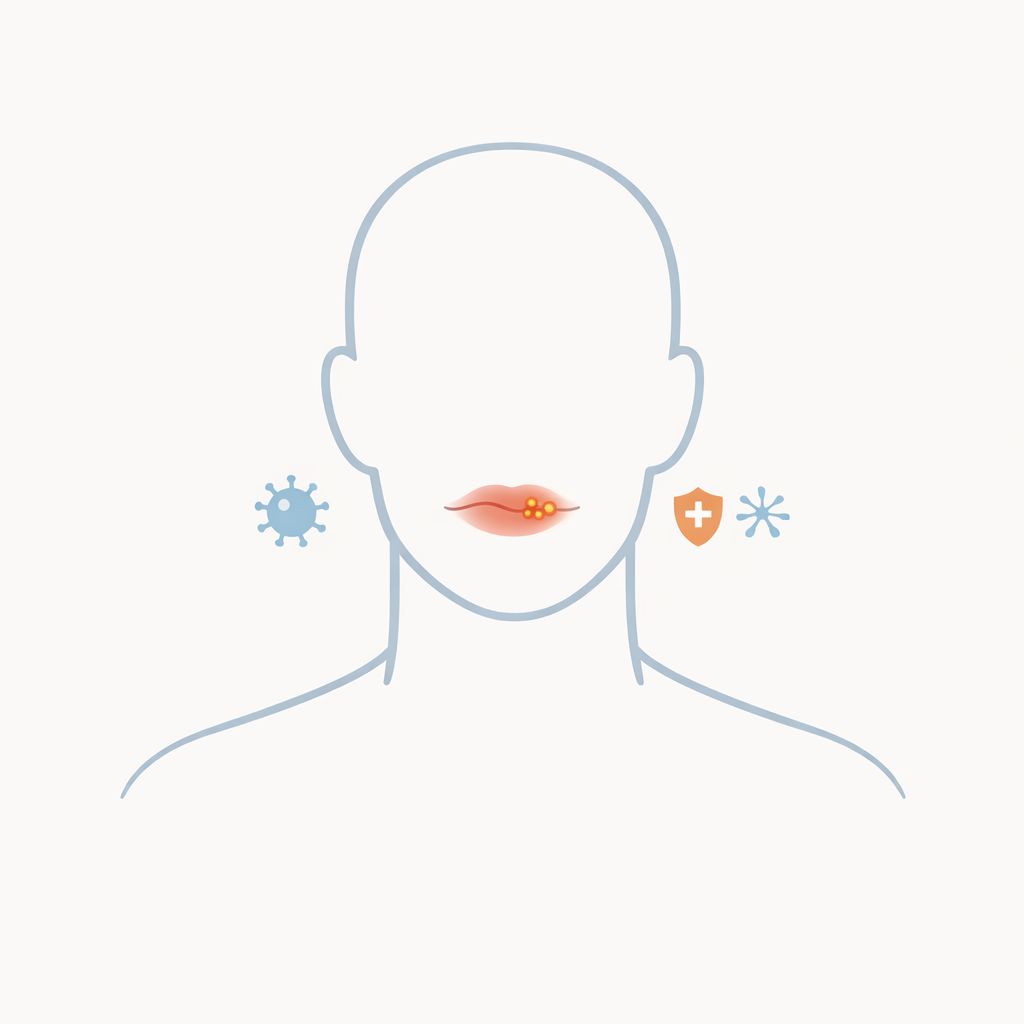
Cold sores are small blisters on or around the lips caused by herpes simplex virus type 1, which lies dormant in nerve cells and can reactivate periodically.

Coronary heart disease

Coronary heart disease is the leading cause of death in the UK, caused by the gradual build-up of fatty deposits in the arteries that supply the heart.

COVID-19

COVID-19 is an infectious disease caused by the SARS-CoV-2 virus, with antibody and antigen tests used to detect past exposure or active infection.

Cushing's syndrome

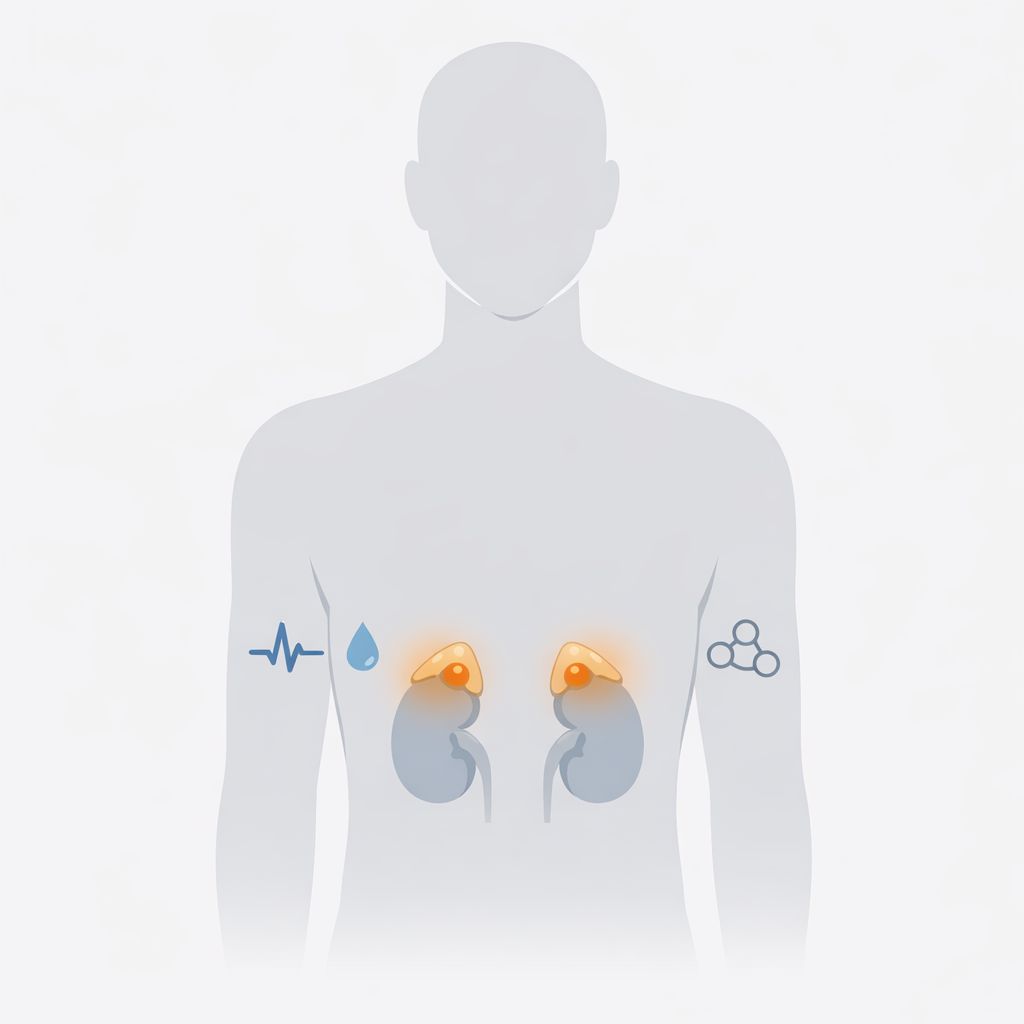
Cushing's syndrome results from prolonged exposure to high levels of cortisol, most commonly from corticosteroid medication or, less often, a hormone-producing tumour.

Dehydration

Dehydration occurs when the body loses more fluid than it takes in, affecting electrolyte balance and impairing normal physiological function.

Drug misuse

Drug screening detects the presence of specific substances or their metabolites in the body, and is used in clinical, occupational and treatment monitoring settings.

Genital herpes

Genital herpes is a common STI caused by the herpes simplex virus, which remains in the body after initial infection and can reactivate periodically.

Gestational diabetes

Gestational diabetes develops during pregnancy when the body cannot produce enough insulin to meet the increased demands, and usually resolves after birth.

Gonorrhoea

Gonorrhoea is the second most common bacterial STI in the UK, and rising antibiotic resistance makes accurate testing and treatment increasingly important.

Gout

Gout is a form of arthritis caused by uric acid crystals depositing in the joints, triggering sudden and severe episodes of pain and swelling.

Haemochromatosis

Haemochromatosis is one of the most common inherited conditions in the UK, causing the body to absorb too much iron from food and deposit it in organs.

Hay fever

Hay fever is a common allergic reaction to pollen that causes sneezing, nasal congestion and itchy eyes, affecting up to 1 in 5 people in the UK.

Heart attack

A heart attack occurs when the blood supply to part of the heart muscle is suddenly blocked, requiring immediate emergency treatment.

Heart failure

Heart failure means the heart cannot pump blood as effectively as the body needs, causing breathlessness, fatigue and fluid retention.

Hepatitis B

Hepatitis B is a viral liver infection spread through blood and body fluids, preventable by vaccination and manageable with monitoring and treatment.

Hepatitis C

Hepatitis C is a blood-borne viral liver infection that often causes no symptoms for years, but is now curable with direct-acting antiviral treatment.

High cholesterol

High cholesterol is a common condition with no symptoms, where excess cholesterol in the blood increases the risk of heart disease and stroke.
HIV

HIV attacks the immune system and, without treatment, can progress to AIDS, though modern antiretroviral therapy enables a near-normal life expectancy.

Hypercalcaemia

Hypercalcaemia occurs when calcium levels in the blood are higher than normal, often due to overactive parathyroid glands or, less commonly, underlying malignancy.
Infertility

Infertility affects approximately 1 in 7 couples in the UK and can involve hormonal, structural or unexplained factors in either partner.

Inflammatory bowel disease

Inflammatory bowel disease is a chronic condition involving persistent inflammation of the gastrointestinal tract, primarily Crohn's disease and ulcerative colitis.

Iron deficiency anaemia

Iron deficiency anaemia is the most common type of anaemia in the UK, occurring when the body lacks sufficient iron to produce healthy red blood cells.

Jaundice

Jaundice is a yellowing of the skin and eyes caused by elevated bilirubin levels, signalling a problem with the liver, bile ducts or red blood cell breakdown.

Leukaemia

Leukaemia is a cancer of the blood-forming cells in the bone marrow, disrupting the production of healthy white blood cells, red blood cells and platelets.

Liver disease

Liver disease encompasses a range of conditions that impair liver function, most commonly caused by alcohol, viral hepatitis or the accumulation of fat in liver cells.

Low testosterone

Low testosterone occurs when the testes do not produce sufficient levels of the hormone, affecting energy, mood, muscle mass and sexual function.

Lymphoma

Non-Hodgkin lymphoma is a blood cancer that develops in the lymphatic system when lymphocytes grow and multiply abnormally.

Malnutrition

Malnutrition occurs when the body does not receive or absorb adequate nutrients, and is more common in the UK than many people realise.

Measles

Measles is a highly infectious viral illness that can cause serious complications, but is effectively prevented by the MMR vaccine.

Melanoma skin cancer

Melanoma is the most serious form of skin cancer, strongly linked to UV exposure, and is highly treatable when detected early.

Menopause

Menopause is a natural decline in oestrogen production that marks the end of menstrual periods, typically occurring around the age of 51 in the UK.

Multiple myeloma

Multiple myeloma is a blood cancer of the plasma cells in the bone marrow, which can affect bones, the immune system and kidney function.

Mumps

Mumps is a viral infection causing painful swelling of the salivary glands, preventable through the MMR vaccine.

Mycoplasma genitalium

Mycoplasma genitalium is an increasingly recognised sexually transmitted bacterium that can cause urethritis, cervicitis and pelvic inflammatory disease.

Neutropenia

Neutropenia is a low level of neutrophils in the blood, which can increase vulnerability to bacterial and fungal infections.

Osteoporosis

Osteoporosis weakens bones over time, increasing the risk of fractures, and is often undiagnosed until a break occurs.

Ovarian cancer

Ovarian cancer can be difficult to detect early because its symptoms are often subtle and easily attributed to other conditions.

Overactive thyroid

An overactive thyroid produces too much thyroid hormone, accelerating the body's metabolism and causing symptoms such as weight loss, rapid heartbeat and anxiety.

Pancreatic cancer

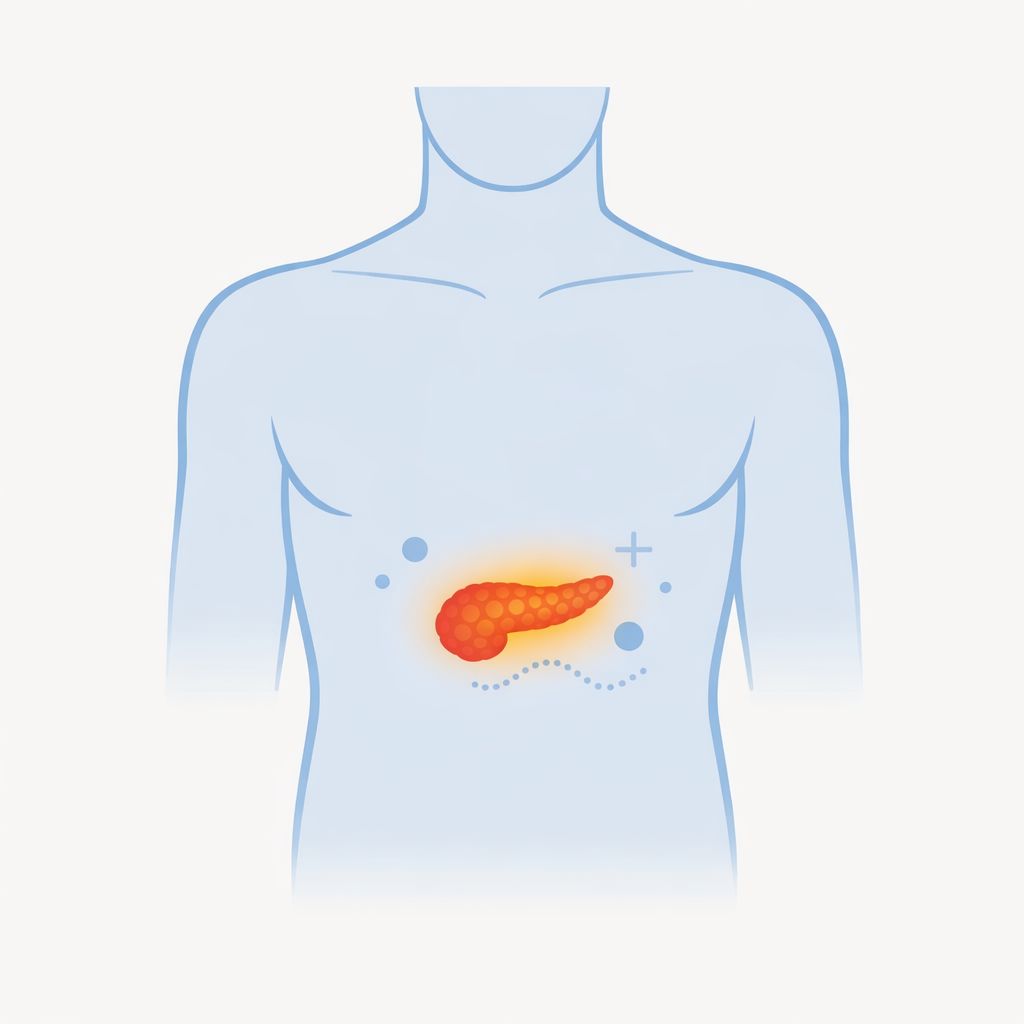
Pancreatic cancer is often diagnosed at a later stage because early symptoms tend to be vague, making awareness of risk factors particularly important.

Pancreatitis

Pancreatitis is inflammation of the pancreas, most commonly caused by gallstones or heavy alcohol consumption, and can range from mild to life-threatening.

Phaeochromocytoma

Phaeochromocytoma is a rare adrenal gland tumour that causes overproduction of adrenaline and noradrenaline, leading to episodes of high blood pressure and other symptoms.

Polycystic ovary syndrome

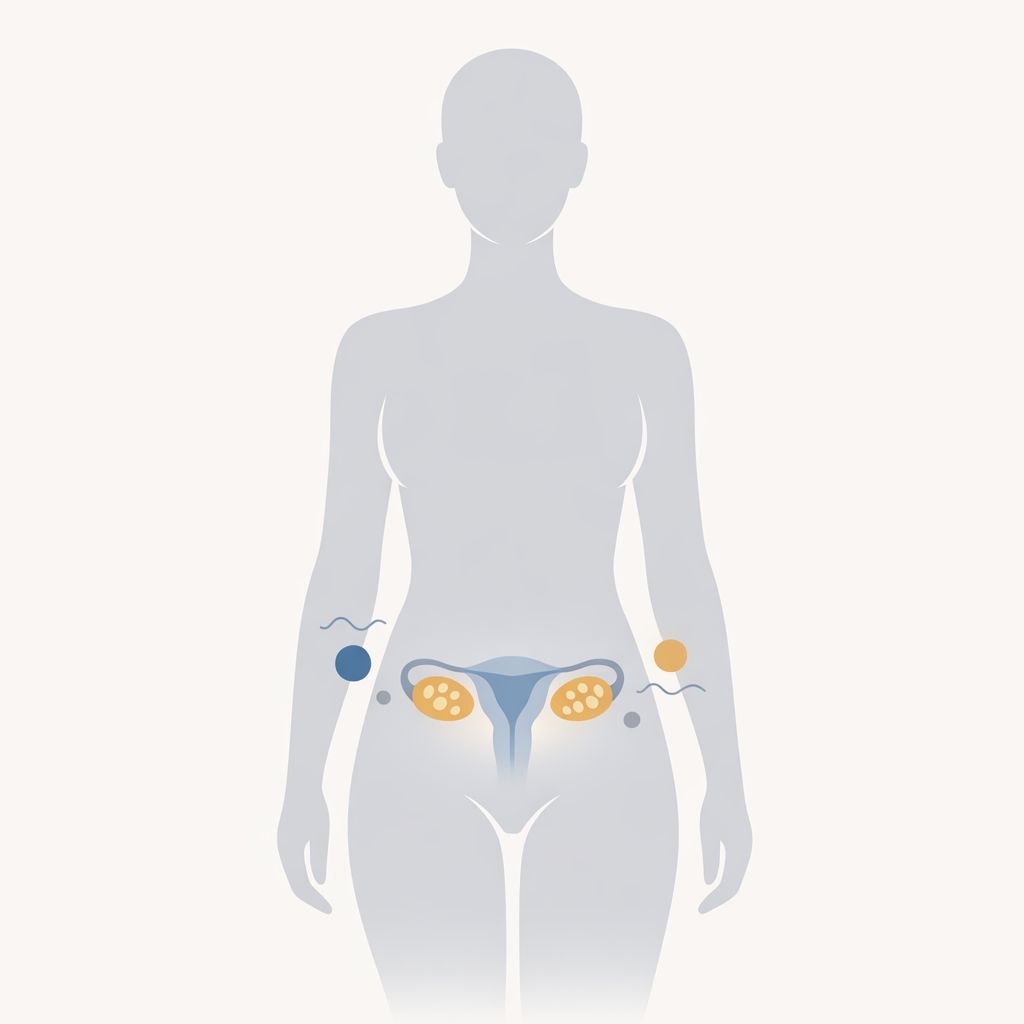
PCOS is a common hormonal condition affecting up to 1 in 10 women of reproductive age, characterised by irregular periods, excess androgens and metabolic changes.

Polycythaemia

Polycythaemia is a condition in which the body produces too many red blood cells, making the blood thicker and increasing the risk of clots.

Polymyalgia rheumatica

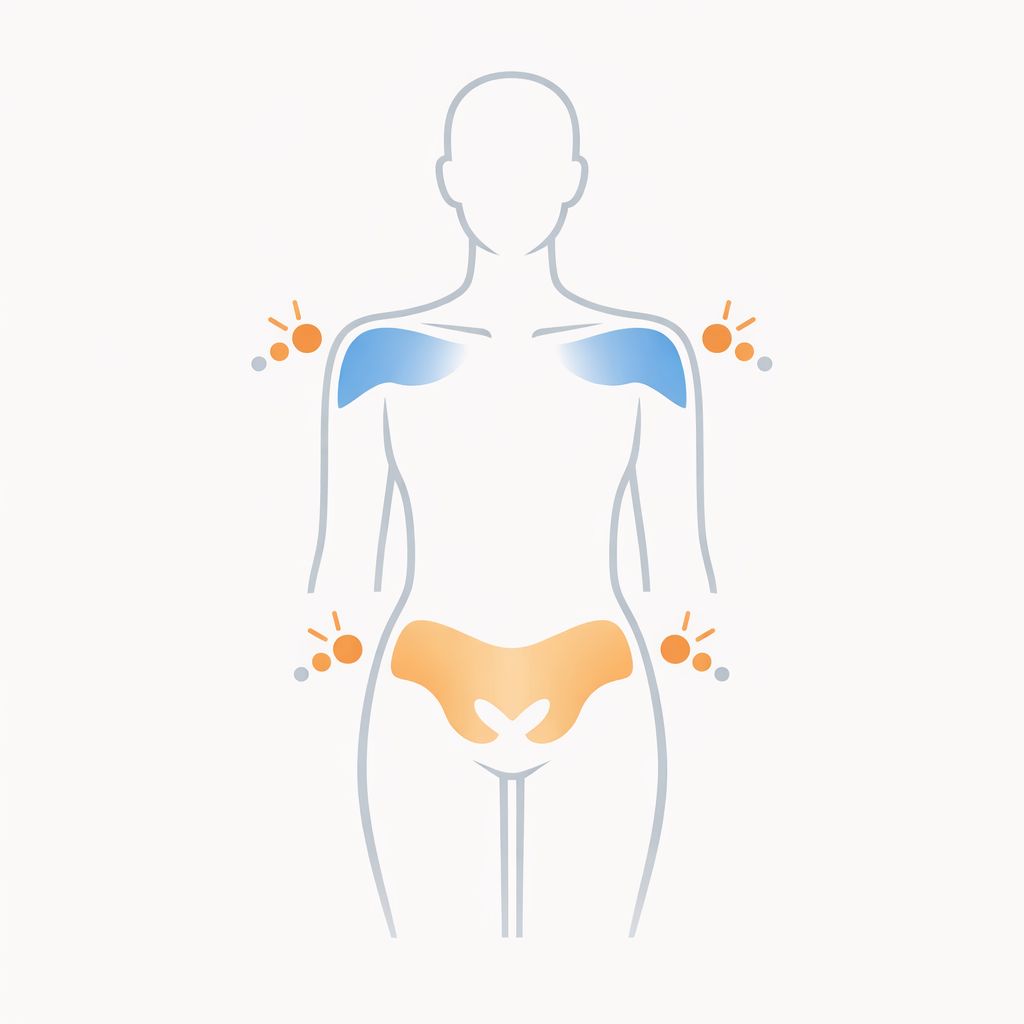
Polymyalgia rheumatica is an inflammatory condition causing muscle pain and stiffness, predominantly in the shoulders and hips, almost exclusively in adults over 50.

Pregnancy

Beta hCG is a hormone produced by the developing placenta and is the earliest reliable blood marker of pregnancy, detectable before a missed period.

Prolactinoma

A prolactinoma is a benign pituitary gland tumour that produces excess prolactin, which can disrupt reproductive function in both women and men.

Prostate cancer

Prostate cancer is the most common cancer in men in the UK, with PSA blood testing playing a key role in detection and monitoring.

Rheumatoid arthritis

Rheumatoid arthritis is a long-term autoimmune condition in which the immune system attacks the joints, causing pain, swelling and progressive damage.

Rubella

Rubella is usually a mild viral illness, but infection during early pregnancy can cause serious birth defects, making immunity confirmation important.

Scurvy

Scurvy is a condition caused by prolonged vitamin C deficiency, affecting collagen production and leading to fatigue, bleeding gums and poor wound healing.

Stomach cancer

Stomach cancer develops in the lining of the stomach and is most commonly associated with Helicobacter pylori infection, smoking and dietary factors.

Stomach ulcers

Stomach ulcers are open sores in the stomach lining, most commonly caused by H. pylori infection or long-term use of anti-inflammatory medications.

Syphilis

Syphilis is a bacterial STI that progresses through stages if untreated, but is effectively cured with antibiotics when caught early.

Tetanus

Tetanus is a serious bacterial infection that affects the nervous system, causing muscle stiffness and spasms, and is preventable through vaccination.

Thrombocytopenia

Thrombocytopenia is a reduction in platelet count that can impair blood clotting and, when severe, lead to abnormal bruising or bleeding.

Trichomoniasis

Trichomoniasis is a sexually transmitted infection caused by a parasite, often producing no symptoms in men while causing discharge and irritation in women.

Tuberculosis

Tuberculosis is a bacterial infection that primarily affects the lungs and can remain latent in the body for years before becoming active.

Type 2 diabetes

Type 2 diabetes is a condition in which the body cannot use insulin effectively, leading to elevated blood glucose that can damage organs over time.

Underactive thyroid

An underactive thyroid means the thyroid gland is not producing enough hormones to regulate metabolism, leading to symptoms such as fatigue, weight gain and low mood.

Urethritis

Non-gonococcal urethritis is inflammation of the urethra not caused by gonorrhoea, most commonly resulting from chlamydia, Mycoplasma genitalium or Ureaplasma infection.

Vitamin A deficiency

Vitamin A is essential for vision, skin health and immune function, with deficiency uncommon in the UK but possible in conditions affecting fat absorption.

Vitamin B12 deficiency anaemia

Vitamin B12 or folate deficiency anaemia develops when insufficient levels of these essential nutrients impair red blood cell production and nervous system function.

Vitamin B12 or folate deficiency anaemia

Vitamin B12 or folate deficiency anaemia develops when insufficient levels of these essential nutrients impair red blood cell production and nervous system function.

Vitamin D deficiency

Vitamin D is essential for bone, muscle and immune health, and deficiency is common in the UK due to limited sunlight, particularly during autumn and winter.

Wilson's disease

Wilson's disease is a rare inherited condition in which copper accumulates in the body, primarily affecting the liver and brain.

Useful links

About VitallContact UsHelp CentreClinic LocationsBiomarkersHealth BlogPartnershipsEmployee HealthOur Terms
Facebook Icon for VitallInstagram Icon for VitallLinkedIn Icon for VitallPinterest Icon for VitallTiktok Icon for Vitall

Join our mailing list for 10% off!

Popular tests

Female FertilityFemale Total Health CheckFull Blood CountMale Total Health CheckTestosterone & EstrogenVitamins & Minerals
All Tests Are CE marked, IVDAll Tests Are CE marked, IVDUKAS Quality Management  Expert Blood Test Analysis in an Accredited Laboratory

All Testing Is Conducted In UKAS Accredited Laboratories.

© 2026 Healthy Human Labs LTD, 71 - 75 Shelton Street, Covent Garden, London, WC2H 9JQ.

Company number: 1126 3709

Vitall AI Chat