
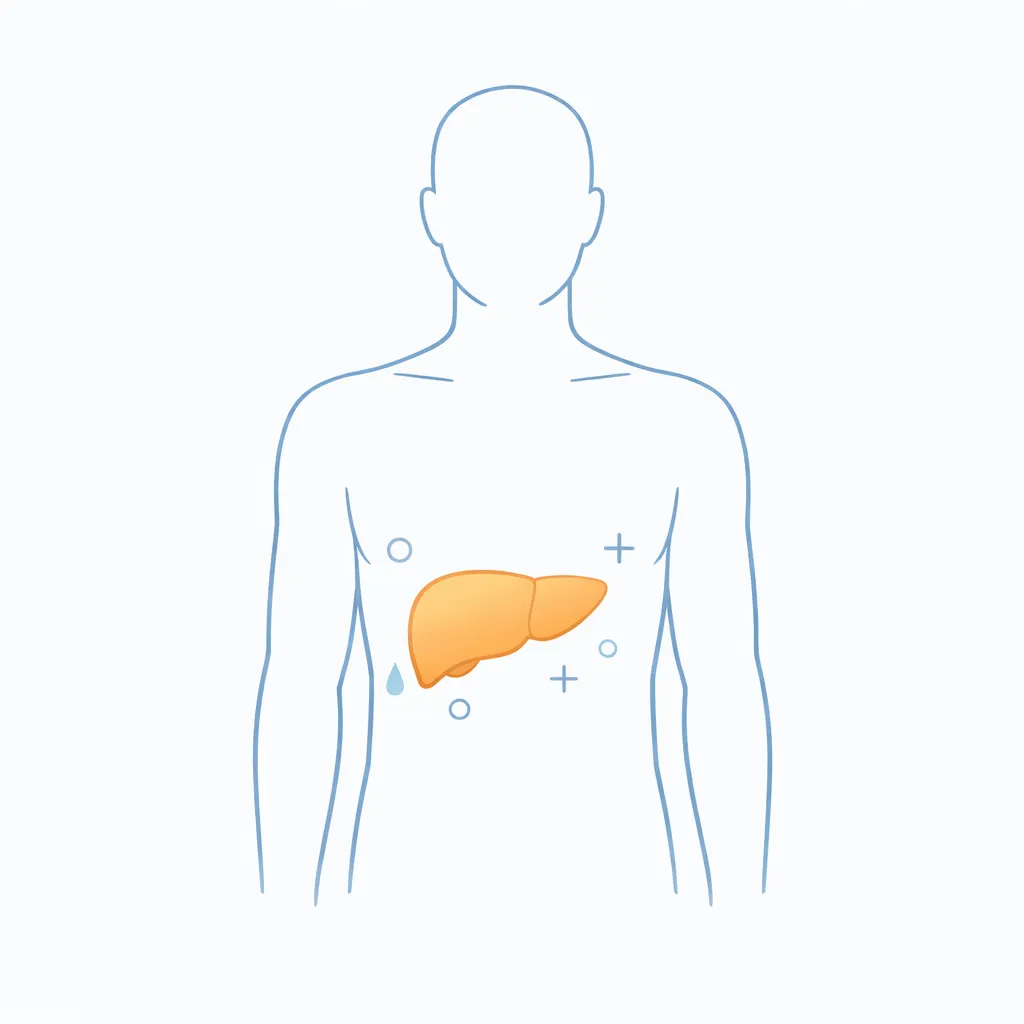
Hepatitis B
Hepatitis B is a viral infection of the liver caused by the hepatitis B virus (HBV). It is spread through contact with infected blood and body fluids, including unprotected sex, sharing needles and from mother to baby during birth.
Many adults clear the infection within a few months without treatment, developing lifelong immunity. However, infection acquired in early childhood is more likely to become chronic, potentially leading to cirrhosis and liver cancer over time.
A range of blood tests is used to assess hepatitis B status:
- Hepatitis B surface antigen (HBsAg) indicates active infection
- Hepatitis B surface antibody (anti-HBs) indicates immunity, either from vaccination or past infection
- Hepatitis B core antibody (anti-HBc) indicates past or current infection
Vaccination against hepatitis B is highly effective and is offered as part of the routine UK childhood immunisation programme.
Causes of Hepatitis B
Hepatitis B is caused by the hepatitis B virus (HBV). It is transmitted through contact with infected blood or body fluids.
Routes of transmission include:
- Unprotected sexual contact with an infected person
- Sharing needles, syringes or other injecting equipment
- Mother-to-child transmission during birth (vertical transmission)
- Needlestick injuries in healthcare settings
- Sharing razors, toothbrushes or other personal items contaminated with blood
Hepatitis B is not spread through casual contact, coughing, sneezing, sharing food or breastfeeding (unless nipples are cracked and bleeding). The risk of chronic infection is strongly age-dependent: around 90% of infected newborns develop chronic hepatitis B, compared to less than 5% of adults.
Tests that can help check this condition
 Learn more on the official NHS page .
Clinical review

Dr. Shahzaib Ahmad MBBS, BSc, MRCP, FRCA, FFICM
Clinical Supervisor - Vitall|GMC 7495062|Profile
Reviewed on 12/10/2026
Next review due 12/10/2027
Review focus: Blood biomarkers, laboratory testing methodology, and biochemical interpretation.
