
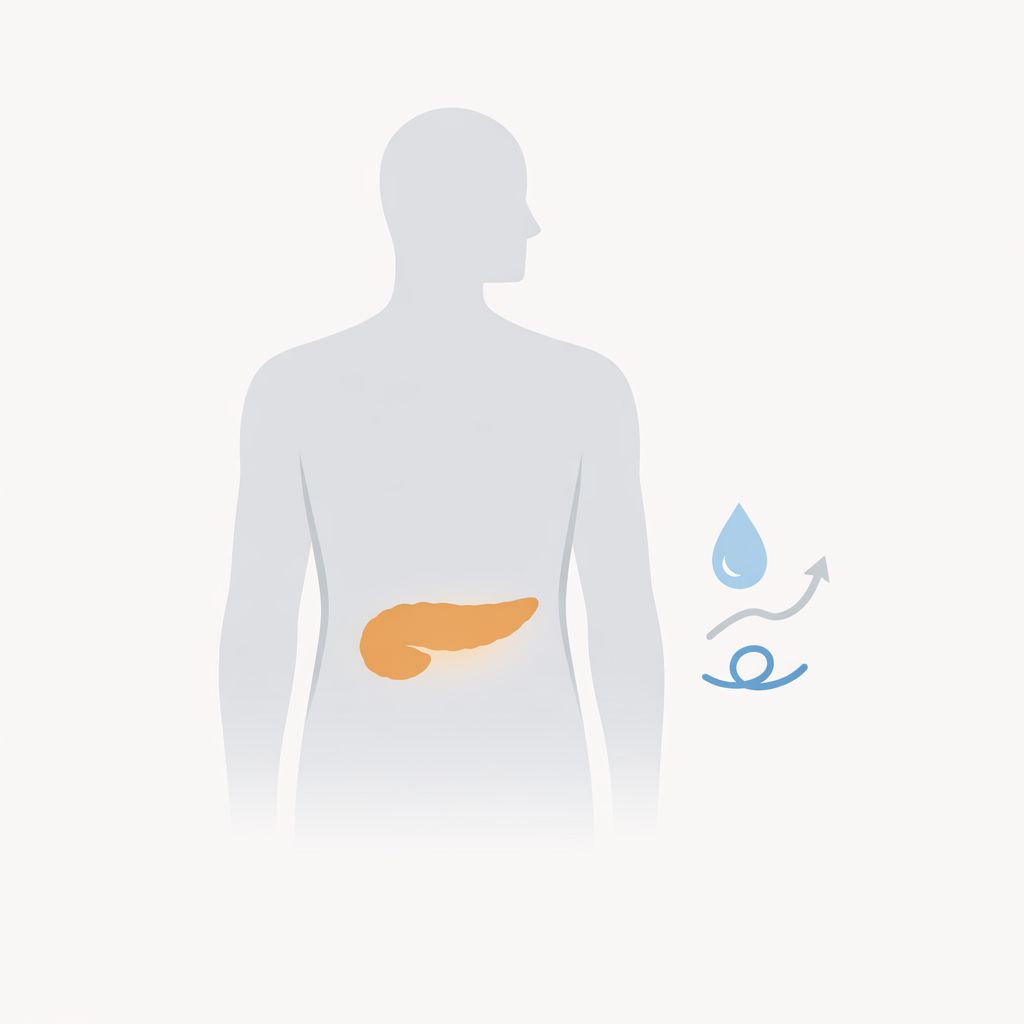
Type 2 diabetes
Type 2 diabetes is a condition in which the body does not produce enough insulin, or the body's cells do not respond properly to insulin. This leads to elevated blood glucose levels, which over time can damage blood vessels, nerves and organs.
It accounts for around 90% of all diabetes cases in the UK and is strongly linked to being overweight, physically inactive and having a family history of the condition. Type 2 diabetes is increasingly common and can develop at any age, though risk rises significantly after 40.
Symptoms may develop slowly and include:
- Increased thirst and frequent urination
- Persistent tiredness
- Blurred vision
- Slow healing of cuts and wounds
Glycated haemoglobin (HbA1c) measures average blood glucose over the preceding two to three months and is the standard test for diagnosing and monitoring type 2 diabetes. A fasting glucose test and HOMA-IR (a measure of insulin resistance) provide additional insight into how the body is processing glucose.
Causes of Type 2 diabetes
Type 2 diabetes develops when the body becomes resistant to the effects of insulin and the pancreas cannot produce enough insulin to compensate.
The main risk factors are:
- Being overweight or obese, particularly carrying excess weight around the waist. Abdominal fat is metabolically active and contributes directly to insulin resistance
- Physical inactivity, which reduces the muscles' ability to use glucose efficiently
- Family history, with a two to six times higher risk if a parent or sibling has type 2 diabetes
- Ethnicity, with people of South Asian, Black African, Black Caribbean and Chinese descent at higher risk
- Age, with risk increasing after 40 (or after 25 in South Asian populations)
- A history of gestational diabetes
- Polycystic ovary syndrome (PCOS)
Type 2 diabetes is often preventable. Modest weight loss (5 to 10% of body weight), regular physical activity and a balanced diet can significantly reduce risk in people with prediabetes.
Tests that can help check this condition
 Learn more on the official NHS page .
Clinical review

Dr. Shahzaib Ahmad MBBS, BSc, MRCP, FRCA, FFICM
Clinical Supervisor - Vitall|GMC 7495062|Profile
Reviewed on 12/10/2026
Next review due 12/10/2027
Review focus: Blood biomarkers, laboratory testing methodology, and biochemical interpretation.
