The Ultimate Anti-Inflammatory Lifestyle Guide: Diet, Supplements and Habits to Reduce Chronic Inflammation

Why Chronic Inflammation Matters
- Poor diet (high in processed foods, sugar, trans fats)
- Chronic stress
- Poor sleep
- Lack of physical activity
- Smoking and excessive alcohol
- Obesity or visceral fat (around the waistline)
Research shows that chronic inflammation is associated with increased levels of C-reactive protein (CRP), interleukin-6 (IL-6), and tumour necrosis factor-alpha (TNF-α) - all key markers that can be measured through blood tests (Ridker, P.M. et al. 2000).
Symptoms of Chronic Inflammation
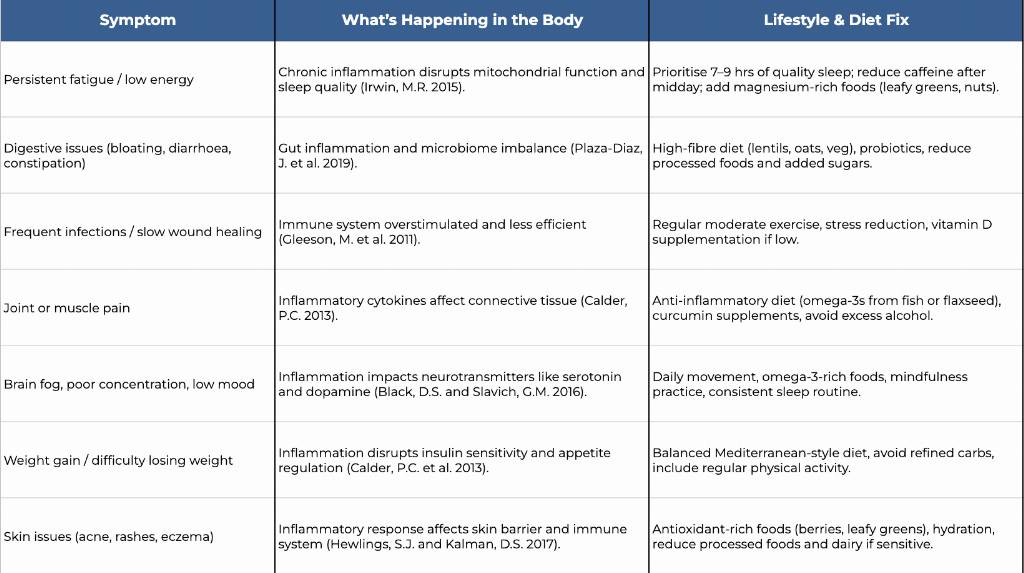
- Persistent fatigue or low energy (Irwin, M.R. 2015)
- Digestive issues such as bloating, diarrhoea, or constipation (Plaza-Diaz, J. et al. 2019)
- Frequent infections or slower healing wounds (Gleeson, M. et al. 2011)
- Ongoing joint or muscle pain not linked to injury (Calder, P.C. 2013)
- Brain fog, poor concentration, or low mood (Black, D.S. and Slavich, G.M. 2016)
- Unexplained weight gain or difficulty losing weight (Calder, P.C. et al. 2013)
- Skin issues such as acne, rashes, or eczema flare-ups (Hewlings, S.J. and Kalman, D.S. 2017)
Because these symptoms overlap with many other health issues, it’s easy to overlook chronic inflammation. That’s why blood testing can be such a powerful tool - it provides measurable insights into whether inflammation is present and to what extent.
Lifestyle Strategies to Lower Inflammation
Poor or fragmented sleep is one of the strongest drivers of systemic inflammation. Aim for 7–9 hours, with consistent bed and wake times proving just as important as duration. (Irwin, M.R. 2015) Think “circadian rhythm hygiene” rather than “just more sleep.”
Regular moderate exercise lowers CRP and improves immune regulation, with evidence showing it reduces inflammation-related disease risk (Gleeson, M. et al. 2011). Strength training and brisk walking are excellent options, though extreme overtraining may increase inflammatory markers.
Chronic cortisol spikes fuel inflammatory pathways. Practices such as mindfulness, yoga, breathwork (or even a long walk with a podcast) have been shown to reduce inflammatory signalling (Black, D.S. and Slavich, G.M. 2016)
Both smoking and excessive alcohol consumption are well-established drivers of oxidative stress and inflammation (Rehm, J. et al. 2010). UK guidelines recommend no more than 14 units of alcohol per week, spread over several days (NHS 2016).
The Anti-Inflammatory Diet
Foods to Include:
- Oily fish (salmon, sardines, mackerel): rich in omega-3s (EPA and DHA), which help regulate inflammatory prostaglandins (Calder, P.C. 2015).
- Olive oil: high in monounsaturated fats and polyphenols.
- Colourful fruit & veg: berries, leafy greens, cruciferous veg for antioxidants.
- Legumes & wholegrains: fibre supports gut health and reduces inflammation (Ma, Y. et al. 2008).
- Nuts & seeds: walnuts, almonds, flaxseeds provide healthy fats and micronutrients.
Foods to Avoid/Limit:
- Ultra-processed foods (ready meals, packaged snacks).
- Refined sugars and white carbs.
- Trans fats (often in fried fast foods).
Your Weekly Anti-Inflammatory Plan
- Daily:
- 30 minutes moderate activity
- 2–3 portions of fruit, 3–5 of vegetables
- Omega-3 or oily fish
- 7–9 hours quality sleep
- Weekly add-ons:
- 2–3 yoga/pilates/stretch sessions
- 1–2 social activities (laughter reduces cortisol)
- Meal prep to avoid ultra-processed “emergency foods”
- Digital detox evening (swap screens for relaxation)
Dietary Rhythm
- Overnight oats with flaxseed, chia, blueberries, and almond butter.
- Smoked salmon + avocado on wholegrain toast.
- Greek yoghurt with mixed berries and walnuts.
Lunches
- Mediterranean bowl: quinoa, roasted veg, chickpeas, tahini dressing.
- Sardine salad: leafy greens, olive oil, tomatoes, olives, feta.
- Lentil soup with side of wholegrain bread.
Dinners
- Grilled salmon, steamed broccoli, and sweet potato.
- Chickpea curry with spinach and brown rice.
- Roast chicken, olive oil roasted veg, and quinoa tabbouleh.
Snacks
- Handful of nuts (almonds, walnuts, Brazil nuts).
- Apple slices with peanut butter.
- Dark chocolate (70%+ cacao).
- Green tea instead of the third coffee.
Supplement-Based Support
Morning
- Omega-3 (EPA/DHA): Clinical trials show significant reductions in CRP and improved cardiovascular outcomes (Balk, E.M. et al. 2006).
- Vitamin D: Deficiency is common in the UK, especially during winter, and is linked to chronic inflammation and autoimmune disease (Arnson, Y., Itzhaky, D. and Amital, H. 2011).
- Probiotics: Specific strains support gut barrier integrity and immune regulation (Plaza-Diaz, J. et al. 2019).
- Curcumin (Turmeric Extract): Demonstrates potent anti-inflammatory effects by modulating NF-κB signalling (Hewlings, S.J. and Kalman, D.S. 2017).
- Magnesium: Low magnesium status is associated with increased inflammatory cytokines (Nielsen, F.H. 2018).
- Two kiwis: This is no joke. Kiwis contain antioxidants, polyphenols (caffeic acid and chlorogenic acid), and special anti-inflammatory proteins (kiwellin and kissper)- which all help manage inflammation in the human intestines. Bonus points if you eat the skin! (Richardson D.P. et al. 2018)
The Bottom Line
Get Yourself Tested With Vitall's Home Test Kits



Scientific review

Ben Starling MSc.
Co-founder & Lead Biochemist - Vitall|Profile
Reviewed on 29/09/2025
Next review due 29/09/2026
Review focus: Blood biomarkers, laboratory testing methodology, and biochemical interpretation.
More Articles in This Category
Similar Articles
View all articles ›Six Ways To Reduce Your Inflammation
Surge in Rare Inflammatory Condition: Unmasking the Threat of Esophageal Asthma
Does Stress Truly Accelerate Aging? Unveiling the Science Behind the Claim
Tips for Navigating University with a Chronic Illness
Why Nutritionists Are Obsessed with Flavonoids (You Should Be Too)
What They’re Not Telling You About Seed Oils
You’ve Had a Baby. Now Let’s Talk About What No One Told You (But Your Blood Will)
Why Your Omega-6:3 Ratio Matters More Than You Think (Especially in the UK)
Why You're Unable to Lose Weight (Despite Trying)
Wasted Wellness: How to Stop Paying Guesswork Tax on Your Health
References & Citations For The Ultimate Anti-Inflammatory Lifestyle Guide: Diet, Supplements and Habits to Reduce Chronic Inflammation
(Accessed: 4 September 2025).
Richardson, David P et al. “The nutritional and health attributes of kiwifruit: a review.” European journal of nutrition vol. 57,8 (2018): 2659-2676.
