



What Is The Cortisol Test For?
Cortisol is your body's main stress hormone, influencing your mood, motivation, and fear.
The production and release of cortisol follows a circadian rhythm, highest in the early morning with several pulses throughout the day to the lowest levels in the evening.
This is called a diurnal rhythm and is clearly linked to daily activity patterns.
But cortisol is also released in high quantities in response to stress, to help the body respond appropriately, so high levels are a good indicator of this.
Although cortisol has an important role in driving your body's “fight-or-flight” instinct during a crisis, it also plays numerous other important roles on a daily basis. For example:
- Managing the use of key nutrients like fats, proteins and carbohydrates
- Controlling your sleep patterns
- Regulating your blood pressure
- Reducing inflammation
- Increasing your blood sugar levels
- Boosting energy levels to handle stressful events
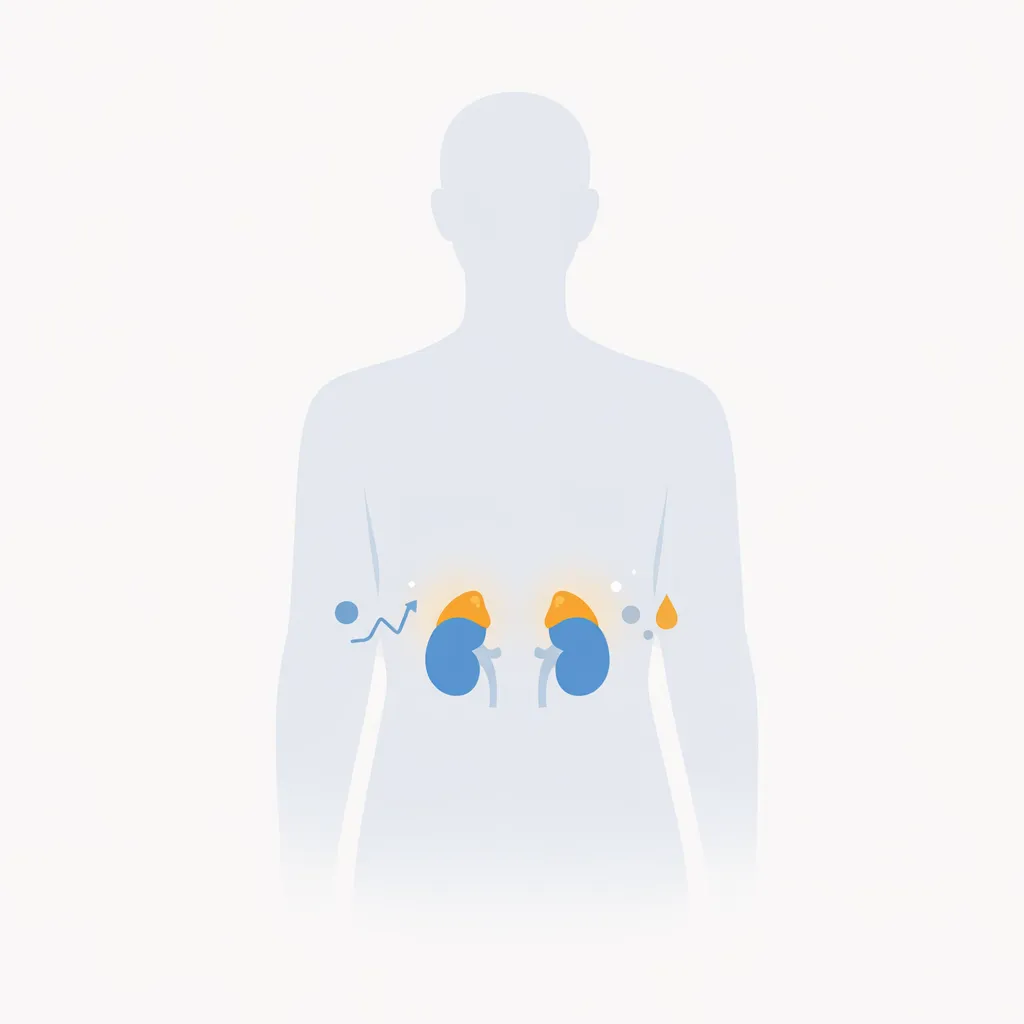
Cortisol is produced in your adrenal glands, small organs at the top of your kidneys. The rate of cortisol production and release is carefully controlled by three different parts of the body communicating together. These are the pituitary gland, adrenal gland and the hypothalamus.
Testing for cortisol levels is useful for understanding adrenal gland function, particularly if someone suffers from hypertension (high blood pressure) - as elevated levels of cortisol contribute to hypertension.



 Cortisol