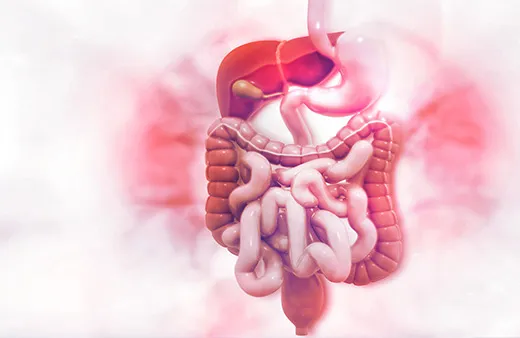
You might be eating a healthy, nutrient-rich diet, but without proper nutrient absorption, it doesn’t do much for your body. This concept is called bioavailability, which refers to the proportion of a nutrient that is absorbed and utilised by the body. If your gut can’t absorb nutrients effectively, much of the nutrition from even the most balanced diet will pass through your digestive system without being absorbed—meaning the effort you put into eating well is essentially wasted.
The Role of Vitamins and Minerals in Bioavailability
Certain vitamins and minerals play a critical role in enhancing or inhibiting the bioavailability of nutrients. For instance:
-
Vitamin D is essential for calcium absorption. Without enough vitamin D, your body struggles to absorb calcium, impacting bone health (Cashman, 2017).
-
Vitamin C improves the absorption of non-heme iron (the type of iron found in plant foods). It helps convert iron into a form that’s more easily absorbed by the body (Cook & Monsen, 1977).
-
Magnesium assists with the activation of vitamin D, which is key for calcium regulation. If magnesium is low, it can impact how effectively vitamin D works, and in turn, how well calcium is absorbed (Rosanoff et al., 2012).
However, not all vitamins and minerals enhance absorption. For instance, phytates in certain plant-based foods can bind to minerals like zinc and iron, making them less bioavailable (Hurrell, 2003). Similarly, high calcium intake may inhibit the absorption of iron when consumed together (Hallberg et al., 1991).
Factors Affecting Nutrient Bioavailability
Bioavailability isn’t just about which nutrients are present in food—it also depends on your gut health and other physiological factors. Here are some key factors that influence bioavailability:
-
Gut Health: Conditions like coeliac disease, Crohn’s disease, or irritable bowel syndrome (IBS) can cause inflammation and damage to the intestinal lining, reducing nutrient absorption. Even without a diagnosed condition, poor gut health (e.g., dysbiosis—an imbalance in gut bacteria) can negatively affect nutrient uptake.
-
Digestive Enzymes: These enzymes are essential for breaking down food into smaller molecules that can be absorbed. Insufficient enzyme production can lead to poor nutrient breakdown and absorption.
-
Age: As people age, stomach acid production often decreases. Stomach acid is crucial for the digestion and absorption of several nutrients, including vitamin B12, iron, and calcium.
-
Medications: Certain medications, like antacids, can interfere with nutrient absorption by altering stomach pH or interacting directly with nutrients.
Symptoms of Poor Bioavailability
Poor bioavailability can lead to a range of symptoms, many of which mimic the symptoms of nutrient deficiencies, such as:
-
Fatigue: Lack of proper iron, vitamin B12, or magnesium absorption can lead to persistent tiredness.
-
Digestive Issues: Bloating, diarrhoea, or constipation could indicate poor nutrient absorption.
-
Bone Weakness: If your body isn’t absorbing calcium or vitamin D properly, you may experience weakened bones or increased risk of fractures.
-
Frequent Illnesses: If vitamin C or zinc isn’t well absorbed, you may find yourself getting sick more often as your immune system becomes compromised.
How to Improve Nutrient Absorption
-
Take Care of Your Gut: Prioritise foods that promote gut health, like fermented foods (yoghurt, kefir, sauerkraut) which contain probiotics. Probiotics help maintain a healthy gut lining and improve the absorption of nutrients.
-
Pair Foods Strategically: Pair vitamin C-rich foods (like citrus fruits) with iron-rich foods (like leafy greens) to boost iron absorption. Avoid drinking tea or coffee with meals, as they contain tannins that can inhibit iron absorption (Temme & Van Hoydonck, 2002).
-
Cook Smart: Cooking can break down certain compounds that inhibit nutrient absorption. For example, cooking spinach reduces oxalate levels, improving iron absorption (Morris et al., 1984).
-
Supplement Wisely: If diet alone isn’t meeting your needs, supplementation can be beneficial. For example, vitamin D supplements can improve calcium absorption, especially during winter when sunlight exposure is limited.
-
Stay Hydrated: Proper hydration supports digestion and helps in the transportation of nutrients through the bloodstream.
-
Healthy Fats for Fat-Soluble Vitamins: Vitamins A, D, E, and K are fat-soluble, meaning they need dietary fat to be absorbed. Including a source of healthy fat, like olive oil or avocado, can boost the absorption of these vitamins (Borel et al., 2013).
Conclusion
Understanding bioavailability is key to making sure you’re getting the most out of your diet. Even if you’re eating nutrient-dense foods, poor gut health, inadequate pairing of nutrients, or other factors can prevent proper absorption, leading to deficiencies. By focusing on gut health, being strategic with food combinations, and considering supplementation, you can enhance the bioavailability of nutrients and maximise your overall health.