Why 2026 Is the Year of Bio-Status and Real Health Intelligence

If 2025 was about chasing longevity, 2026 will be about understanding your bio-status - because living longer means nothing without healthspan.
For years, healthcare has followed the same frustrating pattern.
You don’t feel quite right. You book a GP appointment. You wait. You’re told your results are “within range”. And you’re sent home with no real answers - just the sense that something still isn’t right.
That model is quietly breaking down.
2026 won’t be about extremes, optimisation cults, or trying to live forever.
It will be about clarity. Understanding what’s actually happening inside your body—and doing something about it—without needing to leave your kitchen.
Welcome to the era of health from home.
Healthcare Without the Waiting Room
Remote healthcare isn’t new. What’s changed is expectation.
The same people who expect groceries in 15 minutes now expect meaningful health answers without taking time off work, sitting in waiting rooms, or chasing follow-up appointments.
At-home diagnostics are right at the centre of this shift.
Finger-prick blood tests, saliva testing, and digital results delivered straight to your inbox are removing friction from healthcare and putting control back where it belongs - with you.
The pandemic accelerated this change, but what we’re seeing now is maturity. At-home testing is no longer a “nice add-on”. It’s becoming a foundational part of how people monitor, understand, and manage their health long-term (Morris et al., 2023).
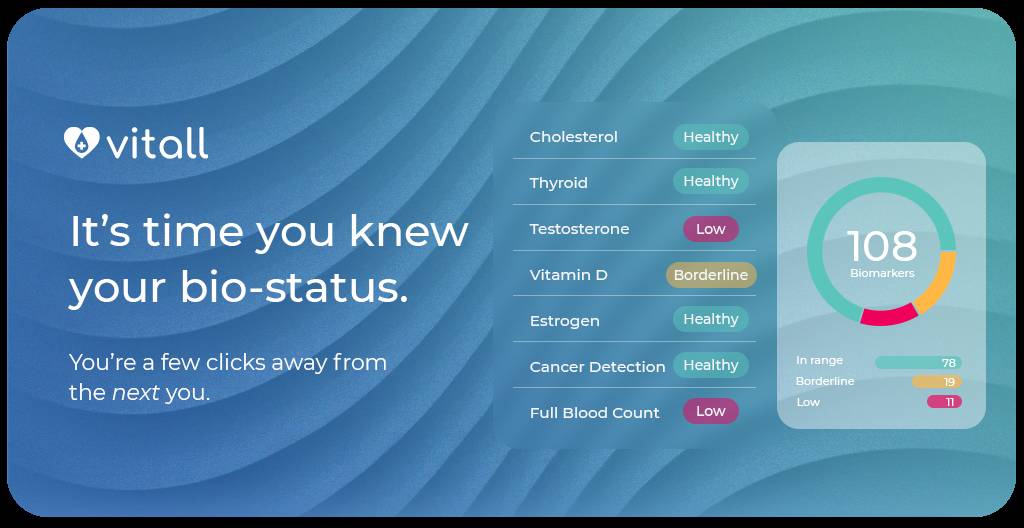
Testosterone: When Optimisation Overtakes Understanding
One of the clearest signals of this shift is the sharp rise in testosterone replacement therapy (TRT).
Prescribing rates have increased significantly over the past decade, despite the prevalence of true clinical testosterone deficiency remaining relatively stable (Layton et al., 2018; Handelsman, 2020).
In simple terms: more men are being treated than clinically need treatment.
Why? Because symptoms like fatigue, low mood, poor recovery, and reduced libido are no longer being brushed off as “just ageing”. Men want answers. But too often, they’re jumping straight to solutions before understanding their baseline biology.
Clinical guidelines repeatedly warn against treatment without robust biochemical confirmation (Bhasin et al., 2018). This is where at-home testing plays a crucial role - not as a shortcut to medication, but as a reality check.
2026 will reward informed decisions, not blind optimisation.
Measure first. Treat second. Always.
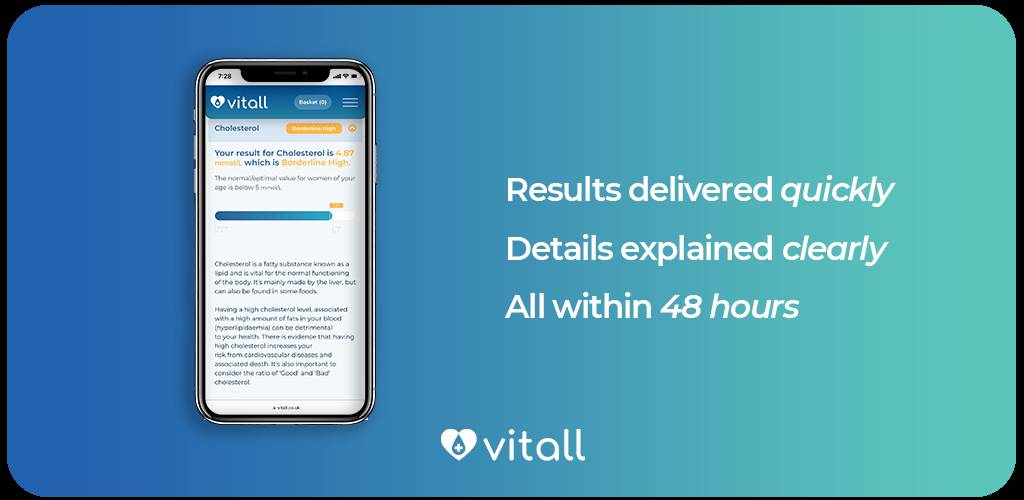
All Vitall tests provide clear results alongside contextualised explanations for every biomarker—so you understand what your numbers actually mean.
Women’s Health: Data That Finally Reflects Women
Let’s be honest. Modern medicine has largely been built on male physiology.
For decades, women were excluded from clinical trials due to hormonal “complexity”, and findings from male-dominant data sets were applied to everyone (Holdcroft, 2007). The result has been significant gaps in understanding female-specific symptoms, disease progression, and hormonal health.
That is changing.
There has been a marked increase in sex-specific research, particularly around hormones, cardiovascular disease, autoimmune conditions, and pain perception (NIH, 2022). In the UK, women’s health has now been formally recognised as a priority, with targeted funding and policy initiatives introduced to address long-standing gaps (Department of Health and Social Care, 2022).
In 2026, more women will have access to data that reflects their biology—at home, on their terms—rather than being told symptoms are “normal” or “just stress”.
Frankly, it’s overdue.
From Products to Ecosystems: Health Goes End-to-End
Another defining trend is the move from isolated products to connected health ecosystems.
Fitness brands, gyms, sports teams, supplement companies, and wellbeing platforms are expanding into diagnostics, data, and personalisation. The reason is simple: fragmented health solutions don’t work.
Training plans without biomarkers are guesswork.
Supplements without deficiency data are educated gambling.
Wellbeing apps without physiological context can only go so far.
In 2026, we’ll see more integrated approaches that connect blood testing with nutrition, training, recovery, and long-term health planning. The brands that win won’t be the loudest. They’ll be the ones that connect the dots.
This is exactly why we built Vitall Prevent—your personal health strategist, designed to help you understand what actually matters and what doesn’t.
Workplace Health: From Box-Ticking to Biological Insight
Corporate wellbeing is also undergoing a reckoning.
UK employers spend millions on wellbeing initiatives each year, yet absenteeism and presenteeism remain stubbornly high (ONS, 2023). The issue isn’t lack of intent—it’s lack of insight.
Generic benefits don’t solve biological problems.
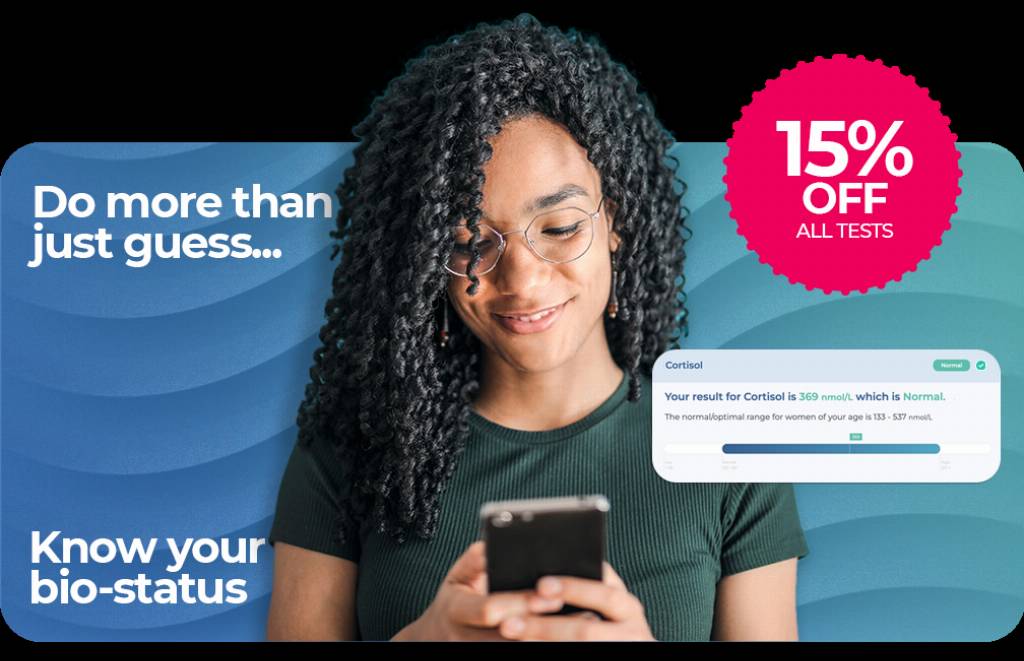
The next generation of workplace health will be data-led and personalised. Stress initiatives informed by cortisol trends. Nutrition support aligned with micronutrient status. Recovery strategies backed by real biomarkers.
Healthy employees aren’t created by yoga apps alone. They’re created by understanding what’s happening under the hood.
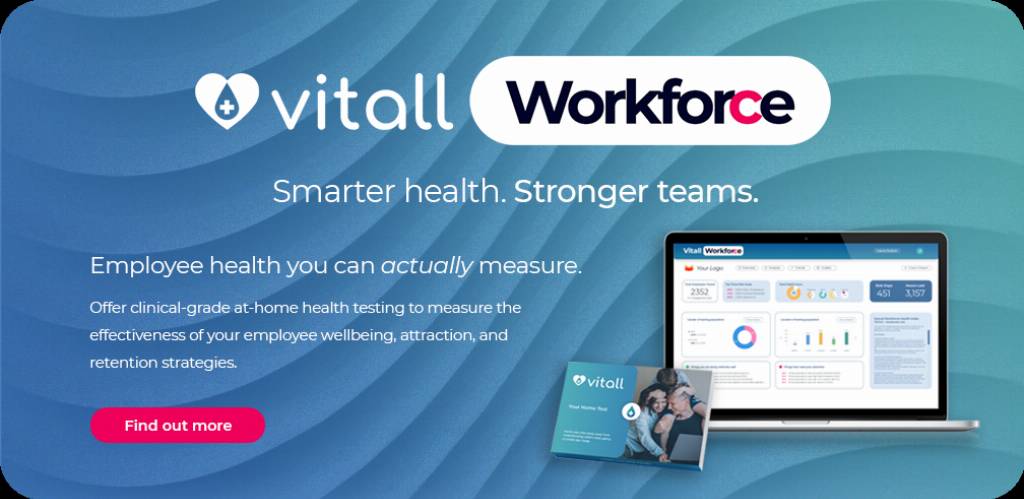
Vitall Workforce provides organisations with measurable insight into employee health, absenteeism, and long-term resilience.
AI Enters Healthcare: Helpful, Powerful… but Not the Final Answer
OpenAI have just launched (8 Jan 2026) ChatGPT Health - a move that made headlines across the healthcare and technology world.
According to OpenAI, the goal is to reduce barriers in healthcare: tackling issues like rising costs, limited access, overbooked doctors, and a lack of continuity in care. Fidji Simo, CEO of Applications at OpenAI, described it as a response to a system under strain, and in many ways, she’s right.
AI-powered health tools make information immediately accessible. No appointments. No waiting rooms. No gatekeeping. For millions of people, that alone feels revolutionary.
But here’s where nuance matters.
The Double-Edged Sword of AI Health Advice
Large language models (LLMs) like ChatGPT Health don’t “know” things in the way humans or clinicians do. They don’t understand truth or falsehood. They predict the most likely response based on patterns in data - not the most accurate or clinically appropriate one.
That creates two important challenges:
-
Accuracy isn’t guaranteed
LLMs are prone to hallucinations - confident-sounding answers that are incomplete, misleading, or simply wrong. -
People tend to trust the first answer implicitly
For many users, ChatGPT’s first response is taken as definitive. Verbatim. Final. And that trust can be misplaced - especially when it comes to health.
Even OpenAI is explicit about this. In its own terms of service, ChatGPT is “not intended for use in the diagnosis or treatment of any health condition.”
That’s not a flaw. It’s an honest limitation.
Where AI Helps - and Where It Must Stop
AI is excellent at:
-
Explaining concepts
-
Summarising research
-
Helping people ask better questions
-
Making health information more approachable
What it cannot do reliably is:
-
Confirm what is happening inside your body
-
Diagnose conditions
-
Replace clinical testing or professional judgement
This is why AI health tools should be seen as a starting point, not a conclusion.
“Most people don’t want extremes, they just want to understand what’s going on in their body. If AI helps people ask better questions, that’s a win. But real health decisions should always be backed by testing and guided by trained professionals. Knowledge leads to healthier habits, and healthier habits are how we shift from reactive healthcare to prevention.”
Dr Kate Bishop, Chief Scientific Officer @ Vitall
Why Testing Matters More Than Ever in the Age of AI
As AI makes healthcare information more accessible, biological confirmation becomes more important - not less.
If ChatGPT suggests your fatigue could be related to iron, cortisol, thyroid function, or blood sugar, the next step isn’t to guess or self-treat. It’s to test.
Blood testing turns AI-generated possibilities into evidence:
-
It confirms or rules out hypotheses
-
It removes assumption
-
It provides objective context
And crucially, it creates a clear pathway to the final and most important step.
AI + Testing + Real Clinicians: The Future That Actually Works
The future of healthcare isn’t AI instead of clinicians.
It’s AI plus testing plus trained professionals.
AI can help you understand.
Testing can show you what’s real.
Clinicians can interpret, advise, and treat appropriately.
Used this way, tools like ChatGPT Health become powerful allies - helping people arrive at appointments better informed, with real data in hand, rather than replacing professional care entirely.
That’s not anti-technology.
That’s responsible progress.
And in 2026, as health becomes more digital, more accessible, and more conversational, the role of objective health testing will be what keeps the system grounded in reality.
Because information is helpful.
But evidence is essential.
2026: The Year of Bio-Status
If 2025 was the year of the biohacker, 2026 will be the year of the bio-aware.
Not people chasing extremes.
Not optimisation for optimisation’s sake.
But people who want to understand where small, meaningful improvements can be made.
This is the year people stop guessing.
Before buying supplements. Before blaming themselves for fatigue or low mood. Before assuming stress is “just life”. People will want certainty.
Bio-status is about context.
Where you are now. What’s influencing it. And what actually needs attention.
Health in 2026 won’t be louder.
It will be smarter. Quieter. More precise.
And increasingly, it will start at home.
Frequently Asked Questions
What does “health from home” mean?
Health from home refers to using at-home diagnostic tests - such as finger-prick blood tests and saliva tests - to understand your health without visiting a GP or clinic.
What is the difference between lifespan and healthspan?
Lifespan is how long you live. Healthspan is how long you live in good physical and mental health. Healthspan focuses on energy, mobility, and independence - not just age.
Can you really test your health from home?
Yes. Many key health markers - such as hormones, nutrients, cholesterol, inflammation, and blood sugar - can be accurately measured using at-home blood tests processed by accredited laboratories.
Are supplements necessary for good health?
Only if you have a confirmed deficiency. Taking supplements without testing is often ineffective and can occasionally be dangerous. Measuring nutrient levels first helps you supplement only what your body actually needs.
Is testosterone replacement therapy always necessary?
No. Many symptoms associated with low testosterone can have multiple causes. Testing your hormone levels first helps determine whether treatment is appropriate or if lifestyle and nutritional changes are enough.
How often should I test my health markers?
For most people, testing every 3–6 months provides a useful baseline and allows you to track meaningful changes over time.
Who should consider at-home health testing?
Anyone experiencing unexplained fatigue, stress, low mood, weight changes, hormonal symptoms - or anyone who wants to take a proactive, preventative approach to their health.
Get Yourself Tested With Vitall's Home Test Kits





Scientific review

Ben Starling MSc.
Co-founder & Lead Biochemist - Vitall|Profile
Reviewed on 08/01/2026
Next review due 08/01/2027
Review focus: Blood biomarkers, laboratory testing methodology, and biochemical interpretation.
More Articles in These Categories
Similar Articles
View all articles ›How Can I Keep My Liver Healthy?
The Importance of a Health MOT
The Importance of Doing Regular Check Ups
Benefits Of Having General Health Check-Ups
Preparing For A General Health Check-Up: What to Expect?
Mastering Magnesium: Balance Your Diet for Better Health
Revolutionary Type 1 Diabetes Risk Screening Study Begins Participant Enrollment for the First Time Globally
Is Your Food Allergy Raising Your Heart Disease Death Risk? New Study Reveals Startling Connection
When Your Physician Recommends a Medical Scan: Understanding the Advantages and Necessary Precautions
Widespread Support for 'Patient Passports': A Revolutionary Approach to Sharing Medical Records with Doctors
References & Citations For Why 2026 Is the Year of Bio-Status and Real Health Intelligence
- Bhasin, S. et al. (2018) ‘Testosterone therapy in men with hypogonadism: An Endocrine Society clinical practice guideline’, The Journal of Clinical Endocrinology & Metabolism, 103(5), pp. 1715–1744.
- Department of Health and Social Care (2022) Women’s Health Strategy for England. London: DHSC.
- Handelsman, D.J. (2020) ‘Testosterone therapy: The evolving story’, Medical Journal of Australia, 213(4), pp. 160–161.
- Holdcroft, A. (2007) ‘Gender bias in research: how does it affect evidence based medicine?’, Journal of the Royal Society of Medicine, 100(1), pp. 2–3.
- Layton, J.B. et al. (2018) ‘Testosterone lab testing and initiation in the United Kingdom and the United States, 2000 to 2011’, The Journal of Clinical Endocrinology & Metabolism, 99(3), pp. 835–842.
- Morris, C. et al. (2023) ‘The rise of remote diagnostics and at-home testing in post-pandemic healthcare’, BMJ Innovations, 9(2), pp. 78–84.
- National Institutes of Health (NIH) (2022) Sex as a Biological Variable (SABV) Policy. Bethesda, MD: NIH.
- Office for National Statistics (ONS) (2023) Sickness absence in the UK labour market. London: ONS.
