Take Control Of Your Health | Home Blood Testing Services
Review 4.8 / 55 Stars! Private STI Tests & Health Checks Online Reviews
Login ›Basket (0)
Basket (0)
Find Your Test
Womens
Mens
All Tests
Conditions
Help
All Biomarkers ›

Lactate Dehydrogenase Testing (LDH)

All you need to know about testing Lactate Dehydrogenase levels with a laboratory test

  • What is the Lactate Dehydrogenase test for?
  • What if Lactate Dehydrogenase results are high?
  • What if Lactate Dehydrogenase results are low?
  • Are online LDH test kits reliable?
  • How safe is it to collect my own sample using the finger-prick method?
  • How efficient is the LDH test in diagnosing conditions?
  • What should I do if my test results are negative (normal)?
  • What should I do if my test results are positive (elevated)?
  • What do the test results mean?
  • How do I use the LDH test kit?
  • How can symptoms be related to the test?
  • What conditions can the Lactate Dehydrogenase test help diagnose?
  • What is the Lactate Dehydrogenase test?

What Is The Lactate Dehydrogenase Test For?

Lactate dehydrogenase is an enzyme that has many functions. Blood levels are tested to look for red cell breakdown, muscle breakdown, liver failure or cellular poisoning. Its a marker of pathology and not a diagnostic test.
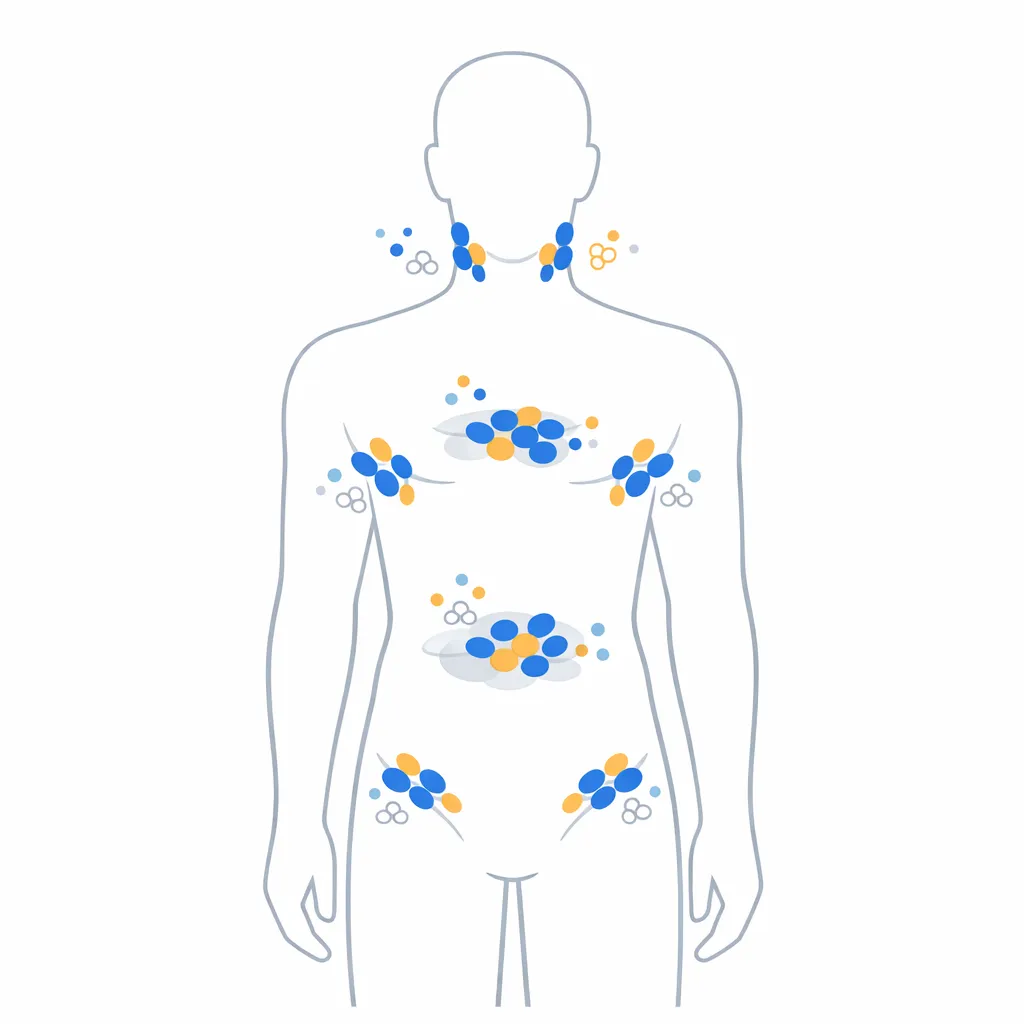

Conditions linked to Lactate Dehydrogenase

Lymphoma

Lymphoma

Non-Hodgkin lymphoma is a blood cancer that develops in the lymphatic system when lymphocytes grow and multiply abnormally.

How To Test Lactate Dehydrogenase

By buying a laboratory test kit with professional nurse or clinic collection, you can accurately measure Lactate Dehydrogenase for total reassurance.

Professional analysis in an accredited laboratory ensures rapid result delivery.

Tests which include a Lactate Dehydrogenase test:

What if Lactate Dehydrogenase Results Are High?

A high level can indicate an underlying problem, with many possible causes. These include disorders affecting muscle cells, red blood cells, liver failure, or poisoning (such as cyanide). Levels can also be higher after exercise or during physiological stress, including acute illness.

This result is often interpreted alongside symptoms and other blood test results, and it is commonly reviewed further to clarify the cause.

What if Lactate Dehydrogenase Results Are Low?

Low levels are usually not a concern, as blood levels are normally low in good health.

This finding is generally not treated as clinically significant.

Who Should Take This Test?

Measure your Lactate Dehydrogenase levels and with a nurse or clinic test kit

You get the convenient testing with the reassurance of professional clinical analysis. Your results are delivered quickly & securely online.

This Test is advised if you:

  • want the convenience of home testing without waiting for a GP appointment;
  • need a high quality, clinically accredited test done in a professional clinical laboratory.

Are online LDH test kits reliable?

Yes, online LDH test kits from Vitall are reliable. They provide the necessary tools to collect a blood sample, which is then returned to a UKAS accredited lab for professional analysis by qualified medical professionals, ensuring accuracy in the diagnostic process.

How safe is it to collect my own sample using the finger-prick method?

Self-collecting your sample using the finger-prick method is typically a straightforward and safe procedure when done correctly. The Vitall test kit comes with comprehensive instructions and pre-packaged sterilised equipment to ensure the process can be carried out as safely as possible.

How efficient is the LDH test in diagnosing conditions?

The LDH test is a useful tool in indicating potential tissue damage, however, it doesn't specify the exact area of the problem. Therefore, while it can aid in diagnosing conditions, further testing will usually be necessary to pinpoint the exact issue.

What should I do if my test results are negative (normal)?

If your test results are normal, it means your LDH levels are within the expected range and there's no indication of tissue damage based on this particular test. However, if you're still experiencing symptoms, do contact a health professional for further advice.

What should I do if my test results are positive (elevated)?

If your test results show elevated LDH levels, indicating potential tissue damage, it's recommended that you consult with your GP to further investigate. They may recommend additional tests or treatment options based on your specific symptoms and medical history.

What do the test results mean?

Your test results will show either normal or elevated levels of LDH. Normal levels mean your tissues are functioning properly, whereas elevated levels indicate some form of tissue damage or disease. However, the test will not specify the tissue affected; for an accurate diagnosis, additional tests may be needed.

How do I use the LDH test kit?

The LDH test kit from Vitall is a self-collection kit using a finger-prick method. Following the instructions provided with the kit, you're required to take a small blood sample, using the finger-prick device included, then secure it in the protective packaging provided and return it to a UKAS accredited lab for analysis.

How can symptoms be related to the test?

If you are experiencing symptoms such as fatigue, shortness of breath, nausea, or abdominal pain, these may potentially indicate an issue with one of your body's tissues, that can be detected by elevated LDH levels. The test helps to identify tissue damage, hence assisting in the diagnosis of the underlying condition causing these symptoms.

What conditions can the Lactate Dehydrogenase test help diagnose?

The LDH test can aid in diagnosing various conditions which include heart diseases, lung diseases, liver diseases, muscle disorders, and some types of cancer. However, the test doesn't specify which tissue is damaged, hence further tests may be required for accurate diagnosis.

What is the Lactate Dehydrogenase test?

The Lactate Dehydrogenase (LDH) test is a diagnostic tool used to measure the amount of LDH, an enzyme found in many body tissues, in your blood. Elevated levels of LDH may indicate tissue damage or disease such as liver disease, a heart attack, or certain types of cancer.
Vitall AI Chat