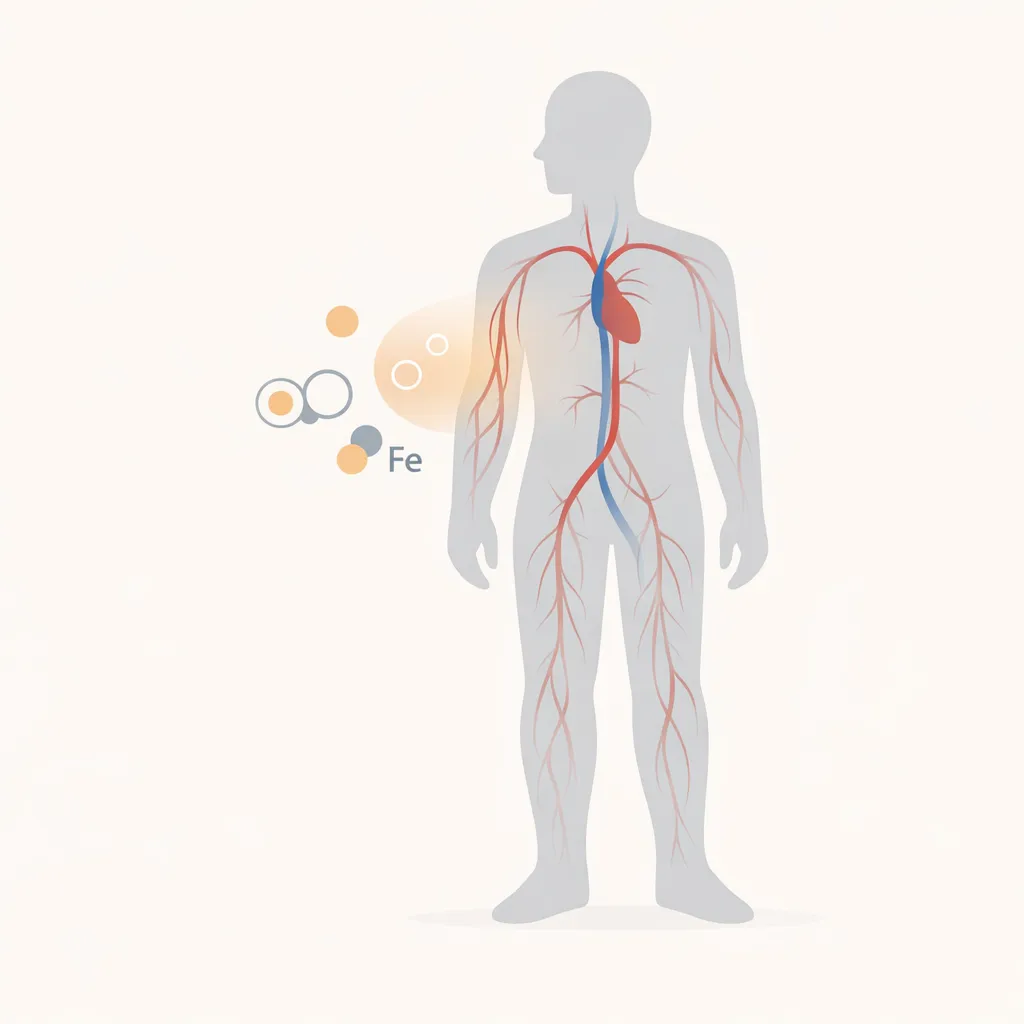



Above-normal haemoglobin levels most commonly occur with dehydration, but can also be seen with many other conditions, including smoking.
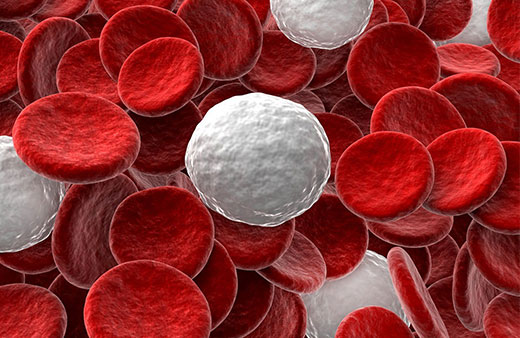
Higher haemoglobin can also occur when the bone marrow produces too many red blood cells, a condition known as polycythaemia.
Polycythaemia makes the blood thicker, so it is less able to travel to the body’s tissues. When severe, it can be linked to blood clots in the heart, brain, lungs, or legs, which can be very serious. This finding is often prioritised for early review by a medical professional.
Haematocrit and red cell count results in the same test panel are commonly looked at alongside haemoglobin, as polycythaemia is likely to increase their levels as well.