



Take Control Of Your Health | Home Blood Testing Services
Review 4.8 / 55 Stars! Private STI Tests &ampl; Health Checks Online Reviews
Login ›Basket (0)
Basket (0)
Find Your Test
Womens
Mens
All Tests
Conditions
Help
All Biomarkers ›

Erythrocyte Sedimentation Rate Testing (ESR)

All you need to know about testing Erythrocyte Sedimentation Rate levels with a laboratory test

  • What is the Erythrocyte Sedimentation Rate test for?
  • What if Erythrocyte Sedimentation Rate results are high?
  • What if Erythrocyte Sedimentation Rate results are low?
  • Are there any risks associated with taking an ESR test?
  • Are there any special precautions to be taken before performing an ESR test?
  • What are the limitations of the ESR test?
  • Can I take the ESR test if I am pregnant?
  • What should I do if the results are negative?
  • What should I do if the results are positive?
  • How do I interpret the results of the ESR test?
  • How do I use the ESR test kit?
  • How does the Erythrocyte Sedimentation Rate test work?
  • What symptoms can the ESR test help diagnose?
  • What is the Erythrocyte Sedimentation Rate (ESR) test for?

Erythrocyte Sedimentation Rate Testing UK Statistics 2026

Icon For Erythrocyte Sedimentation Rate
Human female body
Human male body
Human female body
Human male body
Human female body
Human male body
Human female body
Human male body
Human female body
Human male body
Human female body
Human male body
Human female body
Human male body
Human female body
Human male body
Human female body
Human male body
Human female body
Human male body
Human female body
Human male body
Human female body
Human male body
Human female body
Human male body
Human female body
Human male body
Human female body
Human male body
Human female body
Human male body
Human female body
Human male body
Human female body
Human male body
Human female body
Human male body
Human female body
Human male body
Human female body
Human male body
Human female body
Human male body
Human female body
Human male body
Human female body
Human male body
Human female body
Human male body
Human female body
Human male body
Human female body
Human male body
Human female body
Human male body
Human female body
Human male body
Human female body
Human male body
Human female body
Human male body
Human female body
Human male body
Human female body
Human male body
Human female body
Human male body
Human female body
Human male body
Human female body
Human male body
Human female body
Human male body
Human female body
Human male body
Human female body
Human male body
Human female body
Human male body
Human female body
Human male body
Human female body
Human male body
Human female body
Human male body
Human female body
Human male body
Human female body
Human male body
Human female body
Human male body
Human female body
Human male body
Human female body
Human male body
Human female body
Human male body
Human female body
Human male body

5.5% of people tested have Erythrocyte Sedimentation Rate levels which are too high.

4.9

Low
< 1

Normal
1 - 20

High
20 +

The average Erythrocyte Sedimentation Rate result is 4.9 mm/hr
Note what is normal for you may differ for your age and sex.

Are you in the 94.5% with normal results?

What Is The Erythrocyte Sedimentation Rate Test For?

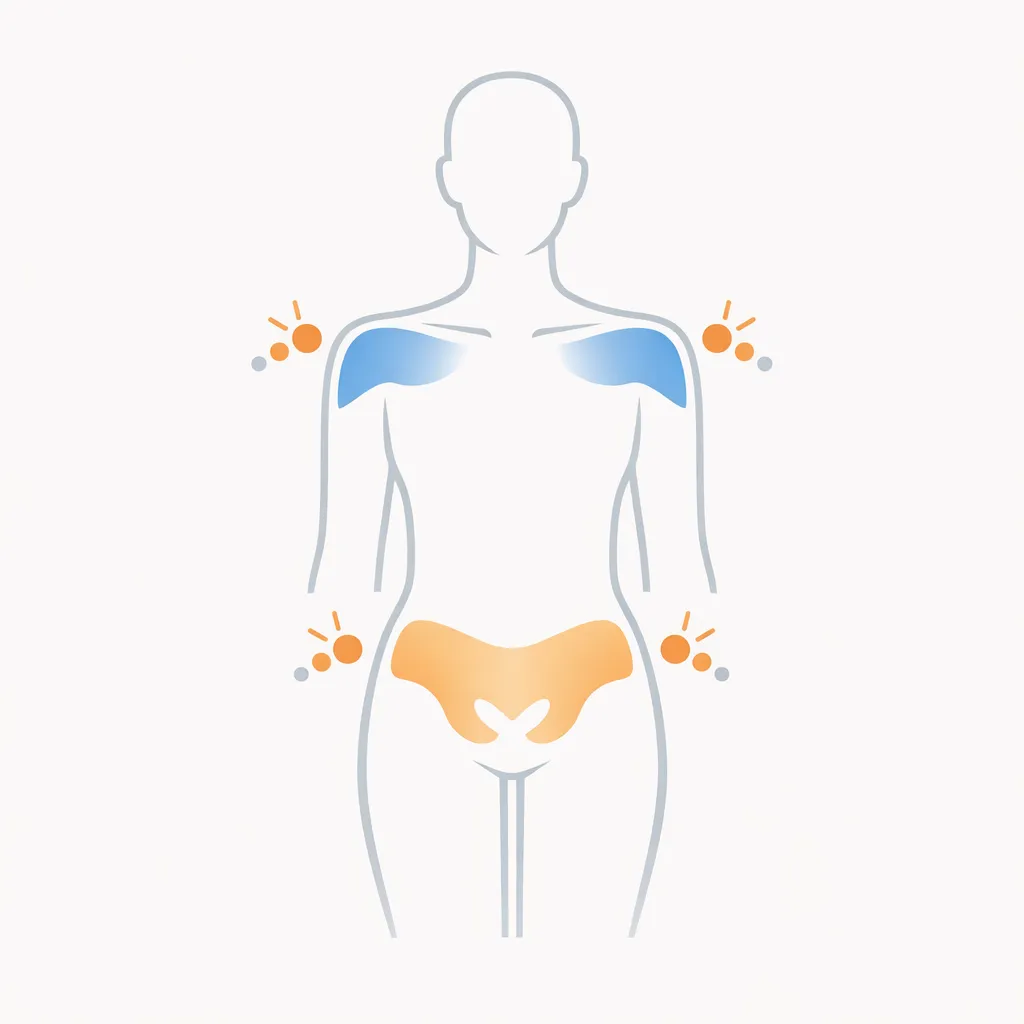
Erythrocyte Sedimentation Rate (ESR) reveals the inflammatory activity in your body.

This test helps gauge unexplained fever, certain types of arthritis and symptoms that affect your muscles.

ESR is non-specific to a particular condition so is used to indicate the overall level of your body’s inflammatory response. Note that you can still have an underlying problem even with a  normal result.
How To Test Erythrocyte Sedimentation Rate

By buying a laboratory test kit with professional nurse or clinic collection, you can accurately measure Erythrocyte Sedimentation Rate for total reassurance.

Professional analysis in an accredited laboratory ensures rapid result delivery.

Tests which include a Erythrocyte Sedimentation Rate test:

What if Erythrocyte Sedimentation Rate Results Are High?

Moderately increased ESR can be caused by many conditions. It is commonly linked to inflammation or anaemia, and can also occur with pregnancy, infection, older age, or kidney failure, with older age being the most common reason.

Very high ESR levels usually have an obvious cause, for example an infection. Follow-up blood tests and further clinical investigation are often used to clarify the cause.

Women typically have a slightly higher ESR than men. Pregnancy and menstruation can also raise ESR temporarily.

Many prescription drugs can increase ESR. A high ESR is not specific to one problem, so the reason for the test is important when interpreting what the result may mean. Repeat testing is sometimes used to see whether an elevated ESR settles over time, and ESR can be used to monitor recovery from an illness or response to therapy such as antibiotics.

What if Erythrocyte Sedimentation Rate Results Are Low?

Low ESR blood levels are not usually a concern. However, low ESR can occur when the body makes too many red blood cells (polycythaemia) or too many white blood cells (leucocytosis). This result is sometimes reviewed further to clarify the cause.

A full blood count (FBC) is commonly looked at alongside a low ESR to assess red blood cell and white blood cell levels, which can indicate bone marrow problems.

Who Should Take This Test?

Measure your Erythrocyte Sedimentation Rate levels and with a nurse or clinic test kit

You get the convenient testing with the reassurance of professional clinical analysis. Your results are delivered quickly & securely online.

This Test is advised if you:

  • want the convenience of home testing without waiting for a GP appointment;
  • need a high quality, clinically accredited test done in a professional clinical laboratory.

Are there any risks associated with taking an ESR test?

The ESR test is very safe. There's only a small risk of minor bleeding, bruising, or infection at the puncture site on your finger. If you're uncomfortable with any aspect of the sample collection process, please seek advice from a healthcare provider.

Are there any special precautions to be taken before performing an ESR test?

There are no special precautions you need to take before using the ESR test kit. Just follow the instructions provided with the kit. However, if you're taking certain medications, they could affect your results. It's a good idea to discuss this with your healthcare provider.

What are the limitations of the ESR test?

The ESR test cannot diagnose any specific disorders. It is a general test used to detect and monitor inflammation in the body. Conditions affecting red blood cells, like anaemia or kidney disease, may also affect the results.

Can I take the ESR test if I am pregnant?

Yes, you can take an ESR test during pregnancy. Inflammation levels can naturally be higher in pregnancy, which may affect the results. Always inform your healthcare provider of your health conditions.

What should I do if the results are negative?

A negative or normal result means the speed at which your red blood cells fall is within the normal range. However, a normal result does not rule out disease. Always consult with a healthcare provider to fully understand your symptoms and condition.

What should I do if the results are positive?

If the results show a higher than normal ESR, it may suggest an inflammatory condition. At this point, it is important to consult with a healthcare provider to discuss the results and plan next steps.

How do I interpret the results of the ESR test?

A higher than normal ESR might indicate a systemic disease, such as an infection, autoimmune disease, or cancer. However, it is only one piece of data and it should be interpreted alongside other tests and healthcare professional consultation.

How do I use the ESR test kit?

Vitall's ESR test kit is designed for easy home use. You simply use the finger-prick device provided to collect a small sample of blood, which is then placed in a prepaid envelope and securely sent to a UKAS accredited lab for analysis by medical professionals.

How does the Erythrocyte Sedimentation Rate test work?

The ESR test measures how quickly red blood cells, or erythrocytes, settle at the bottom of a test tube. The more quickly the cells fall, the higher the ESR. Inflammation can cause the cells to fall more quickly.

What symptoms can the ESR test help diagnose?

The ESR test can help diagnose symptoms that may indicate inflammation in the body. These symptoms can include fatigue, weight loss, high fever, muscle pain, and others. It's especially used in diagnosing conditions like rheumatoid arthritis and systemic lupus erythematosus.

What is the Erythrocyte Sedimentation Rate (ESR) test for?

The ESR test measures the rate at which red blood cells sediment in one hour. It is a common haematology test that can indicate if there is inflammation in your body. It does not diagnose a specific condition, but it can suggest that you may have a condition that causes inflammation.

Useful links

About VitallContact UsHelp CentreClinic LocationsBiomarkersHealth BlogPartnershipsEmployee HealthOur Terms
Facebook Icon for VitallInstagram Icon for VitallLinkedIn Icon for VitallPinterest Icon for VitallTiktok Icon for Vitall

Join our mailing list for 10% off!

Popular tests

Female FertilityFemale Total Health CheckFull Blood CountMale Total Health CheckTestosterone & EstrogenVitamins & Minerals
All Tests Are CE marked, IVDAll Tests Are CE marked, IVDUKAS Quality Management  Expert Blood Test Analysis in an Accredited Laboratory

All Testing Is Conducted In UKAS Accredited Laboratories.

© 2026 Healthy Human Labs LTD, 71 - 75 Shelton Street, Covent Garden, London, WC2H 9JQ.

Vitall AI Chat